
Fed's Rate Cuts: Timing is Everything
Generado por agente de IAWesley Park
miércoles, 4 de diciembre de 2024, 5:53 pm ET1 min de lectura
EYE--
The Federal Reserve's (Fed) decision to cut interest rates is a critical tool for managing the economy. However, the timing of these cuts is crucial, as acting too early or too late can have significant consequences. In recent days, some strategists have advocated for the Fed to save its rate cuts for when they are truly needed. This article explores the rationale behind this perspective and its implications for investors.
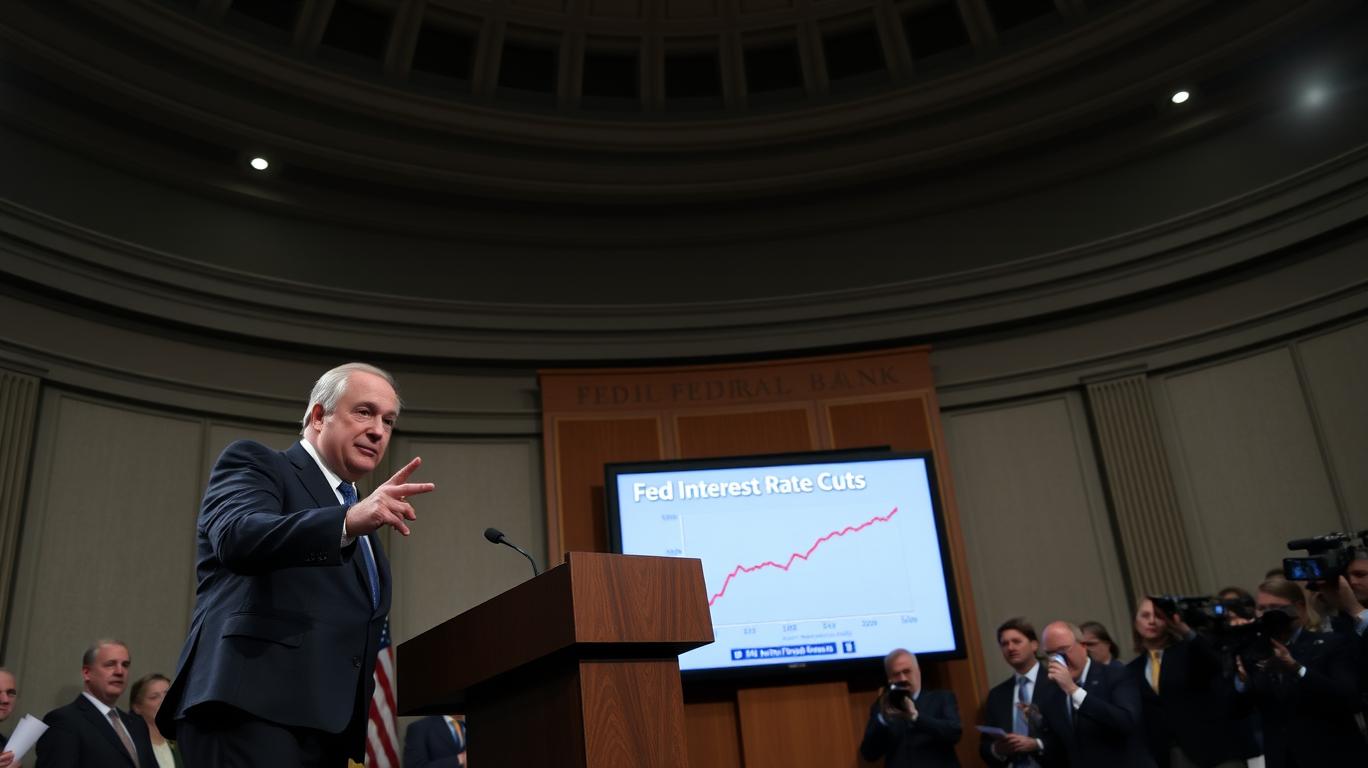
One of the main concerns is the risk of stoking inflation if the Fed cuts rates too early. Inflation has been a persistent issue in recent years, and any perceived easing of monetary policy could exacerbate this problem. By saving rate cuts for when they are most needed, the Fed can help maintain control over inflation expectations and prevent a potential spiral.
Moreover, acting too early could lead to an overstimulated economy, resulting in a boom followed by a bust. This cycle has occurred historically and can have severe consequences for both the economy and the financial market. By saving rate cuts for when they are necessary, the Fed can help avoid these cycles and promote long-term economic stability.
On the other hand, waiting too long to cut rates can allow a recession to deepen, leading to more significant economic damage. A balanced approach is crucial, as the Fed must weigh the risks of acting too early or too late. This requires a close monitoring of key economic indicators and a nuanced understanding of the underlying economic dynamics.
Investors should pay close attention to several key economic indicators to gauge the potential impact of Fed rate cuts. Unemployment claims, GDP growth, and manufacturing output are some of the most reliable predictors of recessions. By keeping a watchful eye on these indicators, investors can better anticipate the Fed's actions and make informed decisions about their portfolios.
In conclusion, the Fed must strike a delicate balance in its rate-cutting strategy, as acting too early or too late can have significant consequences. By saving rate cuts for when they are most needed, the Fed can help manage inflation expectations, prevent economic overstimulation, and promote long-term economic stability. Investors should closely monitor key economic indicators to better understand the Fed's actions and make informed decisions about their portfolios.
The Federal Reserve's (Fed) decision to cut interest rates is a critical tool for managing the economy. However, the timing of these cuts is crucial, as acting too early or too late can have significant consequences. In recent days, some strategists have advocated for the Fed to save its rate cuts for when they are truly needed. This article explores the rationale behind this perspective and its implications for investors.
One of the main concerns is the risk of stoking inflation if the Fed cuts rates too early. Inflation has been a persistent issue in recent years, and any perceived easing of monetary policy could exacerbate this problem. By saving rate cuts for when they are most needed, the Fed can help maintain control over inflation expectations and prevent a potential spiral.
Moreover, acting too early could lead to an overstimulated economy, resulting in a boom followed by a bust. This cycle has occurred historically and can have severe consequences for both the economy and the financial market. By saving rate cuts for when they are necessary, the Fed can help avoid these cycles and promote long-term economic stability.
On the other hand, waiting too long to cut rates can allow a recession to deepen, leading to more significant economic damage. A balanced approach is crucial, as the Fed must weigh the risks of acting too early or too late. This requires a close monitoring of key economic indicators and a nuanced understanding of the underlying economic dynamics.
Investors should pay close attention to several key economic indicators to gauge the potential impact of Fed rate cuts. Unemployment claims, GDP growth, and manufacturing output are some of the most reliable predictors of recessions. By keeping a watchful eye on these indicators, investors can better anticipate the Fed's actions and make informed decisions about their portfolios.
In conclusion, the Fed must strike a delicate balance in its rate-cutting strategy, as acting too early or too late can have significant consequences. By saving rate cuts for when they are most needed, the Fed can help manage inflation expectations, prevent economic overstimulation, and promote long-term economic stability. Investors should closely monitor key economic indicators to better understand the Fed's actions and make informed decisions about their portfolios.

Divulgación editorial y transparencia de la IA: Ainvest News utiliza tecnología avanzada de Modelos de Lenguaje Largo (LLM) para sintetizar y analizar datos de mercado en tiempo real. Para garantizar los más altos estándares de integridad, cada artículo se somete a un riguroso proceso de verificación con participación humana.
Mientras la IA asiste en el procesamiento de datos y la redacción inicial, un miembro editorial profesional de Ainvest revisa, verifica y aprueba de forma independiente todo el contenido para garantizar su precisión y cumplimiento con los estándares editoriales de Ainvest Fintech Inc. Esta supervisión humana está diseñada para mitigar las alucinaciones de la IA y garantizar el contexto financiero.
Advertencia sobre inversiones: Este contenido se proporciona únicamente con fines informativos y no constituye asesoramiento profesional de inversión, legal o financiero. Los mercados conllevan riesgos inherentes. Se recomienda a los usuarios que realicen una investigación independiente o consulten a un asesor financiero certificado antes de tomar cualquier decisión. Ainvest Fintech Inc. se exime de toda responsabilidad por las acciones tomadas con base en esta información. ¿Encontró un error? Reportar un problema




Comentarios
Aún no hay comentarios