
Fed Rate Cuts Continue: What Recent Moves Mean for Borrowers and Investors
The Federal Reserve has once again taken a bold step to support the economy by cutting interest rates for the third time in 2025. With borrowing costs already falling for credit cards, student loans, and home equity lines of credit, the move is likely to ease some financial pressure for households and businesses. But what does this mean for investors and savers, and how much more can we expect in 2026? Here's what you need to know about the latest developments.
Core facts: The latest Fed rate cut and context for 2025
The Fed cut the federal funds rate by a quarter point in December 2025, . This was the third consecutive rate cut in the last three meetings, over the year. The decision reflects a shift toward more accommodative monetary policy as the Fed tries to balance inflation control with support for economic growth.
Federal Reserve Chair described the current rate as "within a range of plausible estimates of neutral policy," signaling a pivot from a restrictive stance earlier in the year. The Fed's updated projections now show only one more rate cut expected in 2026, though the actual pace will depend on incoming economic data. Meanwhile, the Fed's recent easing has already started to show up in some consumer lending rates, with credit card APRs expected to trend downward.
Key implications: How rate cuts affect loans, savings, and the economy
For consumers, the immediate impact of lower rates is most visible in credit cards and home equity lines of credit. As the prime rate drops, , offering some relief to borrowers. For those with variable-rate student loans, especially private ones, 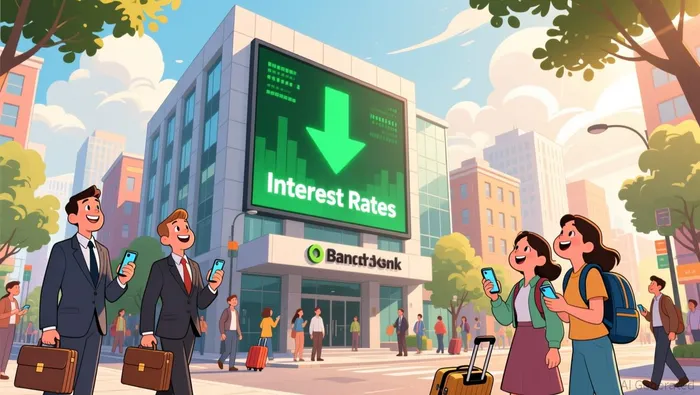 . Fixed-rate student loans won't see changes this year, as their rates are set annually based on Treasury yields.
Mortgage rates, however, have not yet responded as directly to the Fed's actions. While the Fed's rate cuts create a generally lower interest rate environment, the 30-year fixed mortgage rate remains tied to the 10-year Treasury yield and is still . That said, if Treasury yields continue to trend lower, homebuyers and refinancers could see . Auto loan rates, on the other hand, are expected to stay elevated for now due to their longer-term nature.
For savers, the story is more challenging. Banks have already begun to lower the rates they offer on savings accounts and CDs in response to the Fed's cuts. , . With more rate cuts expected in the near future, savers should prepare for further declines in returns.
Investor takeaway: What to watch in 2026 and beyond
Investors should be mindful of how the Fed's rate cuts influence both risk and return across asset classes. In equities, lower borrowing costs can boost corporate earnings, especially in sectors like real estate, finance, and consumer discretionary. That said, the pace of economic data—particularly inflation and employment—will determine whether the Fed continues its easing cycle. If inflation remains under control, 2026 could see more gradual rate reductions, which would favor long-term bond prices and high-quality stocks.
In the near term, investors should keep an eye on the Fed's next moves and how the broader market interprets them. For example, even a small shift in the Fed's projections or economic outlook could cause stock benchmarks like the S&P 500 and Nasdaq Composite to swing. Meanwhile, alternative assets like , such as XRPXRP--, have also seen some volatility tied to Fed actions—though the relationship can be less direct and more speculative according to financial analysts.
At the end of the day, the Fed's rate cuts signal a focus on economic resilience rather than aggressive stimulus. For retail investors, this means staying informed about how policy shifts affect their portfolios and financial goals. Whether you're paying down debt, saving for the future, or investing in the market, the Fed's moves are likely to remain a key factor in the year ahead.






Comentarios
Aún no hay comentarios