
Fed Rate Cuts and the 2026 Investment Landscape: Positioning for Growth in a Low-Yield World
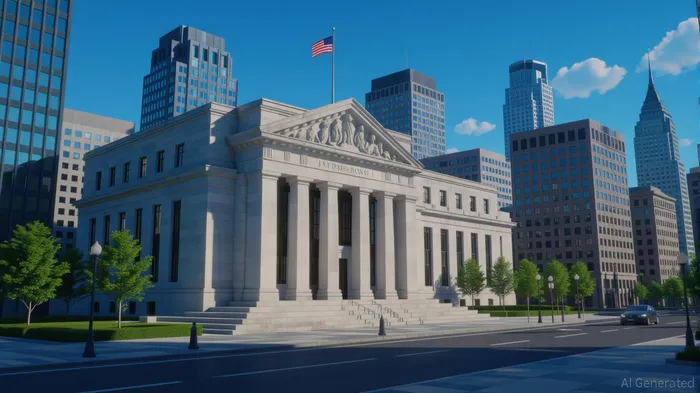
The Federal Reserve's potential rate cuts in early 2026 could reshape the investment landscape, offering both opportunities and risks for equity and fixed-income markets. While the Federal Open Market Committee (FOMC) has not yet released concrete projections for 2026, its statutory mandate to promote maximum employment and stable prices suggests that accommodative monetary policy remains a key tool for navigating economic uncertainties[1]. With global trade fragmentation, inflationary pressures, and the lingering effects of AI-driven productivity shifts, the Fed's decisions will likely hinge on balancing growth support with inflation control[2].
Equity Markets: Tech and Sustainability as Rate-Sensitive Winners
Historically, accommodative monetary policy has disproportionately benefited sectors with high capital intensity and long-term growth trajectories. Technology and sustainability-driven industries, in particular, have thrived under low borrowing costs. For instance, AI and machine learning specialists, big data analysts, and software developers have seen rapid expansion due to sustained investment in digital infrastructure[3]. Lower interest rates reduce the cost of capital, enabling companies to fund R&D and innovation projects that drive long-term value.
Similarly, the green energy transition has gained momentum under accommodative policies. Renewable energy engineers and environmental engineers are among the fastest-growing roles, supported by reduced financing costs for large-scale infrastructure projects[3]. China's $546 billion investment in renewable energy in 2023 underscores the global shift toward sustainability-linked investments, which are expected to attract further capital in 2026[3].
Fixed-Income Allocations: ESG and Green Bonds in Focus
Fixed-income markets are also poised to benefit from rate cuts. Investors seeking yield in a low-interest-rate environment are increasingly turning to ESG (Environmental, Social, and Governance) bonds and green infrastructure projects. These instruments align with global sustainability goals while offering competitive returns compared to traditional bonds[3]. For example, green bonds tied to renewable energy development have seen strong demand, particularly in markets with aggressive decarbonization targets[3].
However, the long-term success of these investments depends on addressing structural challenges such as skill gaps and trade policy uncertainties[4]. Central banks, including the European Central Bank, are already signaling potential rate adjustments in response to shifting trade dynamics, highlighting the interconnectedness of monetary policy and global economic realignments[4].
Risks and Uncertainties: Trade Tensions and Policy Divergence
While rate cuts could stimulate growth, they also operate within a backdrop of heightened geopolitical and economic risks. The January 2025 Chief Economists Outlook from the World Economic Forum identifies trade policy as the highest area of global uncertainty, with rising tariffs and fragmented trade networks complicating market dynamics[2]. For instance, the U.S. average effective tariff rate reached 18.2% by July 2025—the highest since 1934—reshaping global trade patterns and increasing volatility in financial markets[3].
These uncertainties could temper the effectiveness of rate cuts, particularly if inflationary pressures persist or if global growth slows further. Investors must remain vigilant about how central banks navigate these challenges, as divergent monetary policies across regions could create uneven market responses[4].
Strategic Positioning for 2026
To capitalize on the Fed's potential rate cuts, investors should prioritize sectors with strong tailwinds from low borrowing costs and structural growth trends. Technology and sustainability-driven equities, along with ESG-focused fixed-income instruments, offer compelling opportunities. However, diversification across geographies and asset classes will be critical to mitigate risks from trade tensions and policy shifts.
Conclusion
The Fed's 2026 rate-cut trajectory, though still undefined, is likely to amplify the advantages of growth sectors already aligned with low-cost capital and long-term innovation. By focusing on technology, sustainability, and ESG investments, investors can position portfolios to benefit from accommodative monetary policy while navigating the uncertainties of a fragmented global economy.







Comentarios
Aún no hay comentarios