
Fed Prepares to Act as Treasury Yields Rise 4.5%
Financial markets are experiencing fluctuations as the first quarter of 2025 comes to a close. Rising bond yields and policy changes are creating waves, leading many to question whether the U.S. Federal Reserve will intervene to calm the storm. Susan Collins, President of the Boston Fed, provided some clarity, stating that the Fed is prepared to act if necessary, but only if the situation becomes critical.
Collins emphasized that the Fed is closely monitoring the situation. While markets have shown signs of stress, she assured that current liquidity conditions remain stable. She reminded the public that the Fed has acted swiftly in the past, such as during the 2020 COVID-19 crisis, and is equipped with a range of tools beyond just adjusting interest rates to stabilize the market if needed.
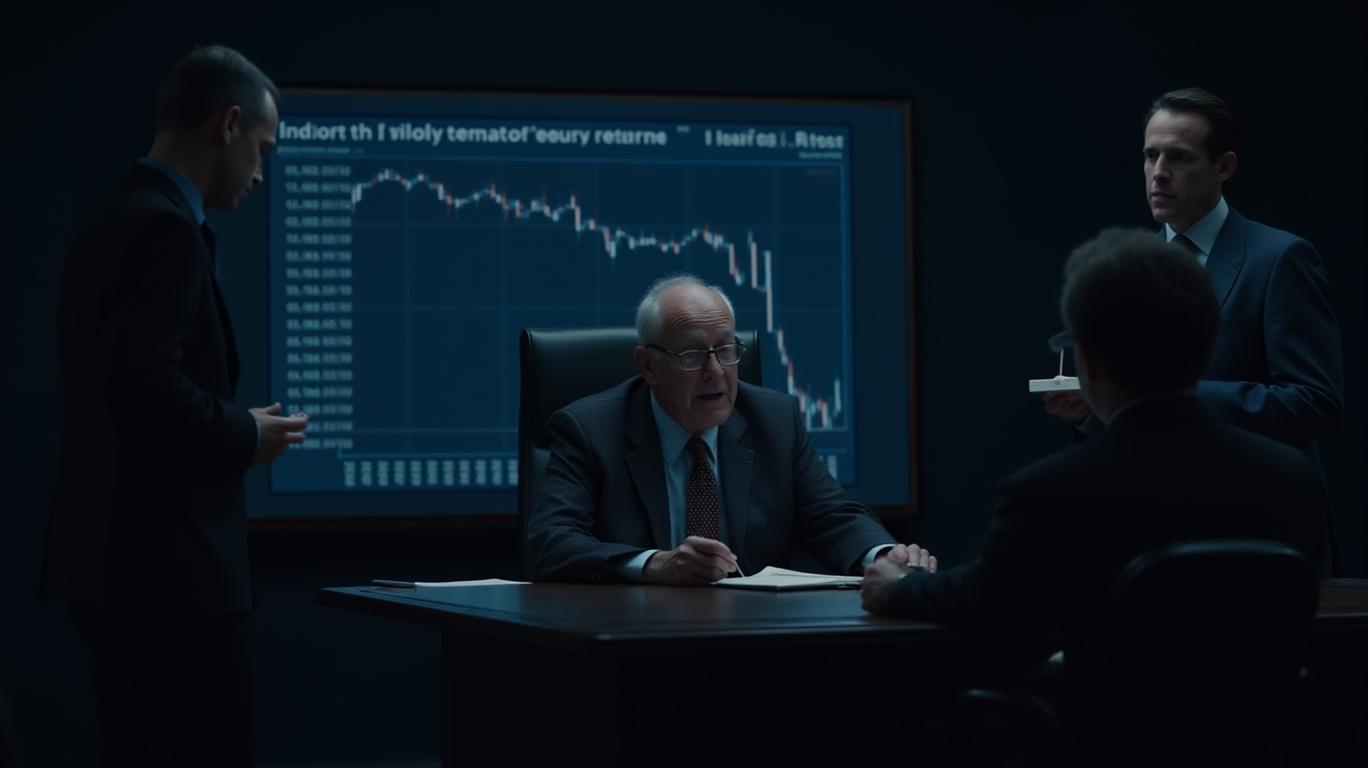
One of the primary concerns in the financial world is the sharp increase in the 10-year U.S. Treasury yield, which has risen to 4.5%. This significant shift in the bond market, combined with uncertainty from recent policy announcements, is causing investor nervousness. Experts fear that the $29 trillion Treasury market could face instability, as rising yields make it more expensive for the government to borrow money, potentially creating ripple effects across the economy.
JPMorgan Chase CEO Jamie Dimon also expressed concerns about liquidity. He warned that if liquidity continues to tighten, it could lead to significant problems not just in the U.S. but globally. Dimon attributed this potential issue to banking regulations, specifically the need to adjust the supplementary leverage ratio for banks holding Treasuries. Without changes, the Fed might need to intervene again, similar to its actions in 2020, to prevent a full-blown market crisis.
Adding to the concerns, Larry Fink from BlackRockWSML-- shared his thoughts on the economic outlook. He suggested that the U.S. could already be in a recession or on the brink of one. Fink believes that the uncertainty caused by trade policies and tariffs is slowing economic growth. However, he does not anticipate a collapse of the financial system, describing the situation more as a slowdown than a crisis.
Interestingly, the liquidity concerns extend beyond traditional markets to the crypto market. Studies from Kingston University indicate that changes in liquidity have significantly influenced Bitcoin's price movements, even more so than its core network features. As market participants await the Fed's actions, crypto investors are also closely monitoring liquidity conditions.
The bottom line is that while the situation is tense, it is not yet critical. The Fed is not rushing to intervene but is standing by, ready to act if necessary. Whether it involves Treasury yields, hedge funds, or even Bitcoin, everyone is hoping to avoid a repeat of 2020. However, if such a scenario arises, the Fed has assured that it will be prepared to take appropriate measures.





Comentarios
Aún no hay comentarios