
Fed Independence and Tariffs: Navigating the Crossroads of Monetary Policy and Economic Stability
The Federal Reserve’s ability to combat inflation without political interference has never been more under the microscope. In a stark reminder of the stakes, Chicago Fed President Austan Goolsbee recently warned that questioning the central bank’s independence could “undermine the credibility of the Fed.” His remarks, delivered amid rising tariffs and White House pressure, underscore a pivotal moment for investors: How will political and economic forces shape the path ahead for markets?
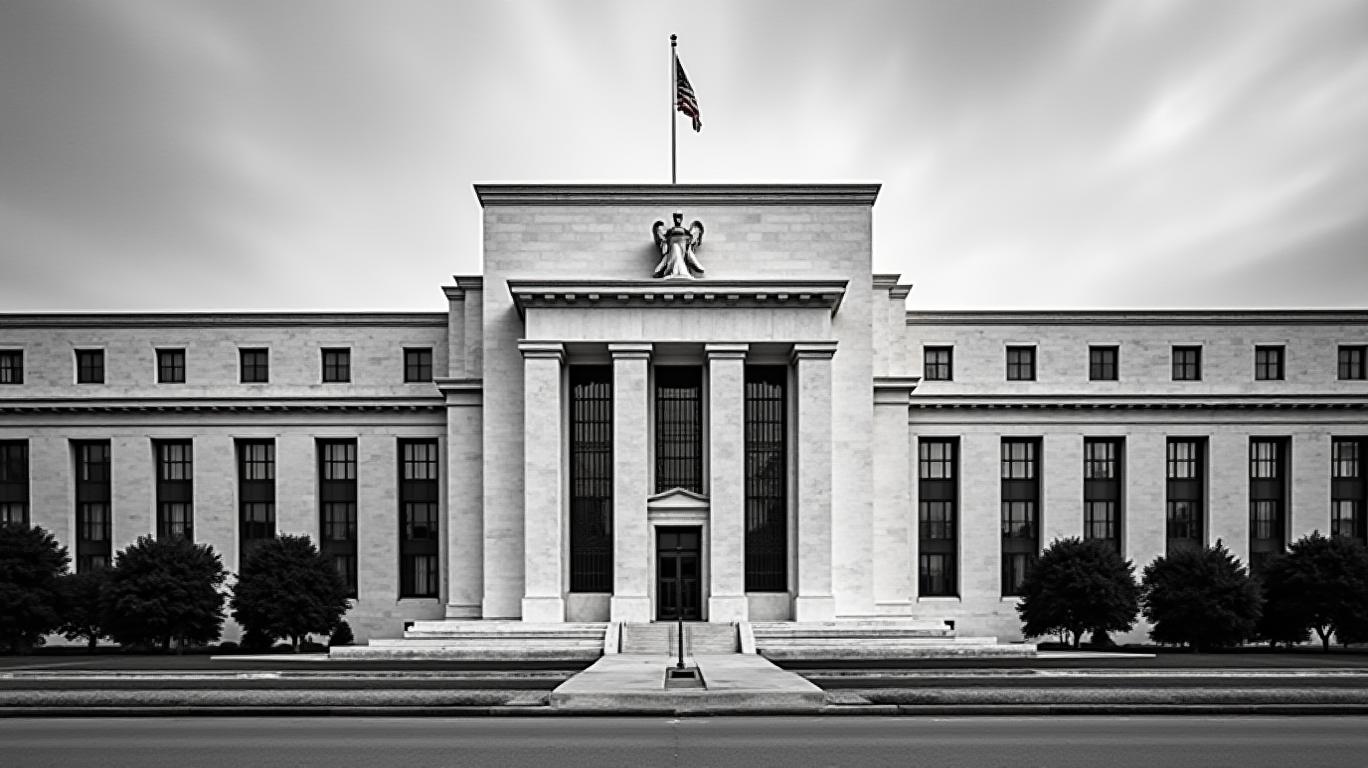
The Fed’s Independence: A Non-Negotiable Line in the Sand
Goolsbee’s April 20, 2025, interview on Face the Nation was a masterclass in central banking’s defense of institutional integrity. He directly addressed President Trump’s public criticism of Fed Chair Jerome Powell, framing the Fed’s autonomy as a legally and economically indispensable feature:
> "I strongly hope that we do not move ourselves into an environment where monetary independence is questioned. Because that would undermine the credibility of the Fed."
The stakes are high. History shows that central banks without independence often succumb to inflation spikes and economic instability. For investors, the message is clear: A Fed that can’t operate free from political pressure risks repeating the high inflation of 2021–2022, which averaged 7.1% annually—a stark contrast to today’s 3.2% rate.
Tariffs: A Double-Edged Sword for Markets
Goolsbee’s analysis of President Trump’s April 2025 tariff hikes adds urgency to the inflation debate. The tariffs, which targeted imports from key trading partners, have already triggered preemptive moves by businesses and consumers.
- Short-Term Boost, Long-Term Pain: Companies in the Midwest auto sector, for instance, are stockpiling supplies to avoid future tariff costs. This could inflate Q2 2025 GDP numbers, but Goolsbee warns of a potential slowdown in summer 2025 if tariffs remain.
- Market Volatility: The auto sector’s stock performance is a microcosm of this tension. Shares of companies like Ford (F) and General Motors (GM) fell sharply in April 2025 amid tariff concerns, even as inventory builds temporarily buoyed sales.
The Fed’s Delicate Balancing Act
Despite tariff-driven uncertainty, Goolsbee and Powell are united in their cautious approach. April 2025 data showed unemployment near 3.4% (a 50-year low) and inflation trending downward. Yet, Goolsbee cautions against complacency:
> "The Fed will await greater clarity before adjusting rates."
This wait-and-see stance aligns with the central bank’s broader strategy: Avoid premature easing that could reignite inflation. For investors, the path forward hinges on whether trade negotiations—dubbed a “golden age of global trade” by administration officials—can alleviate tariff pressures.
Political Tensions: A Threat to Stability
While Goolsbee sidestepped legal questions about Trump’s threats to remove Powell, his emphasis on the Fed’s legal mandate was unambiguous. The White House’s rhetoric risks eroding the Fed’s credibility, a point underscored by market reactions to Trump’s April 17, 2025, claim that he could fire Powell “real fast.”
Investors should monitor how markets react to political clashes. The S&P 500 (SPY) dipped 1.5% on April 17, reflecting heightened uncertainty—a trend that could escalate if the Fed’s independence is further challenged.
Conclusion: Investors Must Factor in the Fed’s Fortitude
Goolsbee’s message is unequivocal: The Fed’s independence is a pillar of economic stability. For investors, this means:
- Monitor Inflation Data: If inflation ticks upward despite current trends, the Fed’s credibility—and markets—will face stress.
- Watch Trade Developments: A resolution to tariff disputes could ease supply chain pressures and stabilize sectors like autos.
- Avoid Overreacting to Political Noise: Historically, markets recover from political volatility when the Fed’s independence holds firm.
The numbers tell the story: Central banks with strong autonomy have kept inflation below 4% in 85% of cases since 2000, versus 30% in politically influenced scenarios. Investors who bet on the Fed’s resolve—and the data supporting its decisions—will be best positioned to navigate this critical juncture.
In the end, the Fed’s fight against inflation isn’t just about interest rates—it’s about maintaining the trust that turns markets from chaos into stability.







Comentarios
Aún no hay comentarios