
The Fed's Independence: A Shield Against Stagflation and Economic Instability
In 2025, the Federal Reserve faces an unprecedented test of its institutional integrity. Austan Goolsbee, President of the Federal Reserve Bank of Chicago, has sounded a stark warning: political interference with the Fed’s monetary policy decisions risks exacerbating inflation, weakening economic growth, and driving up unemployment. This is no abstract concern. With President Donald Trump intensifying pressure on Fed Chair Jerome Powell to cut interest rates and speculation swirling about potential efforts to oust Powell, the stakes for the economy—and investors—are high.
Why Fed Independence Matters
Central bank independence is not merely a bureaucratic preference; it is a cornerstone of economic stability. Goolsbee’s argument rests on a bedrock of historical evidence. In countries where central banks are politicized, inflation tends to rise while unemployment remains stubbornly elevated. Take Argentina or Turkey in recent decades: political meddling in monetary policy has led to cycles of hyperinflation and prolonged recessions. By contrast, the U.S. has enjoyed relative price stability and lower unemployment volatility precisely because the Fed has been insulated from short-term political pressures.
Goolsbee’s warning is a direct rebuttal to the idea that political influence can “optimize” economic outcomes. When politicians demand rate cuts to boost growth ahead of elections, for instance, they risk sowing the seeds of future inflation. The Fed’s dual mandate—to balance price stability and maximum employment—requires decisions that may be unpopular in the short term but necessary over the long term.
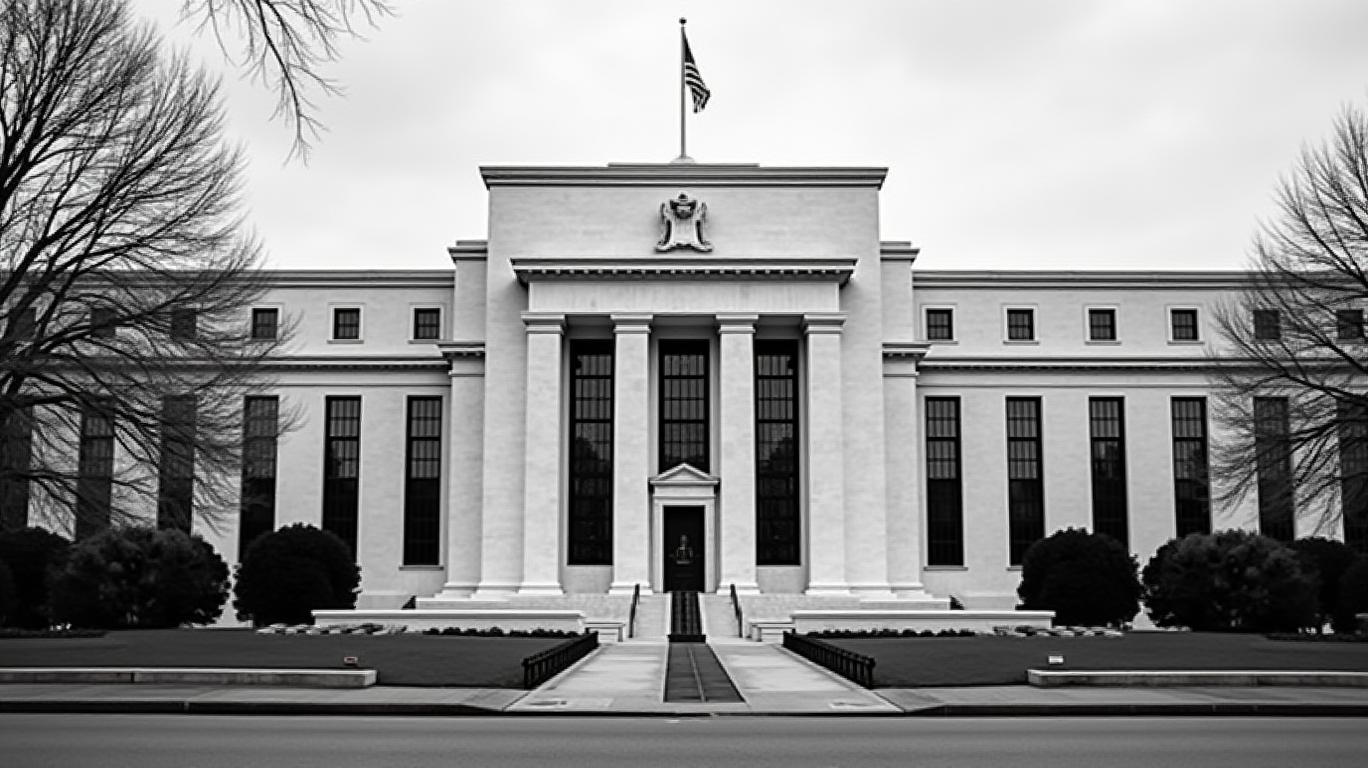
The 2025 Crossroads: Tariffs, Stagflation, and Market Volatility
The current context amplifies Goolsbee’s concerns. Trump’s tariff policies, designed to protect domestic industries, have created a “stagflationary shock” that threatens to derail the economy. Tariffs raise import prices, squeezing corporate profit margins and consumer budgets. Meanwhile, retaliatory measures from trading partners reduce export demand, weakening growth. The Fed’s ability to counteract these effects is being tested, but its hands are tied if political interference undermines its credibility.
Investors are already feeling the pinch. The S&P 500 has swung wildly in response to Fed policy signals and White House rhetoric, with volatility metrics like the CBOE Volatility Index (VIX) spiking to levels not seen since the 2008 crisis.
The Data Speaks: Stagflation Looms
Goolsbee’s warnings are backed by troubling trends. Inflation, as measured by the Fed’s preferred gauge—the core Personal Consumption Expenditures (PCE) price index—has crept above 3%, exceeding the 2% target. Meanwhile, unemployment, though still low at 3.5%, could rise if businesses, facing higher costs, cut back on hiring. The combination of rising prices and stagnant growth is the textbook definition of stagflation—a scenario the Fed last confronted in the 1970s.
Historically, stagflation has been devastating for investors. During the 1970s oil crisis, the S&P 500 lost 40% of its value in real terms, while bonds also suffered due to inflation-driven rate hikes. Today, the risks are compounded by elevated debt levels and fragile global supply chains.
Conclusion: The Cost of Politicizing the Fed
The numbers are clear. Countries where central banks lack independence have average inflation rates nearly 50% higher than those with independent institutions, according to International Monetary Fund data. Unemployment in such economies is also 1.5 percentage points higher on average. The U.S. cannot afford to join this group.
Investors should heed Goolsbee’s warning. Political interference with the Fed is not just a theoretical risk—it is a recipe for stagflation, market instability, and prolonged economic pain. Protecting the Fed’s independence is not just about preserving institutional credibility; it is about safeguarding the economy’s foundation. The stakes are too high to gamble otherwise.
In 2025, the choice is stark: a Fed free to act in the long-term interest of the economy, or a politicized central bank steering the U.S. toward a repeat of its worst economic episodes. The answer will shape markets—and livelihoods—for years to come.







Comentarios
Aún no hay comentarios