
Fed Holds Rates Steady Amid Policy Uncertainty: Investors Must Navigate a Delicate Balancing Act
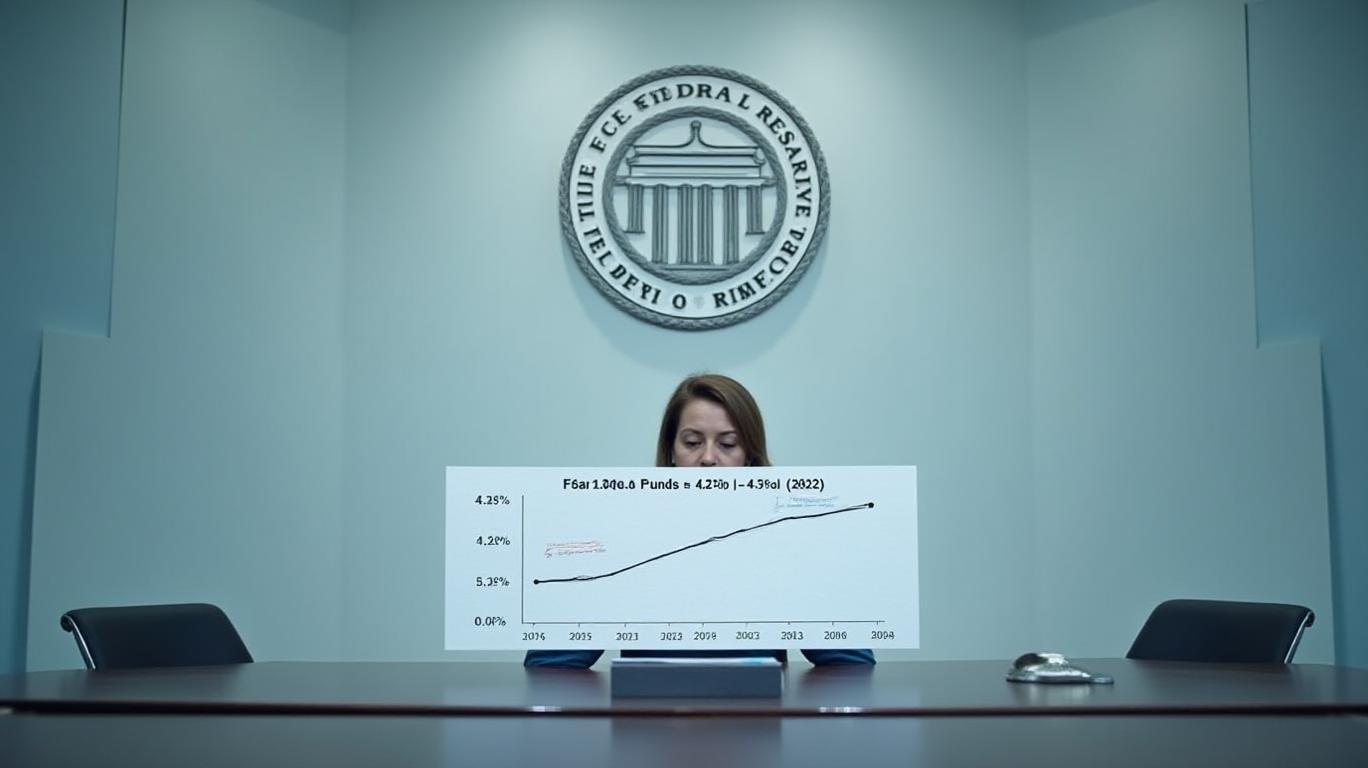
Federal Reserve Vice Chair John Williams’ recent remarks underscore a central truth about the current economic landscape: the Fed’s hands are tied by forces beyond its control. With the federal funds rate unchanged at 4.25%–4.5%, the central bank has chosen to tread cautiously, awaiting clearer signals on inflation, trade policy, and global spillover effects. For investors, this means navigating a path where patience, diversification, and close attention to data will be critical to preserving and growing capital.
The Fed’s Steadfast Stance
The Fed’s decision to hold rates steady reflects its assessment that the current policy is “in the right place to manage risks.” This stance, however, is not complacency but a calculated response to an economy buffeted by external shocks. Key to this calculus is the recognition that inflation remains elevated—projected to reach 3.5%–4% in 2025—while economic growth has slowed to a crawl.
Economic Crossroads
Williams’ outlook paints a mixed picture:
- GDP Growth: A projected slowdown to “somewhat below 1%” in 2025, down sharply from 2024’s stronger performance. This decline is attributed to reduced labor force growth and the drag from tariffs.
- Unemployment: Expected to rise to 4.5%–5%, signaling weaker labor market conditions as businesses adopt a “wait-and-see” approach.
- Inflation: While short-term expectations have risen, long-term expectations remain “well anchored”—a crucial buffer against entrenched price pressures.
The Trade Policy Wild Card
The Fed’s greatest uncertainty is not domestic but geopolitical. Trade policies, particularly tariffs, have tripled the Economic Policy Uncertainty Index to its highest level in 40 years. This volatility has paralyzed businesses and consumers alike, with both delaying investments and major purchases. The Fed’s hands are further constrained by global spillover effects: trade disruptions in the U.S. could ripple through supply chains, altering inflation dynamics worldwide.
Balance Sheet Adjustments: A Delicate Dance
To mitigate these risks, the Fed has slowed its balance sheet runoff, halving Treasury redemptions to $5 billion monthly. This tweak aims to stabilize financial conditions without altering the ultimate policy stance. Yet, the Fed’s balance sheet—still “somewhat above ample”—remains a wildcard for markets, as its size influences long-term interest rates and liquidity.
Implications for Investors
1. Equities: Growth-sensitive sectors, such as technology and consumer discretionary, may face headwinds as higher tariffs and slower GDP growth weigh on earnings. Investors should prioritize firms with pricing power or exposure to secular trends like AI.
2. Fixed Income: The flat yield curve and elevated inflation suggest caution in long-dated bonds. Floating-rate notes or short-term Treasuries could offer better protection against rate uncertainty.
3. Trade Policy Sectors: Companies insulated from trade disputes—such as domestic utilities or healthcare firms—may outperform. Conversely, industrials and materials tied to global supply chains face increased volatility.
Conclusion: A Delicate Tightrope
John Williams’ remarks highlight a Fed walking a tightrope between inflation control and economic resilience. With GDP growth near stall speed and unemployment creeping higher, investors must prepare for a prolonged period of low returns and heightened volatility.
The data is stark: a 4.5%–5% unemployment rate would mark a meaningful cooling of labor markets, potentially easing wage pressures. However, if tariffs prolong inflation’s persistence beyond 2025, the Fed may be forced to reconsider its stance. For now, the Fed’s mantra—“wait and see”—should guide investors to favor quality, liquidity, and flexibility.
In this uncertain environment, the Fed’s steady hand buys time—but investors must not mistake patience for stagnation. The next move—whether a cut or a hike—will depend on how trade policies evolve and whether inflation’s “well-anchored” expectations hold. Stay vigilant, but stay invested.







Comentarios
Aún no hay comentarios