
Fed Holds Rates Amid Cooling Inflation: Implications for FX and Bond Markets
The Federal Reserve’s upcoming May 6-7 meeting is set to dominate market narratives this week, with expectations of a status quo decision on interest rates. As the U.S. inflation rate eases further and labor market resilience persists, investors are parsing data and Fed communication for clues on the path ahead. For forex and bond traders, the stakes are high: a prolonged pause in rate hikes could reshape currency dynamics and bond yields, while lingering risks like trade tensions and shelter costs keep volatility in play.
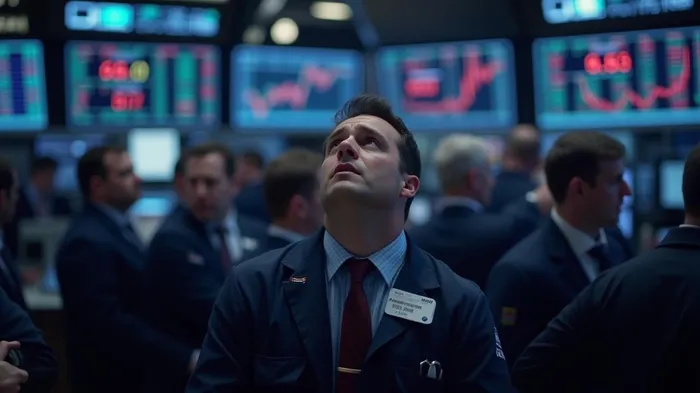
The Fed’s Dilemma: Data vs. Uncertainty
The latest data paints a picture of moderation. The March CPI report showed annual inflation at 2.4%, down from 2.8% in February, with core inflation (excluding food and energy) at 2.8%, the lowest since 2021. March PCE data reinforced this trend, with headline PCE at 2.3% and core PCE at 2.6%—closer to the Fed’s 2% target. However, risks remain. Shelter costs, though slowing, still contribute 4.0% annual inflation, while tariffs on Chinese imports and labor shortages in key sectors could reignite price pressures.
The Fed’s challenge is balancing these trends. With unemployment stable at 4.2% and job growth averaging 152,000 monthly, policymakers may see no urgency to tighten further. Yet, the April CPI release on May 13—post-Fed meeting—could influence future policy. For now, a hold is all but certain, but forward guidance will be pivotal. A “data-dependent” stance could cap rate expectations, while hawkish hints at risks might limit relief for markets.
FX Markets: A Pause Fuels Carry Trades
A Fed hold could weaken the U.S. dollar, as the allure of higher-yielding currencies intensifies. The USD index, which has hovered near 101.5 this year, might trend lower if Treasury yields drop. Emerging markets, which suffered from dollar strength in 2023, could see inflows return. The Brazilian real (BRL) and Turkish lira (TRY)—both sensitive to rate differentials—might outperform, while commodities like oil and copper could gain if the dollar retreats.
Meanwhile, the Japanese yen (JPY) faces a tug-of-war. The BOJ’s ultra-accommodative stance contrasts with the Fed’s pause, but yen weakness might persist if Japan’s economy shows resilience. Carry trades favoring high-yield currencies (e.g., AUD, NZD) could dominate, but traders will watch Fed Chair Powell’s comments on inflation risks for clues.
Bond Markets: A Steady Dovish Shift?
The 10-year Treasury yield, currently at 3.55%, could drift lower if the Fed signals caution. A yield dip toward 3.4% would reflect reduced rate hike bets and inflation optimism. The 2-year/10-year yield curve, still inverted at -0.45%, may narrow further if short-term rates stabilize. For bond investors, the key question is duration: Is this a buying opportunity, or a prelude to renewed volatility?
Corporate bonds, particularly high-yield issuers, might benefit from reduced default risks in a stable rate environment. However, sectors tied to inflation—like energy and utilities—could face headwinds if bond yields compress. The spread between high-yield and Treasuries, currently at 3.8%, might tighten further if credit quality holds.
Risks on the Horizon
- Tariffs and Trade: U.S. tariffs on Chinese goods, which account for 2.5% of GDP, could disrupt supply chains and push up prices later in 2025.
- Shelter Inflation: Rent data lags home prices, and a rebound in housing demand might reignite shelter cost pressures.
- Labor Market: While unemployment is stable, the 1.7 million long-term unemployed and stagnant wage growth (3.8% annual) suggest underlying slack.
Conclusion: A Pause, but Not a Pivot
The Fed’s decision to hold rates is a reflection of progress in taming inflation, not a signal of complacency. With core inflation at 2.8% and unemployment near 4%, policymakers have room to avoid further hikes—but must stay vigilant. For markets, the immediate impact is likely constructive: weaker USD, lower yields, and a relief rally for risk assets. However, the May 13 CPI report and June Fed meeting will test the durability of this optimism.
Traders should prioritize flexibility. In forex, favoring emerging markets and commodities while hedging against dollar volatility makes sense. In bonds, locking in yields before the next rate cycle (whenever it comes) offers prudent upside. The Fed’s pause is a breather, not a conclusion—markets must prepare for both the data and the drama ahead.







Comentarios
Aún no hay comentarios