
A Fed on Hold, for Now, Eyes Strong Jobs, Easing Inflation
Generado por agente de IACharles Hayes
viernes, 24 de enero de 2025, 6:23 am ET2 min de lectura
EIG--
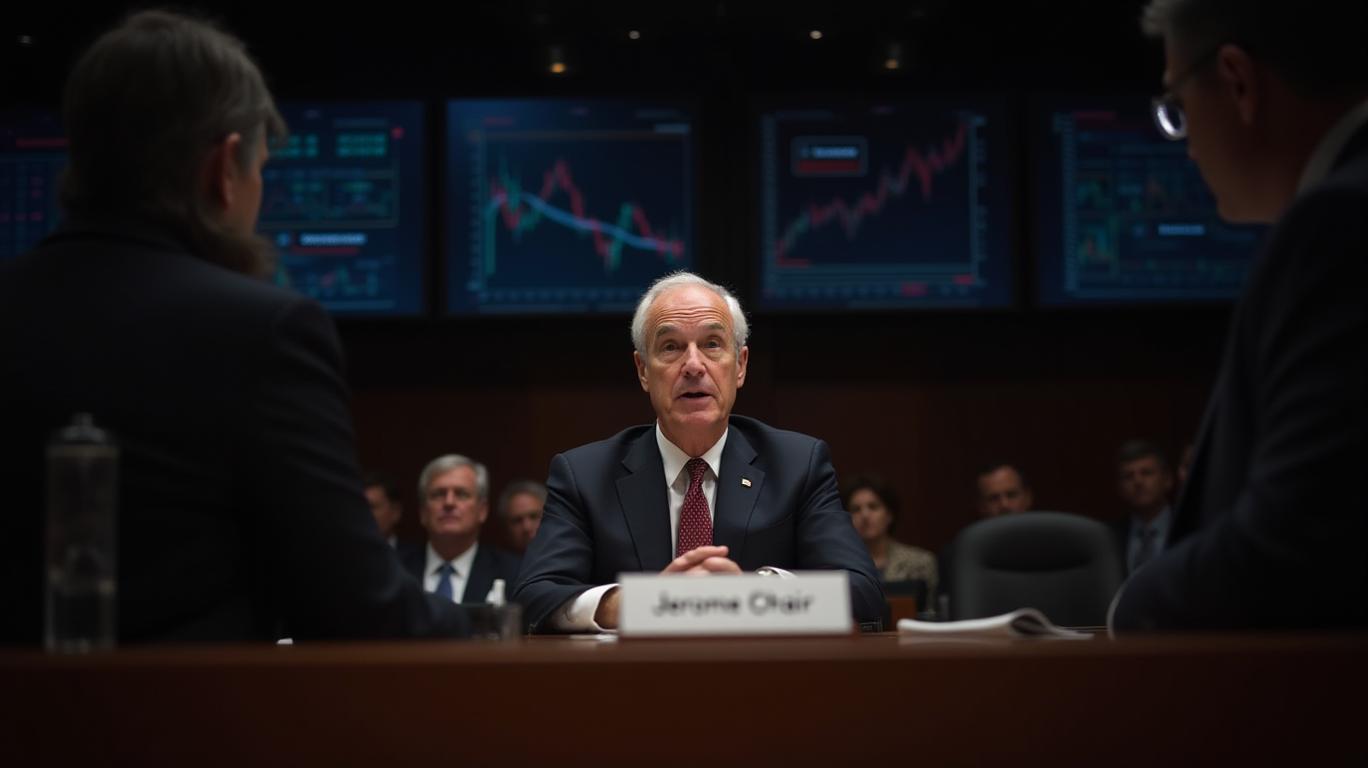
The Federal Reserve (Fed) has maintained its current interest rate target range at 4.50% since December 2024, pausing its rate hikes as it assesses the economic outlook and the impact of its previous tightening measures. This decision comes as the Fed seeks to balance its dual mandate of promoting maximum employment and maintaining stable prices. Recent trends in inflation and employment data suggest that the Fed's pause may be warranted, as inflation pressures appear to be easing, and the labor market remains robust.
Inflation Trends
Inflation, as measured by the annual change in the price index for personal consumption expenditures (PCE), has been higher than expected in recent months. However, the latest data indicates that inflation may be stabilizing and potentially easing. In November 2024, the annual inflation rate in the US rose to 2.7%, down from the peak of 3.2% in July 2024. This suggests that the disinflation process may be underway, although it is still too early to declare victory.
The Fed's projection is that inflation will continue moving toward its 2% target, although the process may take longer than previously expected. The recent slowdown in inflation, coupled with the Fed's commitment to supporting economic growth and employment, has led to a pause in interest rate adjustments.
Employment Trends
The labor market has remained strong, with the unemployment rate moving up but remaining low. In November 2024, employers added 227K jobs, significantly surpassing forecasts. This robust job growth indicates that the labor market is still resilient, despite the Fed's tightening measures.
The Kansas City Fed Labor Market Conditions Indicators (LMCI) have also shown improvement, with the latest reading in November 2024 at 1.2, down from 1.5 in January 2024. This suggests that labor market conditions have generally eased, although the unemployment rate has moved up slightly.
Implications for Interest Rates
The Fed's current pause in interest rate adjustments reflects a balanced approach to addressing inflation while supporting economic growth and employment. The Committee is closely monitoring incoming data and the evolving outlook to make appropriate adjustments to monetary policy as needed.
The recent trends in inflation and employment data suggest that the Fed may need to reassess its projections and adjust its interest rate policy accordingly. The slower pace of rate cuts and the commitment to addressing inflation pressures indicate that the Fed is closely monitoring the economic outlook and will continue to adapt its monetary policy as needed.
In conclusion, the Fed's current pause in interest rate adjustments reflects a balanced approach to addressing inflation while supporting economic growth and employment. The Committee is closely monitoring incoming data and the evolving outlook to make appropriate adjustments to monetary policy as needed. The recent trends in inflation and employment data suggest that the Fed may need to reassess its projections and adjust its interest rate policy accordingly.
The Federal Reserve (Fed) has maintained its current interest rate target range at 4.50% since December 2024, pausing its rate hikes as it assesses the economic outlook and the impact of its previous tightening measures. This decision comes as the Fed seeks to balance its dual mandate of promoting maximum employment and maintaining stable prices. Recent trends in inflation and employment data suggest that the Fed's pause may be warranted, as inflation pressures appear to be easing, and the labor market remains robust.
Inflation Trends
Inflation, as measured by the annual change in the price index for personal consumption expenditures (PCE), has been higher than expected in recent months. However, the latest data indicates that inflation may be stabilizing and potentially easing. In November 2024, the annual inflation rate in the US rose to 2.7%, down from the peak of 3.2% in July 2024. This suggests that the disinflation process may be underway, although it is still too early to declare victory.
The Fed's projection is that inflation will continue moving toward its 2% target, although the process may take longer than previously expected. The recent slowdown in inflation, coupled with the Fed's commitment to supporting economic growth and employment, has led to a pause in interest rate adjustments.
Employment Trends
The labor market has remained strong, with the unemployment rate moving up but remaining low. In November 2024, employers added 227K jobs, significantly surpassing forecasts. This robust job growth indicates that the labor market is still resilient, despite the Fed's tightening measures.
The Kansas City Fed Labor Market Conditions Indicators (LMCI) have also shown improvement, with the latest reading in November 2024 at 1.2, down from 1.5 in January 2024. This suggests that labor market conditions have generally eased, although the unemployment rate has moved up slightly.
Implications for Interest Rates
The Fed's current pause in interest rate adjustments reflects a balanced approach to addressing inflation while supporting economic growth and employment. The Committee is closely monitoring incoming data and the evolving outlook to make appropriate adjustments to monetary policy as needed.
The recent trends in inflation and employment data suggest that the Fed may need to reassess its projections and adjust its interest rate policy accordingly. The slower pace of rate cuts and the commitment to addressing inflation pressures indicate that the Fed is closely monitoring the economic outlook and will continue to adapt its monetary policy as needed.
In conclusion, the Fed's current pause in interest rate adjustments reflects a balanced approach to addressing inflation while supporting economic growth and employment. The Committee is closely monitoring incoming data and the evolving outlook to make appropriate adjustments to monetary policy as needed. The recent trends in inflation and employment data suggest that the Fed may need to reassess its projections and adjust its interest rate policy accordingly.

Divulgación editorial y transparencia de la IA: Ainvest News utiliza tecnología avanzada de Modelos de Lenguaje Largo (LLM) para sintetizar y analizar datos de mercado en tiempo real. Para garantizar los más altos estándares de integridad, cada artículo se somete a un riguroso proceso de verificación con participación humana.
Mientras la IA asiste en el procesamiento de datos y la redacción inicial, un miembro editorial profesional de Ainvest revisa, verifica y aprueba de forma independiente todo el contenido para garantizar su precisión y cumplimiento con los estándares editoriales de Ainvest Fintech Inc. Esta supervisión humana está diseñada para mitigar las alucinaciones de la IA y garantizar el contexto financiero.
Advertencia sobre inversiones: Este contenido se proporciona únicamente con fines informativos y no constituye asesoramiento profesional de inversión, legal o financiero. Los mercados conllevan riesgos inherentes. Se recomienda a los usuarios que realicen una investigación independiente o consulten a un asesor financiero certificado antes de tomar cualquier decisión. Ainvest Fintech Inc. se exime de toda responsabilidad por las acciones tomadas con base en esta información. ¿Encontró un error? Reportar un problema




Comentarios
Aún no hay comentarios