
Fed Cuts Rates, Signals More to Come in 2025
Generado por agente de IAWesley Park
miércoles, 18 de diciembre de 2024, 2:37 pm ET2 min de lectura
DB--
The Federal Reserve (Fed) has lowered its benchmark interest rate by a quarter point, signaling two more cuts in 2025. This move, the first since March 2020, is aimed at supporting the economy and managing inflation. The Fed's decision comes as a relief to investors, who have been anticipating a rate cut to boost economic growth and stock market performance.
The Fed's rate cut will likely have a positive impact on the economy and financial markets. Lower interest rates make borrowing cheaper, which can stimulate consumer spending and business investment. This, in turn, can lead to increased economic activity and job growth. Additionally, lower interest rates can make stocks more attractive to investors, as they offer higher yields relative to bonds.
The Fed's signaling of two more rate cuts in 2025 is also a positive sign for investors. This indicates that the central bank is committed to supporting the economy and managing inflation, which can boost investor confidence and encourage further investment in stocks.
However, there are some potential challenges that investors should be aware of. A flatter yield curve can negatively impact banking sector profitability, as banks typically borrow short-term and lend long-term. When the yield curve flattens or inverts, this spread narrows, reducing banks' earnings. Additionally, a flatter curve may lead to reduced demand for loans, as businesses and consumers find it less attractive to borrow at lower interest rates.
The Fed's rate cut and signaling of future cuts could also have a positive impact on mortgage-backed securities (MBS). Lower interest rates make borrowing cheaper, which could increase demand for mortgages and, consequently, MBS. Additionally, the Fed's signaling of two more cuts in 2025 could further boost demand for MBS, as investors seek higher yields in a low-rate environment.
The Fed's rate cut will also impact borrowing costs for businesses, particularly in interest-sensitive sectors. The Fed's quarter-point rate cut will lower borrowing costs for businesses, benefiting interest-sensitive sectors like homebuilding and financials. According to Deutsche Bank, homebuilder stocks have historically outperformed during Fed easing cycles, and regional banks and insurers have also seen significant gains. However, analysts caution that these sectors may already have rate cuts priced in, limiting near-term upside.
Historically, defensive sectors tend to outperform during rate-cutting cycles. In 1995, healthcare and telecoms led the pack six months after the Fed's first cut, while consumer staples and utilities also performed well. This is likely due to these sectors' stable earnings and dividend growth, which become more attractive as interest rates fall. Additionally, rate-sensitive industries like homebuilding and financials often benefit from lower borrowing costs.
The Fed's rate cut could also influence consumer spending and savings. Lower borrowing costs make it cheaper for consumers to spend and save, which could lead to increased spending on durable goods and services, as well as higher savings rates. Additionally, lower interest rates could benefit sectors such as housing, consumer staples, and utilities, as consumers may be more likely to purchase homes, buy goods, and use services when borrowing costs are lower.
In conclusion, the Fed's rate cut and signaling of future cuts are positive signs for investors. Lower interest rates can stimulate economic growth, boost stock market performance, and make stocks more attractive relative to bonds. However, investors should be aware of potential challenges, such as the impact on banking sector profitability and the potential for reduced demand for loans. Additionally, investors should consider the impact on various sectors and the potential for increased consumer spending and savings. By staying informed and making strategic investment decisions, investors can capitalize on the opportunities presented by the Fed's rate cut and signaling of future cuts.
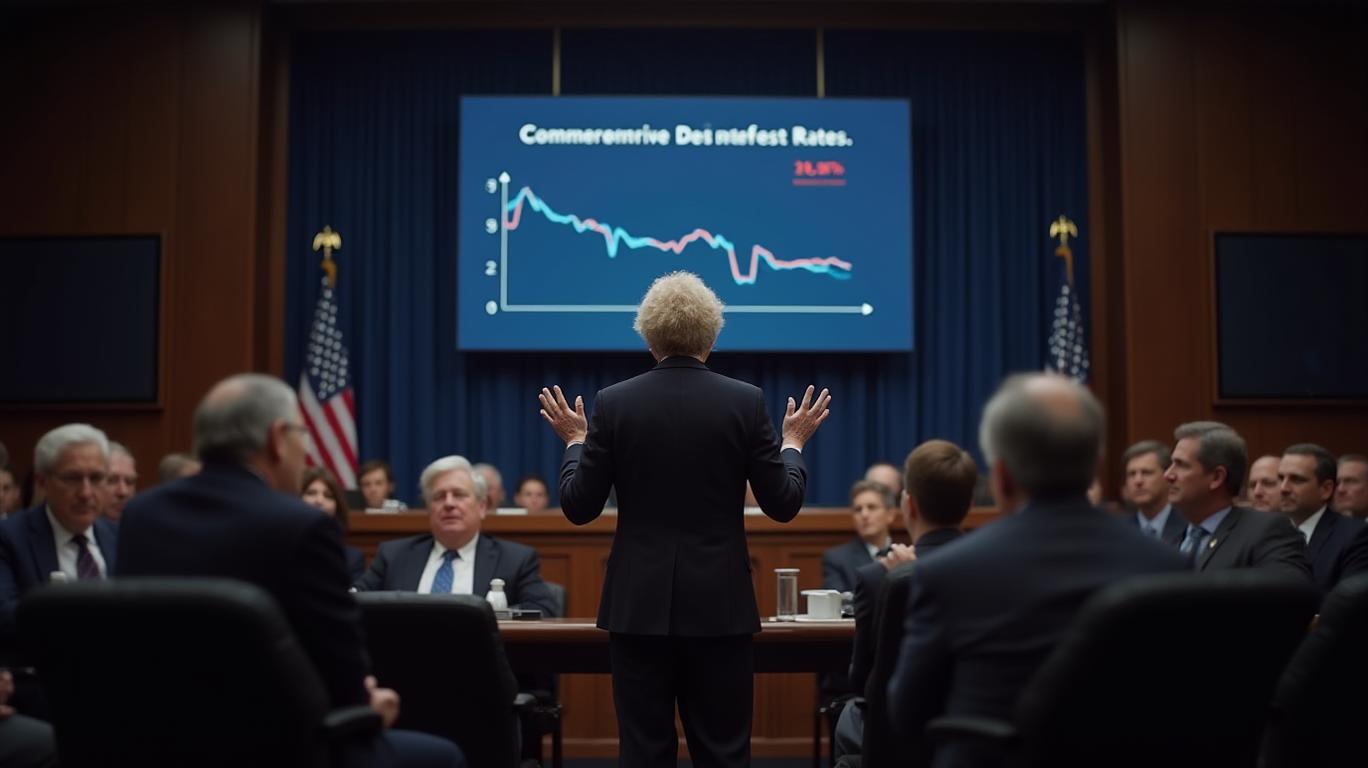
The Federal Reserve (Fed) has lowered its benchmark interest rate by a quarter point, signaling two more cuts in 2025. This move, the first since March 2020, is aimed at supporting the economy and managing inflation. The Fed's decision comes as a relief to investors, who have been anticipating a rate cut to boost economic growth and stock market performance.
The Fed's rate cut will likely have a positive impact on the economy and financial markets. Lower interest rates make borrowing cheaper, which can stimulate consumer spending and business investment. This, in turn, can lead to increased economic activity and job growth. Additionally, lower interest rates can make stocks more attractive to investors, as they offer higher yields relative to bonds.
The Fed's signaling of two more rate cuts in 2025 is also a positive sign for investors. This indicates that the central bank is committed to supporting the economy and managing inflation, which can boost investor confidence and encourage further investment in stocks.
However, there are some potential challenges that investors should be aware of. A flatter yield curve can negatively impact banking sector profitability, as banks typically borrow short-term and lend long-term. When the yield curve flattens or inverts, this spread narrows, reducing banks' earnings. Additionally, a flatter curve may lead to reduced demand for loans, as businesses and consumers find it less attractive to borrow at lower interest rates.
The Fed's rate cut and signaling of future cuts could also have a positive impact on mortgage-backed securities (MBS). Lower interest rates make borrowing cheaper, which could increase demand for mortgages and, consequently, MBS. Additionally, the Fed's signaling of two more cuts in 2025 could further boost demand for MBS, as investors seek higher yields in a low-rate environment.
The Fed's rate cut will also impact borrowing costs for businesses, particularly in interest-sensitive sectors. The Fed's quarter-point rate cut will lower borrowing costs for businesses, benefiting interest-sensitive sectors like homebuilding and financials. According to Deutsche Bank, homebuilder stocks have historically outperformed during Fed easing cycles, and regional banks and insurers have also seen significant gains. However, analysts caution that these sectors may already have rate cuts priced in, limiting near-term upside.
Historically, defensive sectors tend to outperform during rate-cutting cycles. In 1995, healthcare and telecoms led the pack six months after the Fed's first cut, while consumer staples and utilities also performed well. This is likely due to these sectors' stable earnings and dividend growth, which become more attractive as interest rates fall. Additionally, rate-sensitive industries like homebuilding and financials often benefit from lower borrowing costs.
The Fed's rate cut could also influence consumer spending and savings. Lower borrowing costs make it cheaper for consumers to spend and save, which could lead to increased spending on durable goods and services, as well as higher savings rates. Additionally, lower interest rates could benefit sectors such as housing, consumer staples, and utilities, as consumers may be more likely to purchase homes, buy goods, and use services when borrowing costs are lower.
In conclusion, the Fed's rate cut and signaling of future cuts are positive signs for investors. Lower interest rates can stimulate economic growth, boost stock market performance, and make stocks more attractive relative to bonds. However, investors should be aware of potential challenges, such as the impact on banking sector profitability and the potential for reduced demand for loans. Additionally, investors should consider the impact on various sectors and the potential for increased consumer spending and savings. By staying informed and making strategic investment decisions, investors can capitalize on the opportunities presented by the Fed's rate cut and signaling of future cuts.

Divulgación editorial y transparencia de la IA: Ainvest News utiliza tecnología avanzada de Modelos de Lenguaje Largo (LLM) para sintetizar y analizar datos de mercado en tiempo real. Para garantizar los más altos estándares de integridad, cada artículo se somete a un riguroso proceso de verificación con participación humana.
Mientras la IA asiste en el procesamiento de datos y la redacción inicial, un miembro editorial profesional de Ainvest revisa, verifica y aprueba de forma independiente todo el contenido para garantizar su precisión y cumplimiento con los estándares editoriales de Ainvest Fintech Inc. Esta supervisión humana está diseñada para mitigar las alucinaciones de la IA y garantizar el contexto financiero.
Advertencia sobre inversiones: Este contenido se proporciona únicamente con fines informativos y no constituye asesoramiento profesional de inversión, legal o financiero. Los mercados conllevan riesgos inherentes. Se recomienda a los usuarios que realicen una investigación independiente o consulten a un asesor financiero certificado antes de tomar cualquier decisión. Ainvest Fintech Inc. se exime de toda responsabilidad por las acciones tomadas con base en esta información. ¿Encontró un error? Reportar un problema




Comentarios
Aún no hay comentarios