
Fed Considers Crypto Exposure for Staff to Fuel Regulatory Clarity
Federal Reserve officials are increasingly signaling openness to the integration of cryptocurrencies and stablecoins into the broader financial ecosystem, potentially reshaping the regulatory and operational landscape for digital assets. Christopher Waller, a Federal Reserve Governor, emphasized in a recent speech the importance of private sector innovation in payments technology, noting that stablecoins represent one of the latest advancements in the evolution of the payment system. Waller argued that the core functions of any payment system—buying and selling goods, conducting transactions, and recording ownership—remain consistent, whether through traditional banking mechanisms or decentralized technologies like smart contracts and distributed ledgers [2]. He also highlighted the role of artificial intelligence (AI) in enhancing the precision and efficiency of payment services, with AI being used in fraud detection and improving compliance processes [2].
Waller’s stance aligns with broader efforts by the Fed to modernize its infrastructure and adapt to technological advancements. The Federal Reserve has historically played a crucial role in upgrading interbank payment systems, and it continues to explore how emerging technologies such as tokenization and smart contracts can improve its services [2]. The recent passage of the GENIUS Act in the United States marks a significant step toward establishing a regulatory framework for stablecoins. This legislation mandates strict reserve requirements for stablecoin issuers and requires monthly disclosures, aiming to provide regulatory clarity and stability for the market [3]. The move is expected to influence similar regulations in other jurisdictions, particularly the European Union’s Markets in Crypto-Assets (MiCA) regulation, which also imposes stringent rules on stablecoin operations [3].
The evolving regulatory landscape is prompting businesses to rethink how they leverage stablecoins for efficiency and compliance. Fintech startups, for instance, are using stablecoins to facilitate cross-border payments more rapidly and at lower costs, enabling real-time settlements without the need for traditional banking intermediaries. This is particularly beneficial in regions where traditional banking infrastructure is limited [3]. Furthermore, stablecoins are emerging as a popular option for payroll systems, especially in areas affected by economic instability, as they offer a hedge against inflation and provide a reliable means of compensation [3].
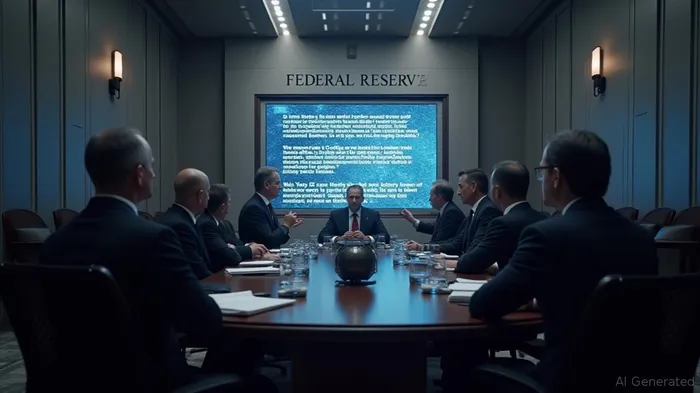
Beyond stablecoins, Federal Reserve officials are also reconsidering internal policies that limit staff interaction with digital assets. Vice Chair for Supervision Michelle Bowman has proposed that Fed staff be allowed to hold small amounts of crypto or digital assets to gain a practical understanding of their functionality. Currently, most Fed employees and their spouses are prohibited from holding crypto or related investments, a policy enacted after unusual trading activity among top officials in 2020 [4]. Bowman argued that this restriction could hinder the recruitment of skilled professionals and limit the Fed’s ability to effectively supervise the emerging digital assetDAAQ-- market [4]. She emphasized that understanding the technology firsthand is essential for crafting effective regulatory frameworks and that regulators should not adopt an overly cautious mindset toward innovation.
These developments reflect a broader shift in the Fed’s approach to digital assets under the Trump administration, which has shown a more crypto-friendly stance compared to its predecessor. The administration has taken steps to reduce regulatory burdens on the sector, including ending a supervision program for crypto and blockchain activities and directing regulators to investigate claims of “debanking” by the crypto industry [4]. These actions suggest a potential easing of regulatory pressure, which could encourage greater institutional adoption of cryptocurrencies and related technologies. However, such shifts also come with risks, particularly regarding the stability of the broader financial system. Centralized stablecoins, for instance, pose custodial, regulatory, and systemic risks if not managed properly. A failure of a major stablecoin could trigger widespread financial instability, especially in decentralized finance (DeFi) platforms that rely on these tokens for liquidity [3].
As the Fed continues to evaluate its role in the digital asset ecosystem, its decisions will have far-reaching implications for market participants, financial institutionsFISI--, and global regulatory frameworks. The integration of stablecoins and AI into the financial system is likely to drive efficiency, but it also necessitates a balanced approach that ensures safety and soundness while fostering innovation. The upcoming Jackson Hole symposium will offer further insight into the Fed’s stance on these issues, as Chair Jerome Powell is expected to address key challenges and opportunities in the evolving financial landscape [1].
Source:
[1] Fed minutes could show whether Waller and Bowman had ... (https://www.reuters.com/business/fed-minutes-could-show-whether-waller-bowman-had-company-favoring-rate-cuts-soon-2025-08-20/)
[2] Speech by Governor Waller on payments (https://www.federalreserve.gov/newsevents/speech/waller20250820a.htm)
[3] Centralized Stablecoins: Are They Worth the Hype? (https://www.onesafe.io/blog/risks-opportunities-stablecoins-financial-landscape)
[4] US Fed official: Staff should be allowed to hold a little crypto (https://cointelegraph.com/news/fed-staff-should-be-allowed-crypto-holdings-top-official)







Comentarios
Aún no hay comentarios