
The Fed's 50-Point Rate Cut: A Catalyst for Housing Market Revival?
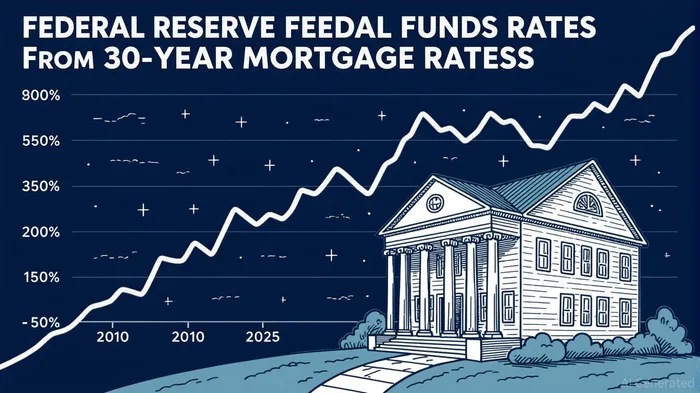
The 's potential 50-basis-point rate cut, if executed as projected in September 2024, could mark a pivotal turning point for the U.S. housing market. With inflation easing and labor market growth slowing, the Fed's shift toward aggressive easing has already begun to reshape mortgage rates and investor sentiment. This article examines how such a move could unlock a surge in housing demand and real estate investment opportunities, while also addressing the risks and nuances of interpreting central bank signals.
The Fed's : A Historical Precedent
The Fed's decision to cut rates by 50 basis points in September 2024—its largest move since the pandemic-era stimulus of 2020—reflects a recalibration of monetary policy to address a cooling economy. This shift is not arbitrary. The June 2025 FOMC dot plot projects a total of 50 basis points in cuts for 2025, . Such a trajectory mirrors historical patterns where large rate cuts have catalyzed housing market activity.
For example, the 2020 pandemic-era cuts, , . This triggered a wave of refinancing and home purchases, with housing starts surging 12 months later. Similarly, , a two-year low, . , suggesting further momentum in 2025.
Unlocking : Affordability and Investor Appetite
The Fed's easing cycle directly impacts housing affordability. . For instance, , . Over 30 years, . Such savings could incentivize first-time buyers and cash-strapped homeowners to enter the market, particularly in a post-pandemic environment where remote work and shifting demographics continue to drive demand for suburban and multifamily housing.
Investors, too, are recalibrating their strategies. Real estate investment trusts (REITs) and homebuilders have seen renewed interest as mortgage rates decline. For example, Lennar CorporationLEN-- (LEN), a major homebuilder, has historically outperformed during Fed easing cycles, . A similar pattern could emerge in 2025, .
Risks and Nuances: Beyond the Fed's Control
While the Fed's rate cuts are a powerful tool, they are not the sole determinant of mortgage rates or housing demand. Long-term Treasury yields, which influence mortgage rates, remain sensitive to inflation expectations and fiscal policy. For instance, , . This underscores the importance of monitoring broader economic indicators, such as core PCE inflation and unemployment trends, which could temper the Fed's easing trajectory.
Moreover, the housing market's response to rate cuts is constrained by structural supply issues. The U.S. , . While rate cuts can stimulate buyer activity, they cannot immediately resolve these supply-side bottlenecks.
Strategic
For investors, the Fed's easing cycle presents opportunities in sectors poised to benefit from rising housing demand:
1. Homebuilders and REITs: Companies like LennarLEN-- (LEN), D.R. Horton (DHI), .
2. Mortgage-Backed Securities (MBS).
3. Multifamily and Industrial Real Estate: With remote work trends persisting, demand for rental housing and logistics infrastructure is likely to remain robust, offering stable cash flows for long-term investors.
However, timing is critical. Investors should avoid overexposure to rate-sensitive assets if inflationary pressures resurface or the Fed pauses its easing cycle. A diversified approach, balancing growth-oriented real estate equities with defensive sectors like healthcare REITs, could mitigate risks.
Conclusion: A Delicate Balance
The Fed's 50-basis-point rate cut is a bold signal of its commitment to supporting the economy, but its impact on the housing market will depend on a delicate balance of factors. , . For investors, the key lies in aligning strategies with both the Fed's easing trajectory and the broader economic landscape, ensuring resilience in an environment of evolving risks.
As the Fed continues its recalibration, the coming months will test whether this easing cycle can deliver a "soft landing" for the housing market—or if deeper structural challenges will require more aggressive intervention. For now, the data suggests that the housing market is primed for a rebound, but patience and adaptability will remain essential for those seeking to capitalize on this pivotal moment.





Comentarios
Aún no hay comentarios