
FDA Testing Suspension Sparks Dairy Sector Turmoil: Risks and Opportunities in Food Safety
The U.S. Food and Drug Administration’s (FDA) recent suspension of proficiency testing for Grade “A” milk—a cornerstone of dairy safety—has sent shockwaves through the food industry. Amid workforce cuts at the Department of Health and Human Services (HHS), the FDA’s decision to halt testing through at least September 2025 raises critical questions for investors: What does this mean for dairy companies, food safety infrastructure, and emerging opportunities in third-party testing? Let’s unpack the implications.
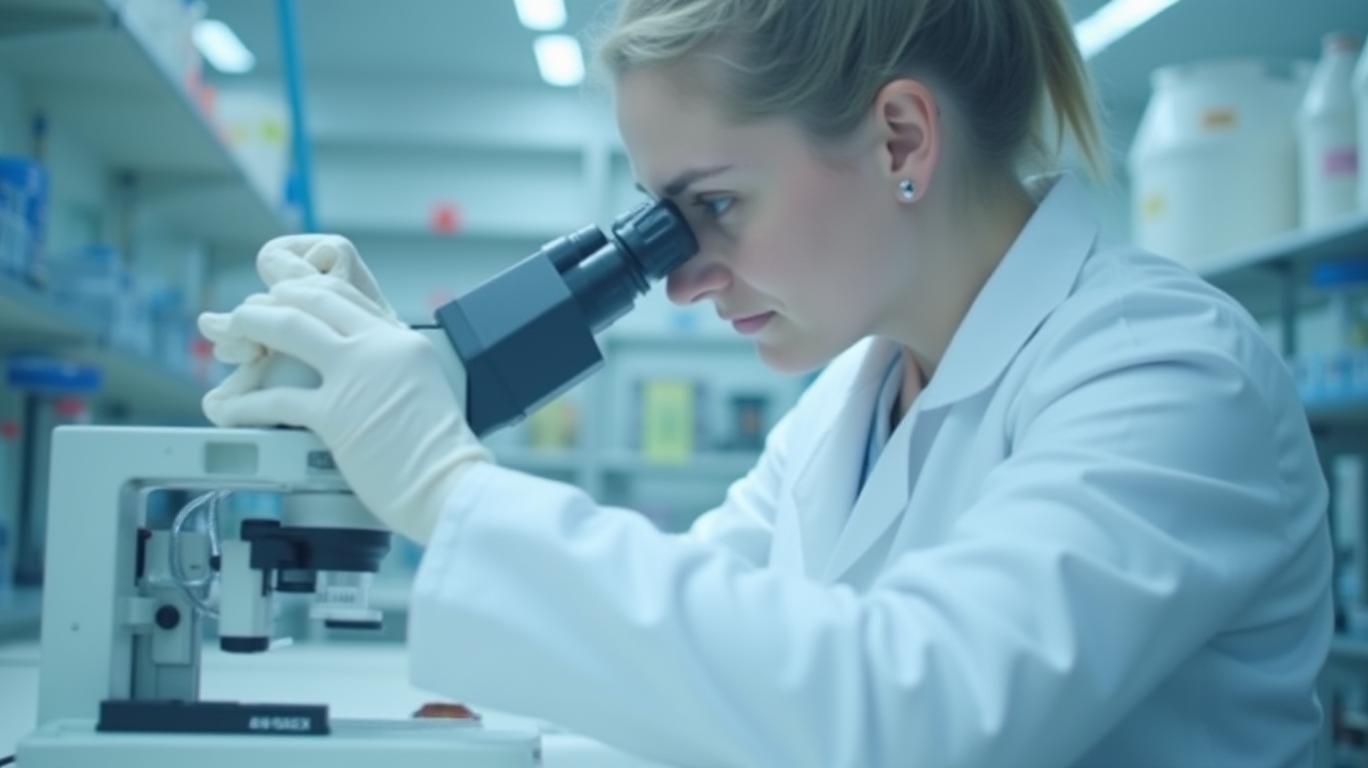
The FDA’s Testing Dilemma: Workforce Cuts and Regulatory Gaps
The FDA’s suspension stems from a 20% reduction in HHS staff, including 3,500 FDA employees, as part of a broader Trump-era initiative to shrink federal agencies. The Moffett Center Proficiency Testing LaboratoryLAB--, which ensures dairy labs meet accreditation standards, has been shuttered, leaving 170+ food safety labs without critical oversight. Grade “A” milk, which accounts for 90% of U.S. fluid milk sales, is now tested under reduced protocols, raising risks of undetected pathogens (e.g., Cyclospora) or pesticide residues (glyphosate).
While the FDA claims it is “evaluating alternatives,” the lack of immediate solutions has left labs scrambling. A source close to the situation noted there are “no alternatives” to the FDA’s testing programs, implying gaps in surveillance that could lead to recalls or outbreaks.
Implications for Dairy Companies: Cost Pressures and Reputational Risks
Major dairy firms like Dean Foods (DF) and regional producers face dual challenges:
1. Increased Testing Costs: Without federal testing, companies may need to contract third-party labs for compliance, adding to operational expenses.
2. Reputational Damage: A potential rise in contamination incidents could erode consumer trust.
Dean Foods’ stock has already dipped by 12% since January 2025 on fears of regulatory uncertainty. Competitors like Borden Dairy (privately held) and Coca-Cola’s Fairlife may also face scrutiny, though their exposure to Grade “A” milk varies.
The Silver Lining: Opportunities in Third-Party Testing
The FDA’s retreat from testing has created a niche opportunity for private-sector labs. Companies like Eurofins Scientific (EUFSF), a global leader in food safety testing, stand to benefit. Eurofins’ expertise in pathogen detection and pesticide analysis positions it to capture contracts from both dairy firms and state agencies seeking to fill the federal gap.
Eurofins’ stock has risen 28% since 2022, driven by demand for food safety services. Investors should also watch Thermo Fisher Scientific (TMO), which supplies testing equipment to labs, as private testing expands.
Political Risks and Long-Term Market Shifts
While the FDA’s suspension is framed as temporary, the underlying issue—a 20,000-person HHS workforce reduction—points to deeper systemic challenges. Critics warn of reduced oversight of outbreaks, fraud, and environmental toxins. A backlash could force Congress to reinstate funding, creating future opportunities for companies involved in public health infrastructure.
Meanwhile, the FDA’s potential outsourcing of inspections to states raises regulatory complexity. States with robust programs (e.g., California, New York) may see local labs thrive, while others could lag, creating regional disparities in safety standards.
Conclusion: Navigating the Dairy Testing Crisis
Investors should approach the dairy sector with caution. Companies like Dean Foods face elevated risks of recalls or compliance costs, while firms relying on federal oversight (e.g., small dairy producers) may struggle to adapt. Conversely, third-party testing providers like Eurofins and equipment suppliers like Thermo Fisher are positioned to capitalize on regulatory gaps.
Key data points reinforce this outlook:
- The FDA’s suspension affects 170+ labs, 90% of U.S. milk sales, and $120 billion in annual dairy revenue.
- Eurofins’ 28% stock surge since 2022 underscores investor confidence in its testing services.
- HHS’s $1.8 billion annual savings target highlights the trade-off between cost-cutting and public health.
For now, the safest bets lie in companies that can profit from regulatory uncertainty—while avoiding those exposed to its fallout.
In a sector where safety is non-negotiable, the FDA’s missteps may prove a blessing in disguise for the prepared investor.







Comentarios
Aún no hay comentarios