
FDA Resolves Semaglutide Injection Shortage: A Boon for Patients and Investors
Generado por agente de IAWesley Park
viernes, 21 de febrero de 2025, 9:33 am ET1 min de lectura
GLP--
The U.S. Food and Drug Administration (FDA) has announced that the shortage of semaglutide injections, used to treat type 2 diabetes and obesity, has been resolved as of February 21, 2025. This news comes as a relief to patients and investors alike, as the shortage had led to treatment interruptions and market uncertainty. In this article, we will explore the implications of this resolution on patient access, market dynamics, and investment opportunities in the GLP-1 receptor agonist market.
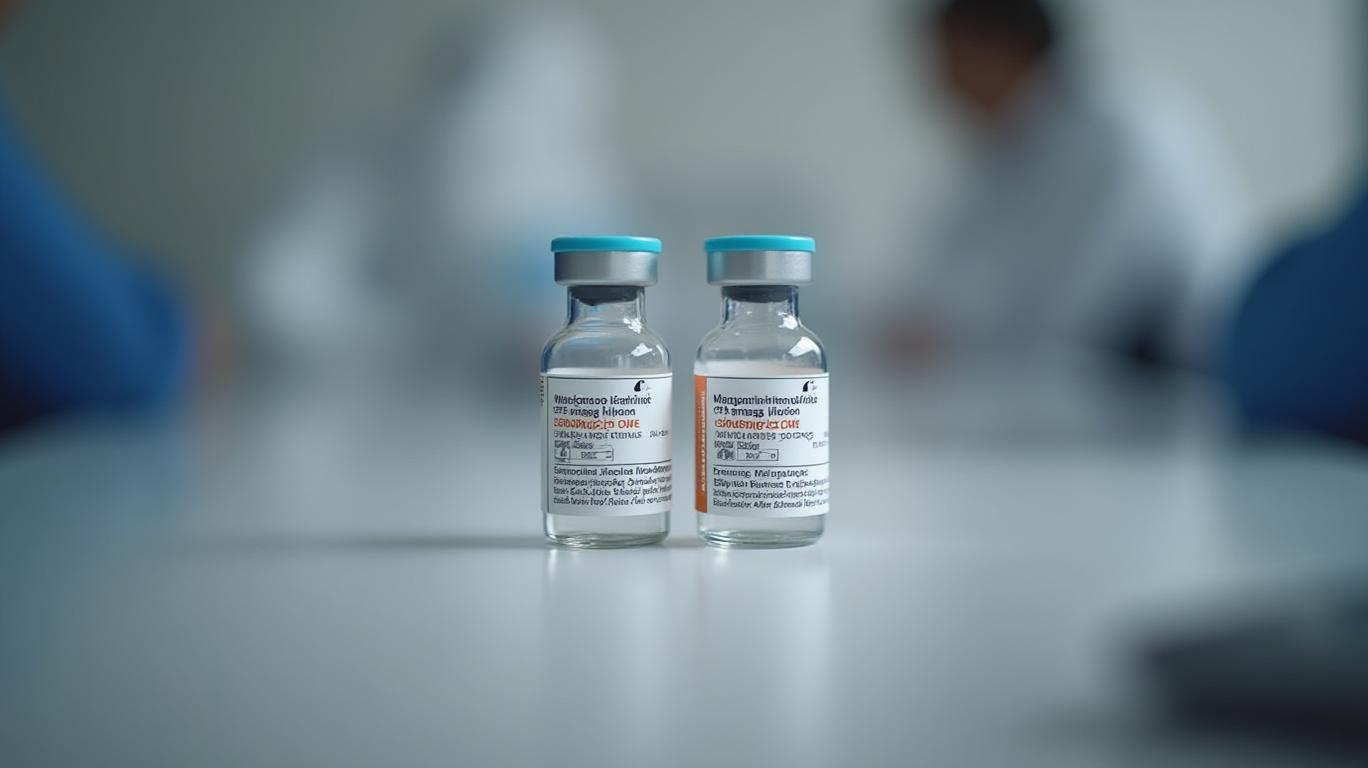
The semaglutide injection shortage, which began in late 2024, was primarily caused by increased demand and supply chain disruptions. This shortage led to a temporary scarcity of Ozempic and Rybelsus, two popular semaglutide-based medications manufactured by Novo Nordisk. As a result, patients and healthcare providers faced challenges in accessing these essential treatments, while key players in the GLP-1 receptor agonist market had to adapt their pricing strategies and market positioning.
With the resolution of the shortage, market dynamics are expected to shift once again. Key players, such as Novo Nordisk, Eli Lilly, and Sanofi, will likely regain their market share as patients and healthcare providers return to their preferred treatments. Additionally, the resolution of the shortage may lead to increased competition among key players, as they strive to maintain market share and attract new patients.

The resolution of the semaglutide injection shortage also presents investment opportunities for those looking to capitalize on the growing GLP-1 receptor agonist market. As the market expands and key players regain their market share, investors can expect to see increased revenue and profitability for these companies. Moreover, the resolution of the shortage may lead to increased innovation and product development in the GLP-1 receptor agonist market, as key players seek to differentiate themselves and maintain their competitive edge.
In conclusion, the resolution of the semaglutide injection shortage is a positive development for patients and investors in the GLP-1 receptor agonist market. As market dynamics shift and key players regain their market share, investors can expect to see increased revenue and profitability for these companies. Moreover, the resolution of the shortage may lead to increased innovation and product development in the GLP-1 receptor agonist market, as key players seek to differentiate themselves and maintain their competitive edge.
NVO--
WTRG--
The U.S. Food and Drug Administration (FDA) has announced that the shortage of semaglutide injections, used to treat type 2 diabetes and obesity, has been resolved as of February 21, 2025. This news comes as a relief to patients and investors alike, as the shortage had led to treatment interruptions and market uncertainty. In this article, we will explore the implications of this resolution on patient access, market dynamics, and investment opportunities in the GLP-1 receptor agonist market.
The semaglutide injection shortage, which began in late 2024, was primarily caused by increased demand and supply chain disruptions. This shortage led to a temporary scarcity of Ozempic and Rybelsus, two popular semaglutide-based medications manufactured by Novo Nordisk. As a result, patients and healthcare providers faced challenges in accessing these essential treatments, while key players in the GLP-1 receptor agonist market had to adapt their pricing strategies and market positioning.
With the resolution of the shortage, market dynamics are expected to shift once again. Key players, such as Novo Nordisk, Eli Lilly, and Sanofi, will likely regain their market share as patients and healthcare providers return to their preferred treatments. Additionally, the resolution of the shortage may lead to increased competition among key players, as they strive to maintain market share and attract new patients.
The resolution of the semaglutide injection shortage also presents investment opportunities for those looking to capitalize on the growing GLP-1 receptor agonist market. As the market expands and key players regain their market share, investors can expect to see increased revenue and profitability for these companies. Moreover, the resolution of the shortage may lead to increased innovation and product development in the GLP-1 receptor agonist market, as key players seek to differentiate themselves and maintain their competitive edge.
In conclusion, the resolution of the semaglutide injection shortage is a positive development for patients and investors in the GLP-1 receptor agonist market. As market dynamics shift and key players regain their market share, investors can expect to see increased revenue and profitability for these companies. Moreover, the resolution of the shortage may lead to increased innovation and product development in the GLP-1 receptor agonist market, as key players seek to differentiate themselves and maintain their competitive edge.

Divulgación editorial y transparencia de la IA: Ainvest News utiliza tecnología avanzada de Modelos de Lenguaje Largo (LLM) para sintetizar y analizar datos de mercado en tiempo real. Para garantizar los más altos estándares de integridad, cada artículo se somete a un riguroso proceso de verificación con participación humana.
Mientras la IA asiste en el procesamiento de datos y la redacción inicial, un miembro editorial profesional de Ainvest revisa, verifica y aprueba de forma independiente todo el contenido para garantizar su precisión y cumplimiento con los estándares editoriales de Ainvest Fintech Inc. Esta supervisión humana está diseñada para mitigar las alucinaciones de la IA y garantizar el contexto financiero.
Advertencia sobre inversiones: Este contenido se proporciona únicamente con fines informativos y no constituye asesoramiento profesional de inversión, legal o financiero. Los mercados conllevan riesgos inherentes. Se recomienda a los usuarios que realicen una investigación independiente o consulten a un asesor financiero certificado antes de tomar cualquier decisión. Ainvest Fintech Inc. se exime de toda responsabilidad por las acciones tomadas con base en esta información. ¿Encontró un error? Reportar un problema




Comentarios
Aún no hay comentarios