
FDA Bans Red Dye No. 3 Effective January 2027, Cites Cancer Risks: Food Stocks To Watch
Generado por agente de IAMarcus Lee
miércoles, 15 de enero de 2025, 1:04 pm ET3 min de lectura
SXT--
The U.S. Food and Drug Administration (FDA) has announced a ban on the use of Red Dye No. 3 in food products, effective January 2027. The decision, based on the Delaney Clause of the Federal Food, Drug, and Cosmetic Act, comes after a 2022 petition from health groups and advocates citing links between the dye and cancer in animals. This move has significant implications for food manufacturers and consumers alike, as Red Dye No. 3 is a widely used synthetic food coloring agent.
The FDA's decision to revoke the authorization for Red Dye No. 3 is a matter of law, as the Delaney Clause prohibits the agency from approving a color additive that is ingested if it causes cancer in animals or humans when ingested. While studies in other animals and humans did not show this link, the FDA is required to act based on the available scientific information. The agency has stated that relevant exposure levels to FD&C Red No. 3 for humans are typically much lower than those that cause the effects shown in male rats, and claims that the use of FD&C Red No. 3 in food and ingested drugs puts people at risk are not supported by the available scientific information.
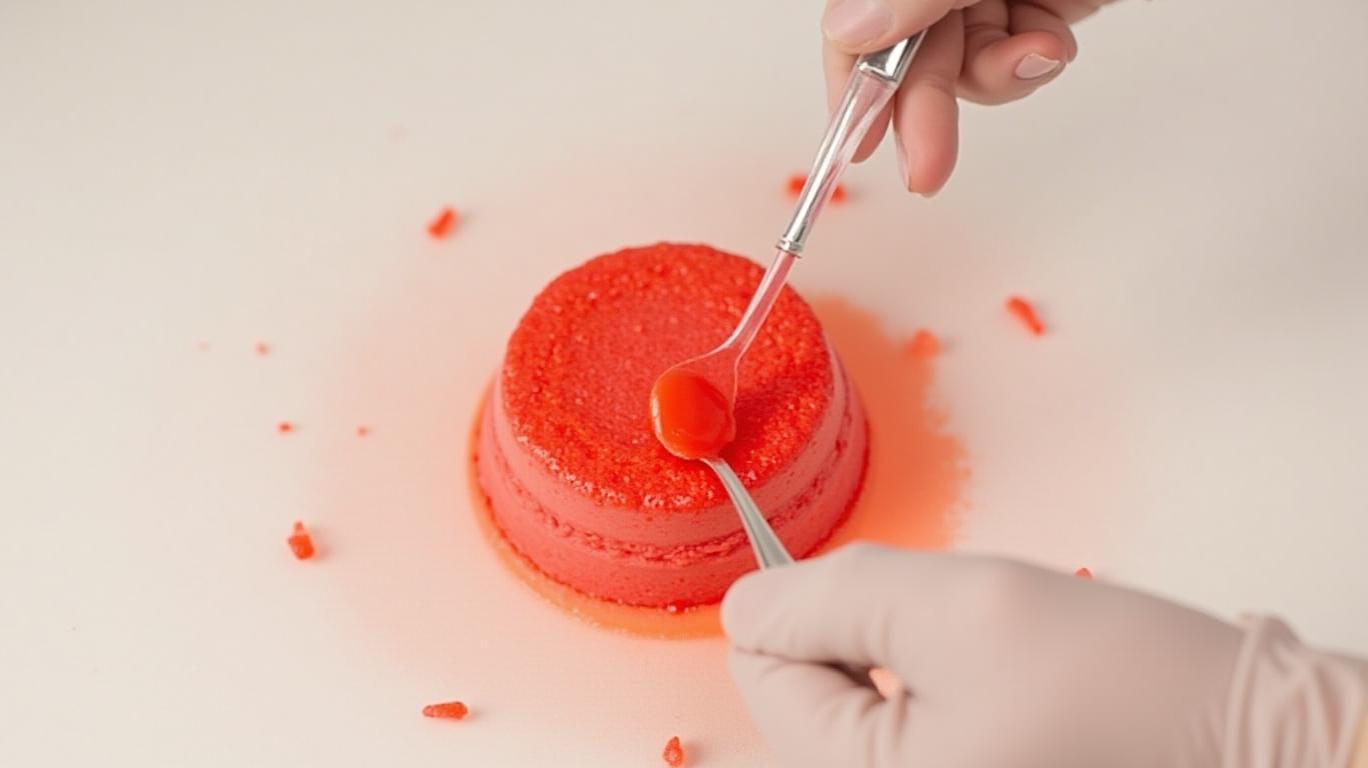
The ban on Red Dye No. 3 will impact the financial performance of food companies in several ways. First, companies that use Red Dye No. 3 in their products will need to reformulate their recipes, which may involve additional costs for research and development, sourcing alternative ingredients, and potential changes in production processes. Second, the transition period for food manufacturers to remove Red Dye No. 3 from their products may lead to temporary disruptions in production and supply chains, potentially affecting sales and revenue. Third, the ban may also have an impact on the pricing of affected products. If the alternative ingredients are more expensive than Red Dye No. 3, companies may need to increase the prices of their products to maintain their profit margins. However, if consumers are willing to pay a premium for products without Red Dye No. 3, this could potentially lead to increased sales and revenue.
Based on the information provided, the following food stocks are most exposed to the use of Red Dye No. 3 and will need to adapt their products:
1. Ferrara: A candy company that produces Brach's candies. Although fewer than 10% of their products contain Red Dye No. 3, they will still need to reformulate those products by January 2027. A Ferrara spokesperson confirmed that the company began phasing out the use of Red Dye No. 3 in early 2023.
2. Just Born: The company behind PEEPS marshmallow candies. Just Born stopped using Red Dye No. 3 in its production after Easter of 2024, according to a spokesperson.
These companies will need to adapt by replacing Red Dye No. 3 with alternative food coloring agents. Some possible alternatives include beet juice, carmine (a dye made from insects), and pigments from foods such as purple sweet potato, radish, and red cabbage. These alternatives are already being used by some food manufacturers, as mentioned by Sensient Food Colors, a St. Louis-based supplier of food colors and flavorings.
The ban on Red Dye No. 3 will have several impacts on the broader food industry and consumer behavior. First, food manufacturers will have until January 2027 to remove Red Dye No. 3 from their products, which will require them to reformulate their recipes. This may involve additional costs and time, and some companies have already started the process. Second, the shift to alternatives may lead to changes in product taste, texture, and appearance, which could affect consumer preferences. Third, the reformulation process and shift to alternative colorants may lead to increased production costs, potentially resulting in higher prices for certain products, especially in the short term. Fourth, the ban may raise consumer awareness about food additives and their potential health impacts, leading to increased demand for products with natural or "clean" ingredients. Finally, the ban may prompt discussions about the safety of other food additives and the FDA's regulatory processes.
In conclusion, the ban on Red Dye No. 3 will have significant impacts on the food industry, including product reformulation, shifts to alternative colorants, potential price increases, and changes in consumer behavior. Food stocks most exposed to the use of Red Dye No. 3 will need to adapt their products and strategies to comply with the upcoming ban. The broader implications of the ban may also prompt discussions about the safety of other food additives and the FDA's regulatory processes. Investors should closely monitor the situation and consider the potential impacts on their portfolios.
The U.S. Food and Drug Administration (FDA) has announced a ban on the use of Red Dye No. 3 in food products, effective January 2027. The decision, based on the Delaney Clause of the Federal Food, Drug, and Cosmetic Act, comes after a 2022 petition from health groups and advocates citing links between the dye and cancer in animals. This move has significant implications for food manufacturers and consumers alike, as Red Dye No. 3 is a widely used synthetic food coloring agent.
The FDA's decision to revoke the authorization for Red Dye No. 3 is a matter of law, as the Delaney Clause prohibits the agency from approving a color additive that is ingested if it causes cancer in animals or humans when ingested. While studies in other animals and humans did not show this link, the FDA is required to act based on the available scientific information. The agency has stated that relevant exposure levels to FD&C Red No. 3 for humans are typically much lower than those that cause the effects shown in male rats, and claims that the use of FD&C Red No. 3 in food and ingested drugs puts people at risk are not supported by the available scientific information.
The ban on Red Dye No. 3 will impact the financial performance of food companies in several ways. First, companies that use Red Dye No. 3 in their products will need to reformulate their recipes, which may involve additional costs for research and development, sourcing alternative ingredients, and potential changes in production processes. Second, the transition period for food manufacturers to remove Red Dye No. 3 from their products may lead to temporary disruptions in production and supply chains, potentially affecting sales and revenue. Third, the ban may also have an impact on the pricing of affected products. If the alternative ingredients are more expensive than Red Dye No. 3, companies may need to increase the prices of their products to maintain their profit margins. However, if consumers are willing to pay a premium for products without Red Dye No. 3, this could potentially lead to increased sales and revenue.
Based on the information provided, the following food stocks are most exposed to the use of Red Dye No. 3 and will need to adapt their products:
1. Ferrara: A candy company that produces Brach's candies. Although fewer than 10% of their products contain Red Dye No. 3, they will still need to reformulate those products by January 2027. A Ferrara spokesperson confirmed that the company began phasing out the use of Red Dye No. 3 in early 2023.
2. Just Born: The company behind PEEPS marshmallow candies. Just Born stopped using Red Dye No. 3 in its production after Easter of 2024, according to a spokesperson.
These companies will need to adapt by replacing Red Dye No. 3 with alternative food coloring agents. Some possible alternatives include beet juice, carmine (a dye made from insects), and pigments from foods such as purple sweet potato, radish, and red cabbage. These alternatives are already being used by some food manufacturers, as mentioned by Sensient Food Colors, a St. Louis-based supplier of food colors and flavorings.
The ban on Red Dye No. 3 will have several impacts on the broader food industry and consumer behavior. First, food manufacturers will have until January 2027 to remove Red Dye No. 3 from their products, which will require them to reformulate their recipes. This may involve additional costs and time, and some companies have already started the process. Second, the shift to alternatives may lead to changes in product taste, texture, and appearance, which could affect consumer preferences. Third, the reformulation process and shift to alternative colorants may lead to increased production costs, potentially resulting in higher prices for certain products, especially in the short term. Fourth, the ban may raise consumer awareness about food additives and their potential health impacts, leading to increased demand for products with natural or "clean" ingredients. Finally, the ban may prompt discussions about the safety of other food additives and the FDA's regulatory processes.
In conclusion, the ban on Red Dye No. 3 will have significant impacts on the food industry, including product reformulation, shifts to alternative colorants, potential price increases, and changes in consumer behavior. Food stocks most exposed to the use of Red Dye No. 3 will need to adapt their products and strategies to comply with the upcoming ban. The broader implications of the ban may also prompt discussions about the safety of other food additives and the FDA's regulatory processes. Investors should closely monitor the situation and consider the potential impacts on their portfolios.

Divulgación editorial y transparencia de la IA: Ainvest News utiliza tecnología avanzada de Modelos de Lenguaje Largo (LLM) para sintetizar y analizar datos de mercado en tiempo real. Para garantizar los más altos estándares de integridad, cada artículo se somete a un riguroso proceso de verificación con participación humana.
Mientras la IA asiste en el procesamiento de datos y la redacción inicial, un miembro editorial profesional de Ainvest revisa, verifica y aprueba de forma independiente todo el contenido para garantizar su precisión y cumplimiento con los estándares editoriales de Ainvest Fintech Inc. Esta supervisión humana está diseñada para mitigar las alucinaciones de la IA y garantizar el contexto financiero.
Advertencia sobre inversiones: Este contenido se proporciona únicamente con fines informativos y no constituye asesoramiento profesional de inversión, legal o financiero. Los mercados conllevan riesgos inherentes. Se recomienda a los usuarios que realicen una investigación independiente o consulten a un asesor financiero certificado antes de tomar cualquier decisión. Ainvest Fintech Inc. se exime de toda responsabilidad por las acciones tomadas con base en esta información. ¿Encontró un error? Reportar un problema


SOBRE NOSOTROS
Nuestra historiaAutores de noticiasBase de conocimientosPolítica de privacidadTérmino de usoDescargo de responsabilidad de corretaje de tercerosTérminos de uso de AIMEDivulgaciones de riesgos de AInvest AICarrerasCONTÁCTENOS
Email: support@ainvest.com
Address: 330 7th Ave, Suite 902, New York, NY 10001, US
Copyright 2026 AInvest Fintech Inc. All rights reserved.


Comentarios
Aún no hay comentarios