
The U.S. Has More Fancy Apartments Than It Is Able to Fill
Generado por agente de IAWesley Park
sábado, 11 de enero de 2025, 8:55 am ET1 min de lectura
MCB--
As I strolled through the bustling streets of downtown Manhattan, I couldn't help but notice the sheer number of luxury apartment buildings that seemed to have sprung up overnight. The gleaming glass facades, the lush amenities, and the sky-high rents were a stark reminder of the ongoing trend in the U.S. multifamily market: the oversupply of luxury apartments.
According to data from the Census Bureau, the U.S. built 438,500 new apartment units in 2023, marking the highest number of annual completions since 1987. However, a significant portion of these new units are luxury apartments, catering to the high-end market. In the first half of 2023 alone, there was a record construction of luxury apartment units, with an unprecedented 200,000 units built, surpassing the previous six-month record by 25,000.
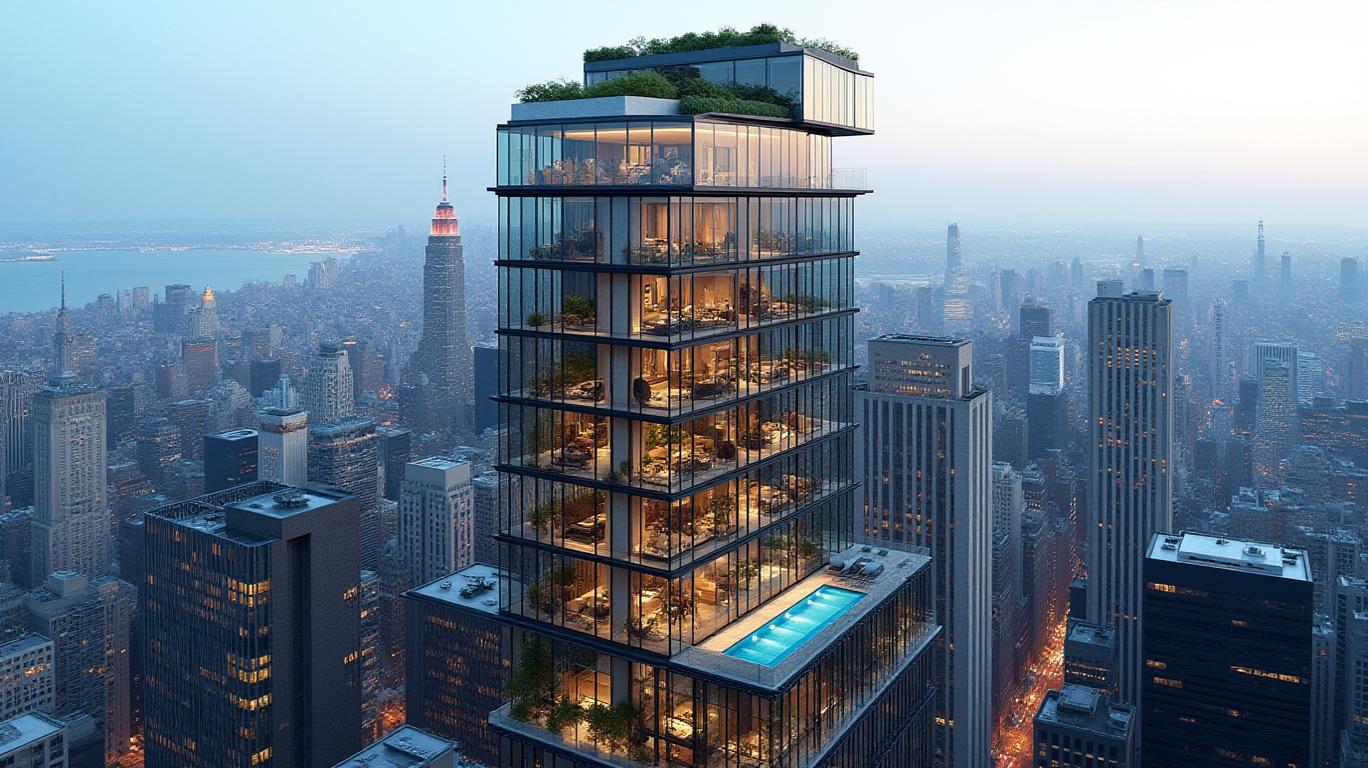
The demand for luxury apartments has been fueled by several factors, including the escalating housing prices and increasing mortgage rates, which have positioned luxury apartments as a more viable option for many. Additionally, the high barrier to homeownership, particularly among millennials, has contributed to the popularity of luxury apartments. This demographic often prefers the flexibility and luxury offered by such apartments, leading to a surge in demand.
However, the supply of luxury apartments has outpaced demand in many markets, leading to an oversupply situation. In densely populated metropolitan areas with high homeownership barriers, such as Boston, Chicago, New York City, Seattle-Tacoma, and Washington, D.C., the stability of Class A vacancy rates has contributed to the oversupply trend. Similarly, regions like Northern New Jersey, West Palm Beach, Reno, and Sacramento have benefited from discounted rents, further fueling the demand for luxury apartments.
As a real estate investor, I have witnessed firsthand the challenges posed by the oversupply of luxury apartments. Developers and investors must adapt their strategies to mitigate the risk of oversupply and create more resilient and attractive properties for tenants. Some potential solutions include diversifying the market by including a mix of unit types and price points, targeting specific niches within the luxury market, focusing on sustainability and green features, and adapting to changing consumer preferences.
In conclusion, the U.S. multifamily market is currently grappling with an oversupply of luxury apartments, driven by factors such as high demand, escalating housing prices, and the barrier to homeownership. Developers and investors must innovate and adapt their strategies to address this challenge and create more balanced and sustainable multifamily markets.
WEST--
As I strolled through the bustling streets of downtown Manhattan, I couldn't help but notice the sheer number of luxury apartment buildings that seemed to have sprung up overnight. The gleaming glass facades, the lush amenities, and the sky-high rents were a stark reminder of the ongoing trend in the U.S. multifamily market: the oversupply of luxury apartments.
According to data from the Census Bureau, the U.S. built 438,500 new apartment units in 2023, marking the highest number of annual completions since 1987. However, a significant portion of these new units are luxury apartments, catering to the high-end market. In the first half of 2023 alone, there was a record construction of luxury apartment units, with an unprecedented 200,000 units built, surpassing the previous six-month record by 25,000.
The demand for luxury apartments has been fueled by several factors, including the escalating housing prices and increasing mortgage rates, which have positioned luxury apartments as a more viable option for many. Additionally, the high barrier to homeownership, particularly among millennials, has contributed to the popularity of luxury apartments. This demographic often prefers the flexibility and luxury offered by such apartments, leading to a surge in demand.
However, the supply of luxury apartments has outpaced demand in many markets, leading to an oversupply situation. In densely populated metropolitan areas with high homeownership barriers, such as Boston, Chicago, New York City, Seattle-Tacoma, and Washington, D.C., the stability of Class A vacancy rates has contributed to the oversupply trend. Similarly, regions like Northern New Jersey, West Palm Beach, Reno, and Sacramento have benefited from discounted rents, further fueling the demand for luxury apartments.
As a real estate investor, I have witnessed firsthand the challenges posed by the oversupply of luxury apartments. Developers and investors must adapt their strategies to mitigate the risk of oversupply and create more resilient and attractive properties for tenants. Some potential solutions include diversifying the market by including a mix of unit types and price points, targeting specific niches within the luxury market, focusing on sustainability and green features, and adapting to changing consumer preferences.
In conclusion, the U.S. multifamily market is currently grappling with an oversupply of luxury apartments, driven by factors such as high demand, escalating housing prices, and the barrier to homeownership. Developers and investors must innovate and adapt their strategies to address this challenge and create more balanced and sustainable multifamily markets.

Divulgación editorial y transparencia de la IA: Ainvest News utiliza tecnología avanzada de Modelos de Lenguaje Largo (LLM) para sintetizar y analizar datos de mercado en tiempo real. Para garantizar los más altos estándares de integridad, cada artículo se somete a un riguroso proceso de verificación con participación humana.
Mientras la IA asiste en el procesamiento de datos y la redacción inicial, un miembro editorial profesional de Ainvest revisa, verifica y aprueba de forma independiente todo el contenido para garantizar su precisión y cumplimiento con los estándares editoriales de Ainvest Fintech Inc. Esta supervisión humana está diseñada para mitigar las alucinaciones de la IA y garantizar el contexto financiero.
Advertencia sobre inversiones: Este contenido se proporciona únicamente con fines informativos y no constituye asesoramiento profesional de inversión, legal o financiero. Los mercados conllevan riesgos inherentes. Se recomienda a los usuarios que realicen una investigación independiente o consulten a un asesor financiero certificado antes de tomar cualquier decisión. Ainvest Fintech Inc. se exime de toda responsabilidad por las acciones tomadas con base en esta información. ¿Encontró un error? Reportar un problema




Comentarios
Aún no hay comentarios