
Fan Culture and Economic Impact of Comic-Con as a Growing Niche Investment Sector
The Economic Engine of Comic-Con
San Diego Comic-Con's economic footprint extends far beyond the convention floor. According to a report by Dentsu, , generating a ripple effect that boosted downtown San Diego's businesses by an estimated $160 million. This figure is not merely a reflection of ticket sales but a testament to the event's ability to catalyze spending across hospitality, retail, and entertainment. For 2026, experts anticipate a similar or higher impact, given the growing trend of event-driven consumerism.
Local businesses, from hotels to restaurants, have become integral to Comic-Con's economic ecosystem. The convention's timing-coinciding with a major summer travel period-amplifies its influence, creating a seasonal surge in revenue. As stated by a 10News analysis, . For investors, this consistency is a rare asset in an otherwise volatile market.
Brand Monetization: Beyond Merchandise
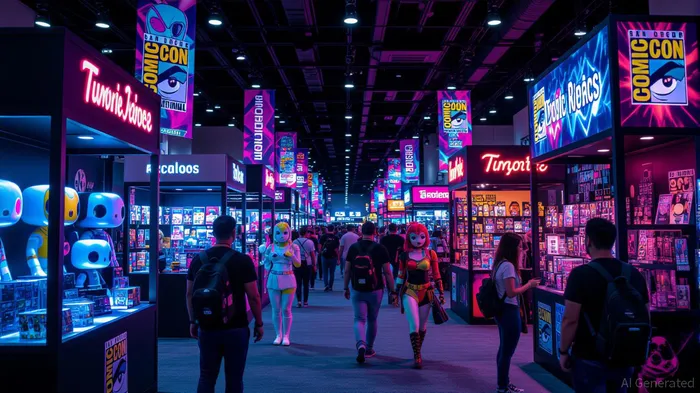
Comic-Con has become a proving ground for brands seeking to monetize pop culture. Companies like BoxLunch and FunkoFNKO-- have mastered the art of leveraging exclusive, limited-edition products to drive urgency and premium pricing according to LicenseGlobal insights. These strategies are not confined to physical goods; immersive pop-up experiences and interactive storytelling campaigns further deepen consumer engagement.
The 2025 event demonstrated that brands can achieve significant ROI by aligning with Comic-Con's ethos of community and creativity. For instance, within hours, generating both immediate revenue and long-term brand loyalty. Such case studies highlight the event's potential as a platform for high-margin, high-impact marketing.
The Creator Economy's Hidden Goldmine
Comic-Con also serves as a launchpad for independent creators and small businesses. The event's emphasis on storytelling and innovation provides a stage for emerging artists, writers, and designers to monetize their work. LicenseGlobal notes that 2025 saw a surge in creator-driven partnerships, with platforms like Kickstarter and Patreon leveraging Comic-Con's audience to fund new projects.
This democratization of content creation is reshaping the investment landscape. Unlike traditional entertainment sectors, which rely on blockbuster models, Comic-Con's ecosystem rewards niche creativity and direct-to-fan engagement. For and angel investors, this represents a shift toward decentralized, community-backed value creation.
Strategic Considerations for Investors
While Comic-Con's financial potential is clear, investors must navigate challenges such as event saturation and shifting consumer preferences. However, the 2026 edition's focus on hybrid digital-physical experiences and sustainability initiatives suggests a forward-looking approach. Brands and platforms that integrate these trends-such as NFT-based collectibles or eco-friendly merchandise-could capture a new wave of consumer spending.
Moreover, the event's ability to influence broader market trends cannot be overlooked. For example, . , such as Hasbro (HAS) or Warner Bros. Discovery (WBD), while also exploring emerging players in the creator economy.
Conclusion
San Diego Comic-Con 2026 is more than a celebration of pop culture-it is a microcosm of the modern consumer and creator economies. By analyzing its economic impact, brand monetization strategies, and creator-driven innovation, investors can identify opportunities in a sector that blends passion with profit. As the lines between fandom and finance blur, Comic-Con stands as a beacon for those willing to invest in the stories that shape our world.





Comentarios
Aún no hay comentarios