
The Fall of Lion Electric: A Cautionary Tale in Quebec’s EV Ambitions
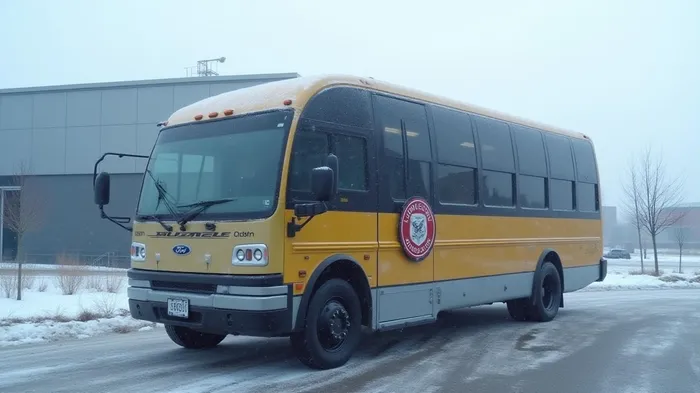
The collapse of Lion ElectricLION--, Quebec’s once-heralded electric school bus and commercial vehicle manufacturer, marks a pivotal moment in the province’s aggressive push to dominate the global electric vehicle (EV) market. After years of government support and ambitious growth plans, the company filed for creditor protection under Canada’s Companies’ Creditors Arrangement Act (CCAA) in January 2025, leaving its fate in the hands of bankruptcy courts and lenders. The Quebec government’s refusal to provide further financial aid, despite prior investments totaling $177 million, underscores a stark reality: even with public backing, EV startups face immense risks in a fiercely competitive and rapidly evolving industry.
The Precipice: Financial and Operational Missteps
Lion’s downfall began with a cascade of poor decisions and external pressures. By September 2024, the company owed $392 million in debt, while its sales plummeted from $80 million in 2023 to just $31 million the following year. A 64% drop in vehicle deliveries and delays in government subsidy programs exacerbated liquidity crises. Overextension was another critical flaw: Lion simultaneously developed school buses, trucks, and specialty vehicles, diverting resources without securing sufficient market demand.
Workforce reductions—cutting staff from 1,400 in 2022 to ~300 by early 2025—and the suspension of operations at its Illinois plant and Quebec battery facility further eroded its operational stability. A fire on one of its school buses in Ontario, unresolved technical defects reported in Maine, and a former technician’s damning assessment that the buses were “more like a science project” highlighted systemic quality control failures.
Why the Government Stood Back
The Quebec government’s decision to let Lion’s bankruptcy proceed without further intervention was not arbitrary. Key factors include:
- Accountability for Prior Commitments: After injecting $177 million and leveraging federal funds, the government demanded proof of turnaround. When Lion missed a December 2024 court-ordered deadline to secure a buyer or restructuring plan, Ottawa and Quebec refused additional bailouts.
- Market-Driven Restructuring: The government adhered to Canada’s CCAA process, allowing courts—not taxpayers—to oversee bids and asset sales. By March 2025, Lion’s creditor protection extension to April 4 prioritized finding a buyer through open auctions.
- Risk of Legal and Ethical Backlash: Over 336 investor complaints alleged financial misrepresentation, with class-action lawsuits and U.S. securities fraud investigations pending. Intervening could have exposed Quebec to accusations of propping up a potentially fraudulent enterprise.
The Broader EV Landscape: Risks and Realities
Lion’s collapse is not an isolated incident. The Quebec EV sector faces headwinds:
- Northvolt’s Bankruptcy: A key battery partner filed for bankruptcy in late 2024, disrupting supply chains.
- Global Competition: U.S. and Chinese firms dominate EV markets, squeezing smaller players like Lion.
- Supply Chain Volatility: Battery shortages and trade tensions have slowed production timelines.
This stark contrast highlights the chasm between Lion’s ambitions and the realities of scaling an EV business.
Lessons for Investors: Proceed with Caution
Lion’s story serves as a warning for investors in the EV sector:
- Focus on Financial Prudence: Companies with high debt-to-equity ratios and volatile revenue streams face existential risks.
- Assess Operational Focus: Diversifying product lines too quickly can strain resources. Tesla (TSLA), by contrast, maintained discipline in scaling its core vehicles before expanding into trucks and Cybertrucks.
- Monitor Regulatory and Legal Risks: Product safety failures and financial transparency are critical. Lion’s unresolved EPA investigations and investor lawsuits underscore the importance of robust quality control and governance.
Conclusion: A Crossroads for Quebec’s EV Dreams
The Quebec government’s hands-off approach to Lion’s bankruptcy reflects a strategic pivot toward market discipline and accountability. While Lion’s collapse is a setback, it does not spell the end of Quebec’s EV ambitions. The province continues to attract investments, such as General Motors’ $1 billion cathode plant and partnerships with Northvolt (despite its own struggles). However, investors must recognize that even well-funded EV ventures face immense hurdles, including supply chain fragility, regulatory scrutiny, and cutthroat global competition.
Lion’s journey—from a $4.2 billion darling of the green tech boom to a delisted shell with $57 million in market cap—is a cautionary tale. As Quebec’s EV sector evolves, success will hinge on companies that prioritize sustainable finances, focused execution, and unimpeachable product quality. For now, the province’s EV ambitions remain alive, but they demand a hard look at the lessons of Lion’s fall.







Comentarios
Aún no hay comentarios