
FAA to Review 737 MAX Engine Issue After Bird Strike Incidents
Generado por agente de IAWesley Park
jueves, 21 de noviembre de 2024, 7:02 pm ET2 min de lectura
BA--
LUV--
The Federal Aviation Administration (FAA) has announced its intention to convene a Corrective Action Review Board to examine the safety risks posed by engine issues on Boeing 737 MAX aircraft following two recent bird strike incidents. This move comes as the agency seeks to address the potential for smoke ingestion in the event of an engine hit by a bird, which could lead to safety risks for passengers and crew.
The FAA's decision to review the 737 MAX engine issue is a response to two serious incidents involving Southwest Airlines MAX aircraft. In March 2023, a bird strike on a flight taking off from Havana, Cuba, caused smoke to pour into the passenger cabin. Similarly, in December 2023, a bird strike on a flight departing from New Orleans resulted in smoke entering the cockpit. In both cases, the pilots safely made emergency landings, but the incidents highlighted the need for further review and potential changes to operating procedures.
The FAA is considering a temporary accommodation, such as an Airworthiness Directive, to require pilots to take off with the air flow from the main engines into the aircraft's interior turned off. This measure aims to prevent smoke ingestion if one of the engines is hit by a bird. However, changing standard pilot takeoff procedures must be done carefully to avoid unintended consequences.
Boeing and engine-maker CFM International are expected to collaborate on developing a permanent fix for the 737 MAX engine issue. The FAA's assessment of the risks and potential solutions is ongoing, and the agency will consider various factors to ensure the safety of passengers and crew.
The FAA's review of the 737 MAX engine issue has significant implications for the certification of the MAX 7 and MAX 10 models. The proposed temporary fix could further delay the certification of these models until Boeing and CFM International develop a permanent solution. The FAA's action indicates unease about the current standard checklist's sufficiency in addressing the risk of smoke ingestion in case of an engine hit by a bird.
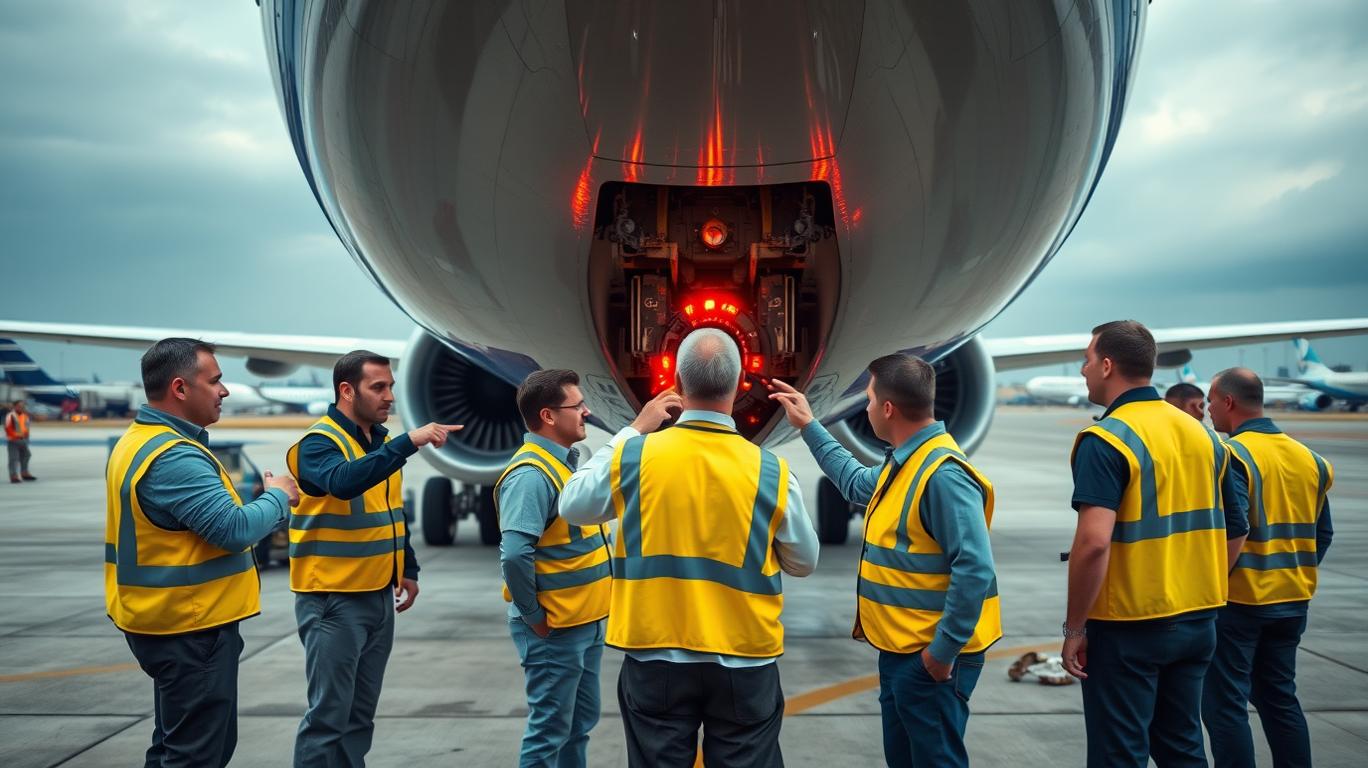
As the FAA convenes the Corrective Action Review Board, it will be crucial for the agency to assess the potential operational impacts of temporarily turning off bleed air during takeoff. While this measure could mitigate the risk of smoke ingestion, it may also impact passenger comfort and cabin altitude. The FAA must carefully weigh these trade-offs and ensure that any temporary measure does not introduce new risks, such as increased pilot workload during a critical phase of flight.
In conclusion, the FAA's decision to review the 737 MAX engine issue is a proactive step towards ensuring the safety of passengers and crew. As the agency works to address the potential risks posed by engine issues, it is essential for Boeing and CFM International to collaborate on developing a permanent fix. The FAA's assessment of the risks and potential solutions will have significant implications for the certification of the MAX 7 and MAX 10 models, as well as the broader aviation industry.
The FAA's decision to review the 737 MAX engine issue is a response to two serious incidents involving Southwest Airlines MAX aircraft. In March 2023, a bird strike on a flight taking off from Havana, Cuba, caused smoke to pour into the passenger cabin. Similarly, in December 2023, a bird strike on a flight departing from New Orleans resulted in smoke entering the cockpit. In both cases, the pilots safely made emergency landings, but the incidents highlighted the need for further review and potential changes to operating procedures.
The FAA is considering a temporary accommodation, such as an Airworthiness Directive, to require pilots to take off with the air flow from the main engines into the aircraft's interior turned off. This measure aims to prevent smoke ingestion if one of the engines is hit by a bird. However, changing standard pilot takeoff procedures must be done carefully to avoid unintended consequences.
Boeing and engine-maker CFM International are expected to collaborate on developing a permanent fix for the 737 MAX engine issue. The FAA's assessment of the risks and potential solutions is ongoing, and the agency will consider various factors to ensure the safety of passengers and crew.
The FAA's review of the 737 MAX engine issue has significant implications for the certification of the MAX 7 and MAX 10 models. The proposed temporary fix could further delay the certification of these models until Boeing and CFM International develop a permanent solution. The FAA's action indicates unease about the current standard checklist's sufficiency in addressing the risk of smoke ingestion in case of an engine hit by a bird.
As the FAA convenes the Corrective Action Review Board, it will be crucial for the agency to assess the potential operational impacts of temporarily turning off bleed air during takeoff. While this measure could mitigate the risk of smoke ingestion, it may also impact passenger comfort and cabin altitude. The FAA must carefully weigh these trade-offs and ensure that any temporary measure does not introduce new risks, such as increased pilot workload during a critical phase of flight.
In conclusion, the FAA's decision to review the 737 MAX engine issue is a proactive step towards ensuring the safety of passengers and crew. As the agency works to address the potential risks posed by engine issues, it is essential for Boeing and CFM International to collaborate on developing a permanent fix. The FAA's assessment of the risks and potential solutions will have significant implications for the certification of the MAX 7 and MAX 10 models, as well as the broader aviation industry.

Divulgación editorial y transparencia de la IA: Ainvest News utiliza tecnología avanzada de Modelos de Lenguaje Largo (LLM) para sintetizar y analizar datos de mercado en tiempo real. Para garantizar los más altos estándares de integridad, cada artículo se somete a un riguroso proceso de verificación con participación humana.
Mientras la IA asiste en el procesamiento de datos y la redacción inicial, un miembro editorial profesional de Ainvest revisa, verifica y aprueba de forma independiente todo el contenido para garantizar su precisión y cumplimiento con los estándares editoriales de Ainvest Fintech Inc. Esta supervisión humana está diseñada para mitigar las alucinaciones de la IA y garantizar el contexto financiero.
Advertencia sobre inversiones: Este contenido se proporciona únicamente con fines informativos y no constituye asesoramiento profesional de inversión, legal o financiero. Los mercados conllevan riesgos inherentes. Se recomienda a los usuarios que realicen una investigación independiente o consulten a un asesor financiero certificado antes de tomar cualquier decisión. Ainvest Fintech Inc. se exime de toda responsabilidad por las acciones tomadas con base en esta información. ¿Encontró un error? Reportar un problema


SOBRE NOSOTROS
Nuestra historiaAutores de noticiasBase de conocimientosPolítica de privacidadTérmino de usoDescargo de responsabilidad de corretaje de tercerosTérminos de uso de AIMEDivulgaciones de riesgos de AInvest AICarrerasCONTÁCTENOS
Email: support@ainvest.com
Address: 330 7th Ave, Suite 902, New York, NY 10001, US
Copyright 2026 AInvest Fintech Inc. All rights reserved.


Comentarios
Aún no hay comentarios