
FAA Administrator Michael Whitaker's Departure: Implications for Boeing and Aviation Safety
Generado por agente de IAEli Grant
jueves, 12 de diciembre de 2024, 9:26 am ET1 min de lectura
BA--
The Federal Aviation Administration (FAA) announced that its administrator, Michael Whitaker, will step down on January 20, 2025. Whitaker, who took office in October 2023, has been instrumental in addressing systemic quality control and production issues at Boeing, following the grounding of 737-9 MAX airplanes due to rapid depressurization incidents. His departure may have implications for Boeing's comprehensive plan to address these issues and the FAA's ongoing modernization efforts.
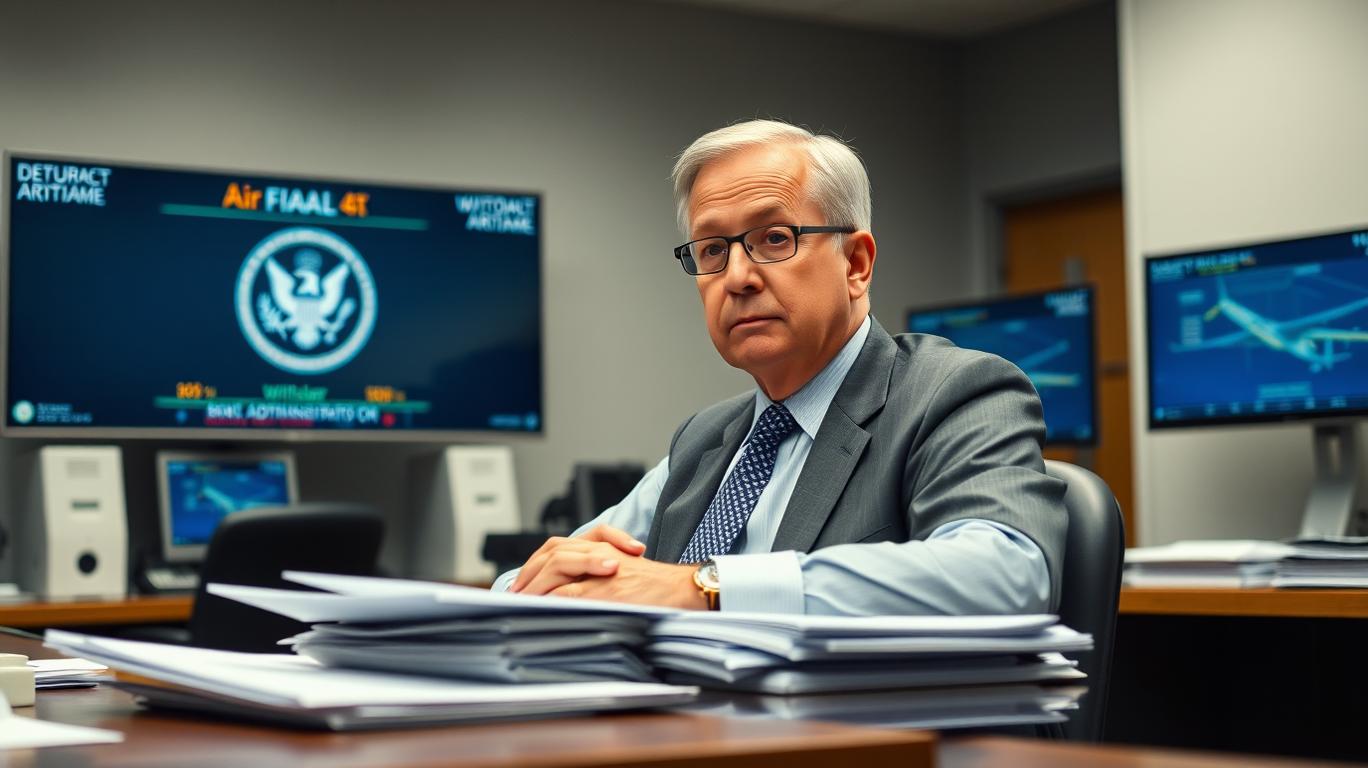
Whitaker's leadership has resulted in a comprehensive action plan, increased oversight, and the implementation of a Safety Management System at Boeing. However, his resignation could potentially disrupt the continuity of this oversight. The new administrator will need to ensure that the FAA maintains its focus on safety and quality improvements, holding Boeing accountable for its progress.
The FAA's commitment to ensuring Boeing implements necessary changes and sustains them in the long term is unlikely to waver. The new administrator will likely prioritize safety and hold Boeing accountable for its progress. However, the transition period may present challenges in maintaining the FAA's focus on safety and airworthiness. To mitigate these challenges, the new administrator should prioritize rebuilding the FAA's leadership team, fostering a culture of safety and accountability, and investing in training and technology to ensure the workforce remains competent and up-to-date.
The Senate Commerce Committee will play a crucial role in confirming a successor who shares Whitaker's commitment to safety and quality improvements. The new administrator will need to build upon the progress made under Whitaker's leadership, particularly in addressing Boeing's quality control issues and implementing the FAA Reauthorization Act of 2024.
In conclusion, Michael Whitaker's departure as FAA administrator may have implications for Boeing's comprehensive plan to address systemic quality control and production issues. The new administrator will need to ensure continuity in the FAA's oversight of Boeing, maintaining the focus on safety and quality improvements. By prioritizing safety and accountability, the new administrator can build upon Whitaker's legacy and further enhance the FAA's role in the aviation industry.
The Federal Aviation Administration (FAA) announced that its administrator, Michael Whitaker, will step down on January 20, 2025. Whitaker, who took office in October 2023, has been instrumental in addressing systemic quality control and production issues at Boeing, following the grounding of 737-9 MAX airplanes due to rapid depressurization incidents. His departure may have implications for Boeing's comprehensive plan to address these issues and the FAA's ongoing modernization efforts.
Whitaker's leadership has resulted in a comprehensive action plan, increased oversight, and the implementation of a Safety Management System at Boeing. However, his resignation could potentially disrupt the continuity of this oversight. The new administrator will need to ensure that the FAA maintains its focus on safety and quality improvements, holding Boeing accountable for its progress.
The FAA's commitment to ensuring Boeing implements necessary changes and sustains them in the long term is unlikely to waver. The new administrator will likely prioritize safety and hold Boeing accountable for its progress. However, the transition period may present challenges in maintaining the FAA's focus on safety and airworthiness. To mitigate these challenges, the new administrator should prioritize rebuilding the FAA's leadership team, fostering a culture of safety and accountability, and investing in training and technology to ensure the workforce remains competent and up-to-date.
The Senate Commerce Committee will play a crucial role in confirming a successor who shares Whitaker's commitment to safety and quality improvements. The new administrator will need to build upon the progress made under Whitaker's leadership, particularly in addressing Boeing's quality control issues and implementing the FAA Reauthorization Act of 2024.
In conclusion, Michael Whitaker's departure as FAA administrator may have implications for Boeing's comprehensive plan to address systemic quality control and production issues. The new administrator will need to ensure continuity in the FAA's oversight of Boeing, maintaining the focus on safety and quality improvements. By prioritizing safety and accountability, the new administrator can build upon Whitaker's legacy and further enhance the FAA's role in the aviation industry.

Divulgación editorial y transparencia de la IA: Ainvest News utiliza tecnología avanzada de Modelos de Lenguaje Largo (LLM) para sintetizar y analizar datos de mercado en tiempo real. Para garantizar los más altos estándares de integridad, cada artículo se somete a un riguroso proceso de verificación con participación humana.
Mientras la IA asiste en el procesamiento de datos y la redacción inicial, un miembro editorial profesional de Ainvest revisa, verifica y aprueba de forma independiente todo el contenido para garantizar su precisión y cumplimiento con los estándares editoriales de Ainvest Fintech Inc. Esta supervisión humana está diseñada para mitigar las alucinaciones de la IA y garantizar el contexto financiero.
Advertencia sobre inversiones: Este contenido se proporciona únicamente con fines informativos y no constituye asesoramiento profesional de inversión, legal o financiero. Los mercados conllevan riesgos inherentes. Se recomienda a los usuarios que realicen una investigación independiente o consulten a un asesor financiero certificado antes de tomar cualquier decisión. Ainvest Fintech Inc. se exime de toda responsabilidad por las acciones tomadas con base en esta información. ¿Encontró un error? Reportar un problema


SOBRE NOSOTROS
Nuestra historiaAutores de noticiasBase de conocimientosPolítica de privacidadTérmino de usoDescargo de responsabilidad de corretaje de tercerosTérminos de uso de AIMEDivulgaciones de riesgos de AInvest AICarrerasCONTÁCTENOS
Email: support@ainvest.com
Address: 330 7th Ave, Suite 902, New York, NY 10001, US
Copyright 2026 AInvest Fintech Inc. All rights reserved.


Comentarios
Aún no hay comentarios