
US Eyes Zero Tariff on Cars in India Trade Deal as Tesla Entry Nears
Generado por agente de IAWesley Park
miércoles, 5 de marzo de 2025, 9:10 am ET1 min de lectura
TSLA--
As the Indian market braces for the impending entry of TeslaTSLA--, whispers from Washington suggest that the US is considering a zero-tariff policy on cars as part of a broader trade deal with India. This move, if implemented, could significantly reshape the Indian automotive landscape and have far-reaching implications for both countries.
The US-India trade relationship has been a focal point for both nations, with high-level meetings and negotiations aimed at strengthening economic ties. In this context, eliminating car tariffs could be a strategic move by the US to gain leverage in discussions on agricultural market access and intellectual property rights. By making a substantial concession, the US could pressure India to reciprocate with concessions in other areas.
Eliminating car tariffs would also provide the US with several strategic advantages. Lower tariffs would make US cars more affordable in the Indian market, potentially leading to a surge in exports and boosting the US auto industry. This could create new job opportunities and stimulate growth in the US auto sector. Additionally, removing these barriers could strengthen the US-India trade relationship, fostering further cooperation and negotiations in other sectors.
However, the Indian automotive market and consumers would likely respond positively to a zero-tariff policy on cars. Lower tariffs would allow international automakers to price their vehicles more competitively, intensifying competition in the Indian market. This could force domestic automakers to innovate, improve quality, and reduce prices to remain competitive. With access to more affordable and modern vehicles, consumers could upgrade from older, less safe, and more polluting vehicles, leading to improved road safety and reduced emissions.
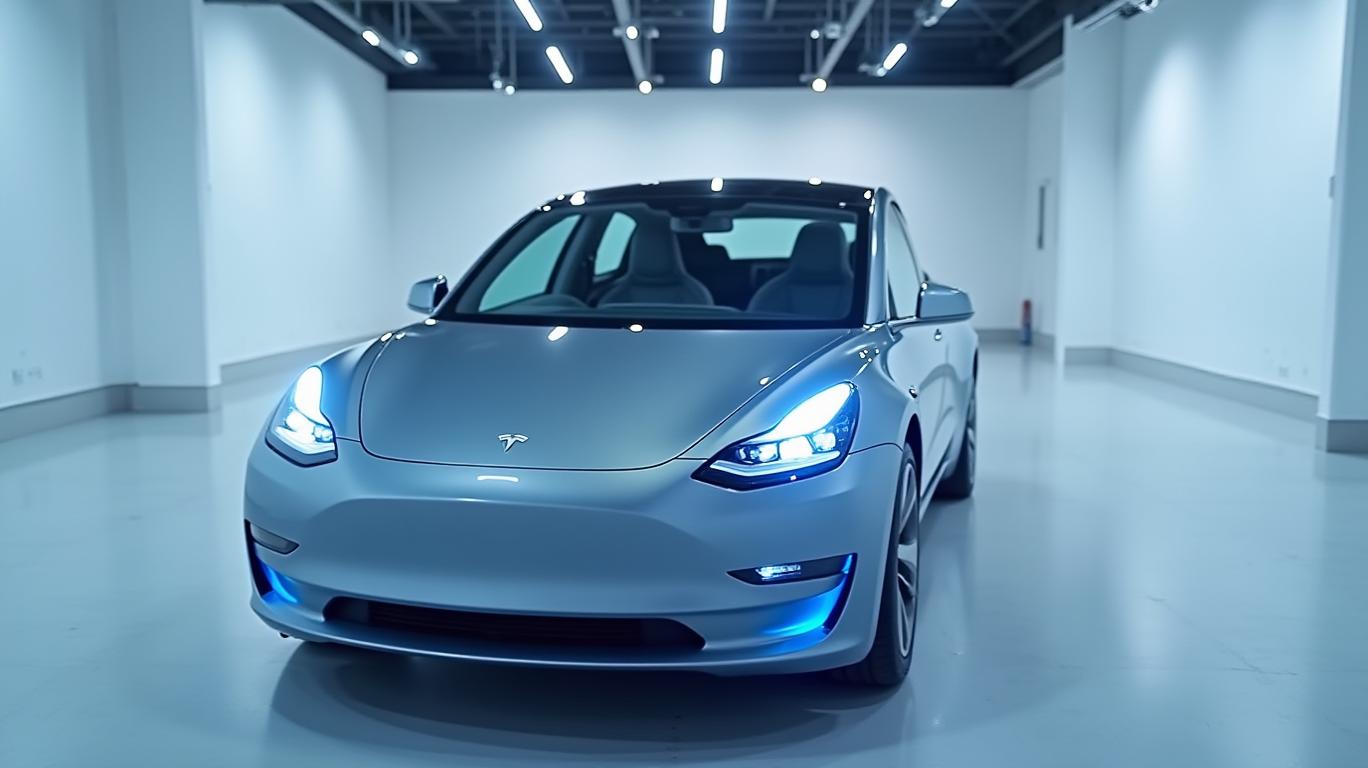
Tesla's entry into the Indian market could significantly transform the country's automotive landscape and Indian Stock Market. The company plans to launch popular models like the Model 3 and Model Y, offering Indian consumers a unique combination of advanced technology, high performance, and environmentally friendly transportation. This could drive demand for premium and luxury vehicles, as well as accelerate the adoption of electric vehicles in India.
In conclusion, a zero-tariff policy on cars in a US-India trade deal could have significant implications for both countries. While the US stands to gain strategic advantages, the Indian automotive market and consumers would likely benefit from increased competition, improved product offerings, and enhanced road safety. As Tesla's entry nears, the stage is set for a transformative shift in the Indian automotive market, with far-reaching consequences for the broader trade relationship between the US and India.
As the Indian market braces for the impending entry of TeslaTSLA--, whispers from Washington suggest that the US is considering a zero-tariff policy on cars as part of a broader trade deal with India. This move, if implemented, could significantly reshape the Indian automotive landscape and have far-reaching implications for both countries.
The US-India trade relationship has been a focal point for both nations, with high-level meetings and negotiations aimed at strengthening economic ties. In this context, eliminating car tariffs could be a strategic move by the US to gain leverage in discussions on agricultural market access and intellectual property rights. By making a substantial concession, the US could pressure India to reciprocate with concessions in other areas.
Eliminating car tariffs would also provide the US with several strategic advantages. Lower tariffs would make US cars more affordable in the Indian market, potentially leading to a surge in exports and boosting the US auto industry. This could create new job opportunities and stimulate growth in the US auto sector. Additionally, removing these barriers could strengthen the US-India trade relationship, fostering further cooperation and negotiations in other sectors.
However, the Indian automotive market and consumers would likely respond positively to a zero-tariff policy on cars. Lower tariffs would allow international automakers to price their vehicles more competitively, intensifying competition in the Indian market. This could force domestic automakers to innovate, improve quality, and reduce prices to remain competitive. With access to more affordable and modern vehicles, consumers could upgrade from older, less safe, and more polluting vehicles, leading to improved road safety and reduced emissions.
Tesla's entry into the Indian market could significantly transform the country's automotive landscape and Indian Stock Market. The company plans to launch popular models like the Model 3 and Model Y, offering Indian consumers a unique combination of advanced technology, high performance, and environmentally friendly transportation. This could drive demand for premium and luxury vehicles, as well as accelerate the adoption of electric vehicles in India.
In conclusion, a zero-tariff policy on cars in a US-India trade deal could have significant implications for both countries. While the US stands to gain strategic advantages, the Indian automotive market and consumers would likely benefit from increased competition, improved product offerings, and enhanced road safety. As Tesla's entry nears, the stage is set for a transformative shift in the Indian automotive market, with far-reaching consequences for the broader trade relationship between the US and India.

Divulgación editorial y transparencia de la IA: Ainvest News utiliza tecnología avanzada de Modelos de Lenguaje Largo (LLM) para sintetizar y analizar datos de mercado en tiempo real. Para garantizar los más altos estándares de integridad, cada artículo se somete a un riguroso proceso de verificación con participación humana.
Mientras la IA asiste en el procesamiento de datos y la redacción inicial, un miembro editorial profesional de Ainvest revisa, verifica y aprueba de forma independiente todo el contenido para garantizar su precisión y cumplimiento con los estándares editoriales de Ainvest Fintech Inc. Esta supervisión humana está diseñada para mitigar las alucinaciones de la IA y garantizar el contexto financiero.
Advertencia sobre inversiones: Este contenido se proporciona únicamente con fines informativos y no constituye asesoramiento profesional de inversión, legal o financiero. Los mercados conllevan riesgos inherentes. Se recomienda a los usuarios que realicen una investigación independiente o consulten a un asesor financiero certificado antes de tomar cualquier decisión. Ainvest Fintech Inc. se exime de toda responsabilidad por las acciones tomadas con base en esta información. ¿Encontró un error? Reportar un problema


SOBRE NOSOTROS
Nuestra historiaAutores de noticiasBase de conocimientosPolítica de privacidadTérmino de usoDescargo de responsabilidad de corretaje de tercerosTérminos de uso de AIMEDivulgaciones de riesgos de AInvest AICarrerasCONTÁCTENOS
Email: support@ainvest.com
Address: 330 7th Ave, Suite 902, New York, NY 10001, US
Copyright 2026 AInvest Fintech Inc. All rights reserved.


Comentarios
Aún no hay comentarios