
Exxon's Potential Return to Russia: Strategic Implications for Energy Markets and Shareholder Value
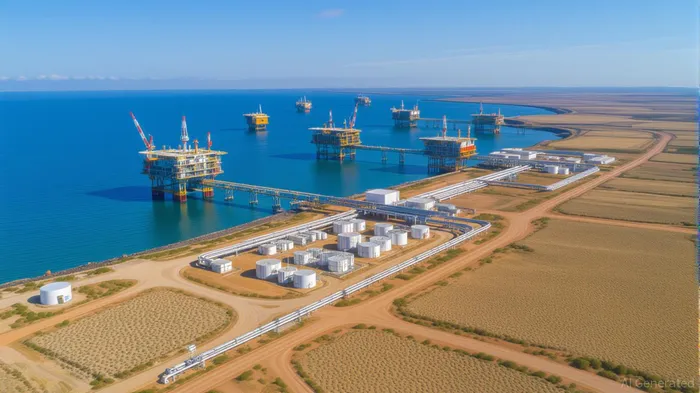
In the shadow of the Ukraine war, the energy sector has become a battleground for geopolitical realignment. ExxonMobil's rumored negotiations with Rosneft to re-enter the Sakhalin-1 project—once a crown jewel of U.S.-Russian energy collaboration—highlight the shifting tides of global energy alliances. These talks, emerging amid U.S. envoy Steve Witkoff's August 2025 visit to Moscow, reflect a calculated interplay of diplomacy, sanctions, and the urgent need to stabilize energy markets. For investors, the stakes are high: a potential return to Russia could reshape Exxon's portfolio, but it also exposes the company to the volatile intersection of geopolitics and climate transition.
Geopolitical Leverage and the Sakhalin-1 Gambit
The Sakhalin-1 project, with its 2.3 billion barrels of oil and 17.1 trillion cubic feet of gas, has long been a symbol of cross-border energy cooperation. After ExxonMobil's abrupt exit in 2022—triggered by Western sanctions and a $4.6 billion impairment charge—Russia nationalized the project, redirecting exports to China and India. Now, Putin's August 15, 2025, decree offers a conditional path for foreign re-entry. To reclaim stakes, companies must help lift sanctions, secure U.S. equipment for projects like Arctic LNG 2, and transfer liquidated funds to new operators.
This move is less about restoring Exxon's role and more about leveraging energy as a diplomatic tool. By aligning the decree with the Trump-Putin Alaska summit, Russia signals its willingness to use energy as a bargaining chip for peace in Ukraine. For the U.S., the deal could serve dual purposes: weakening the China-Russia “no limits” alliance and creating leverage in negotiations. Yet, the conditions are steep. ExxonXOM-- would need to navigate a new legal framework favoring Russian state interests, a stark contrast to the production-sharing agreements of the 1990s.
Energy Transition: A Double-Edged Sword
Exxon's 2025–2030 strategy, outlined in its Advancing Climate Solutions report, allocates $30 billion to lower-emission technologies, including carbon capture, hydrogen, and biofuels. This aligns with global decarbonization goals but raises questions about its compatibility with a return to Russian fossil fuel projects. The company's Gulf Coast investments in carbon capture and hydrogen infrastructure are designed to reduce emissions, yet a pivot back to high-emission Arctic and Sakhalin projects could alienate climate-conscious investors.
The tension is palpable. While Exxon's LCS business aims to grow profitably in low-carbon markets, its potential Russian ventures risk undermining its climate credibility. For shareholders, this duality presents a paradox: short-term gains from Russian projects could clash with long-term value from energy transition. The company's ability to balance these priorities will hinge on its capacity to integrate decarbonization into its Russian operations—a feat that remains unproven.
Investment Risks and Opportunities
The geopolitical risks are manifold. Sanctions remain a wildcard; even if the Trump administration softens its stance, Congress and the EU could resist. A return to Russia also exposes Exxon to reputational damage, particularly as climate activists and regulators intensify scrutiny of fossil fuel investments. Meanwhile, the China-Russia energy partnership, now deepening, could marginalize U.S. firms if Exxon hesitates.
Yet, the opportunities are equally compelling. Sakhalin-1's scale and Russia's conditional openness could offer Exxon a foothold in a market worth billions. The Arctic LNG 2 project, despite sanctions, has already resumed limited operations, suggesting that U.S. technology could fill critical gaps. For investors, the key is to assess whether Exxon can navigate these risks while aligning with its energy transition goals.
Strategic Recommendations for Investors
- Monitor Geopolitical Signals: Track U.S.-Russia-Ukraine peace talks and sanctions developments. A breakthrough in negotiations could unlock significant value for Exxon, but delays or setbacks could trigger volatility.
- Assess Climate Alignment: Evaluate Exxon's ability to integrate low-carbon technologies into its Russian projects. A failure to do so may lead to regulatory or market penalties.
- Diversify Exposure: Balance Exxon's potential Russian gains with investments in its LCS business and peers advancing renewable energy. Diversification mitigates the risks of overreliance on any single market.
- Engage with Governance: Advocate for transparent reporting on emissions and sanctions compliance. Shareholder pressure can ensure Exxon's strategy remains aligned with both profitability and sustainability.
Conclusion
Exxon's potential return to Russia is a microcosm of the broader energy transition: a clash between geopolitical pragmatism and climate imperatives. For investors, the path forward requires a nuanced understanding of both the risks and rewards. While the Sakhalin-1 gambit could yield substantial returns, it also demands a careful balancing act. In an era where energy is as much a diplomatic tool as an economic asset, Exxon's next move will be a litmus test for its ability to navigate the new global order.





Comentarios
Aún no hay comentarios