
Extreme Heat Puts Garment Factory Workers at Risk: A Call for Adaptation
Generado por agente de IAWesley Park
domingo, 8 de diciembre de 2024, 6:14 pm ET1 min de lectura
ANSC--
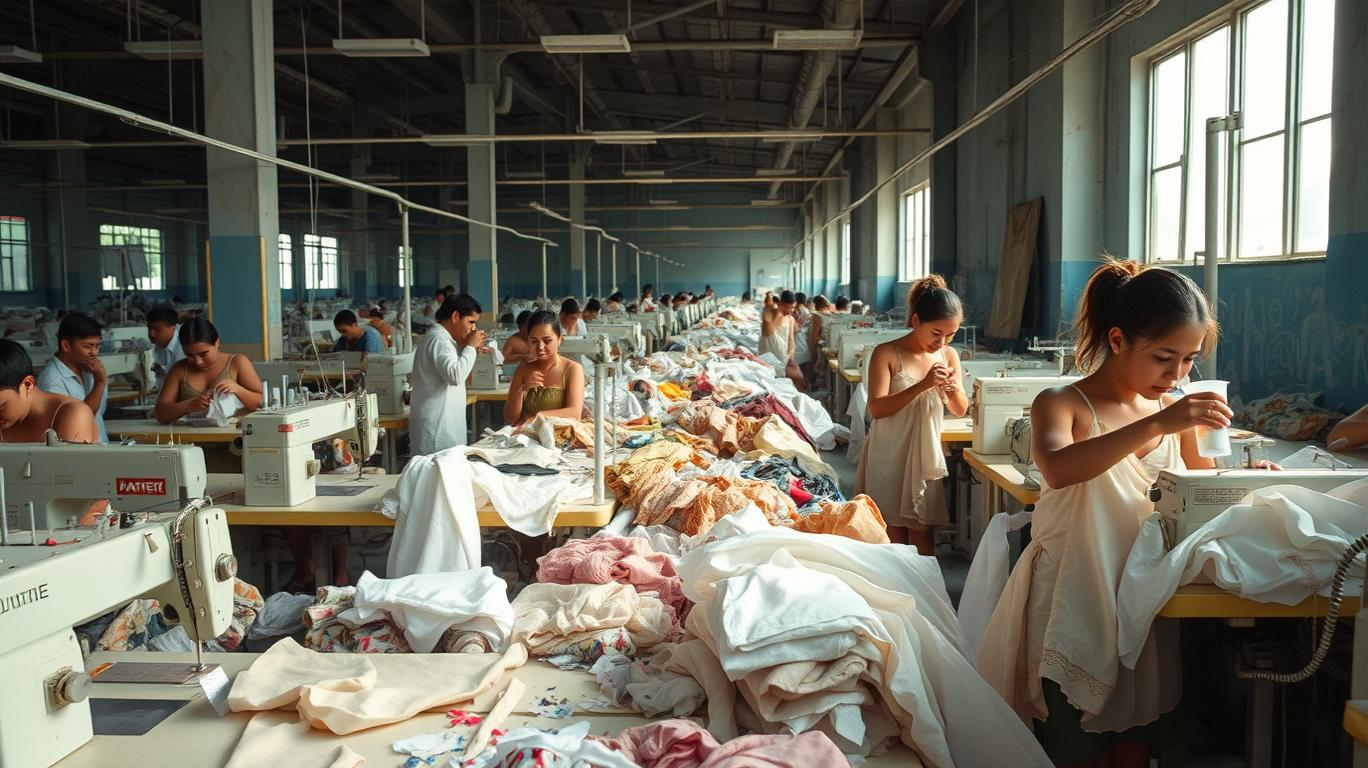
The garment industry, a significant contributor to the global economy, is facing a growing threat: extreme heat. A recent study by Cornell University's Global Labor Institute and Schroders highlights the severe risks that extreme heat poses to garment factory workers, particularly in key production hubs like Bangladesh, Cambodia, Pakistan, and Vietnam. By 2030, these countries could lose $65 billion in apparel export earnings and 1 million jobs due to extreme heat and flooding. This article explores the economic implications, adaptation measures, and the role of international labor regulations in protecting garment workers from extreme heat.
Economic Implications
Extreme heat poses significant economic risks to the garment industry. Rising temperatures and flooding threaten productivity, with outdoor workers in sectors like construction and agriculture particularly vulnerable. Indoor workers in poorly ventilated factories also face risks, leading to heat-related illnesses, dehydration, and reduced output. To mitigate these impacts, companies should invest in cooling measures, higher wages, and health protections for workers, while brands and retailers must address these issues in their supply chains.
Adaptation Measures
Garment manufacturers and retailers can adapt to extreme heat by investing in cooling technologies, adjusting work schedules, and implementing heat stress management programs. Cooling technologies such as evaporative coolers and air conditioning can help reduce temperatures in factories, while adjusting work schedules to avoid peak heat hours can minimize worker exposure. Additionally, implementing heat stress management programs, including regular breaks, hydration, and training on heat stress symptoms, can help protect workers and maintain productivity.
International Labor Regulations and Corporate Social Responsibility
International labor regulations and corporate social responsibility (CSR) initiatives play a crucial role in protecting garment workers from extreme heat. The EU's Corporate Sustainability Due Diligence Directive, for instance, makes retailers legally liable for conditions at their suppliers, including heat exposure. However, current regulations may not be sufficient, as only three retailers (Nike, Levi's, and VF Corp) have specific protocols to protect workers from heat exhaustion in their supplier codes of conduct. To improve this, brands should invest in cooling technologies, higher wages, and health protections for workers. Additionally, CSR initiatives should focus on worker empowerment, collective bargaining, and improved working conditions to mitigate heat risks.
In conclusion, extreme heat poses a significant threat to the garment industry and its workers. To mitigate these risks, companies and brands must invest in adaptation measures, and international labor regulations must be strengthened. By doing so, the industry can protect its workers, maintain productivity, and ensure the long-term sustainability of the global apparel supply chain.
CSR--
LEVI--
NKE--
The garment industry, a significant contributor to the global economy, is facing a growing threat: extreme heat. A recent study by Cornell University's Global Labor Institute and Schroders highlights the severe risks that extreme heat poses to garment factory workers, particularly in key production hubs like Bangladesh, Cambodia, Pakistan, and Vietnam. By 2030, these countries could lose $65 billion in apparel export earnings and 1 million jobs due to extreme heat and flooding. This article explores the economic implications, adaptation measures, and the role of international labor regulations in protecting garment workers from extreme heat.
Economic Implications
Extreme heat poses significant economic risks to the garment industry. Rising temperatures and flooding threaten productivity, with outdoor workers in sectors like construction and agriculture particularly vulnerable. Indoor workers in poorly ventilated factories also face risks, leading to heat-related illnesses, dehydration, and reduced output. To mitigate these impacts, companies should invest in cooling measures, higher wages, and health protections for workers, while brands and retailers must address these issues in their supply chains.
Adaptation Measures
Garment manufacturers and retailers can adapt to extreme heat by investing in cooling technologies, adjusting work schedules, and implementing heat stress management programs. Cooling technologies such as evaporative coolers and air conditioning can help reduce temperatures in factories, while adjusting work schedules to avoid peak heat hours can minimize worker exposure. Additionally, implementing heat stress management programs, including regular breaks, hydration, and training on heat stress symptoms, can help protect workers and maintain productivity.
International Labor Regulations and Corporate Social Responsibility
International labor regulations and corporate social responsibility (CSR) initiatives play a crucial role in protecting garment workers from extreme heat. The EU's Corporate Sustainability Due Diligence Directive, for instance, makes retailers legally liable for conditions at their suppliers, including heat exposure. However, current regulations may not be sufficient, as only three retailers (Nike, Levi's, and VF Corp) have specific protocols to protect workers from heat exhaustion in their supplier codes of conduct. To improve this, brands should invest in cooling technologies, higher wages, and health protections for workers. Additionally, CSR initiatives should focus on worker empowerment, collective bargaining, and improved working conditions to mitigate heat risks.
In conclusion, extreme heat poses a significant threat to the garment industry and its workers. To mitigate these risks, companies and brands must invest in adaptation measures, and international labor regulations must be strengthened. By doing so, the industry can protect its workers, maintain productivity, and ensure the long-term sustainability of the global apparel supply chain.

Divulgación editorial y transparencia de la IA: Ainvest News utiliza tecnología avanzada de Modelos de Lenguaje Largo (LLM) para sintetizar y analizar datos de mercado en tiempo real. Para garantizar los más altos estándares de integridad, cada artículo se somete a un riguroso proceso de verificación con participación humana.
Mientras la IA asiste en el procesamiento de datos y la redacción inicial, un miembro editorial profesional de Ainvest revisa, verifica y aprueba de forma independiente todo el contenido para garantizar su precisión y cumplimiento con los estándares editoriales de Ainvest Fintech Inc. Esta supervisión humana está diseñada para mitigar las alucinaciones de la IA y garantizar el contexto financiero.
Advertencia sobre inversiones: Este contenido se proporciona únicamente con fines informativos y no constituye asesoramiento profesional de inversión, legal o financiero. Los mercados conllevan riesgos inherentes. Se recomienda a los usuarios que realicen una investigación independiente o consulten a un asesor financiero certificado antes de tomar cualquier decisión. Ainvest Fintech Inc. se exime de toda responsabilidad por las acciones tomadas con base en esta información. ¿Encontró un error? Reportar un problema


SOBRE NOSOTROS
Nuestra historiaAutores de noticiasBase de conocimientosPolítica de privacidadTérmino de usoDescargo de responsabilidad de corretaje de tercerosTérminos de uso de AIMEDivulgaciones de riesgos de AInvest AICarrerasCONTÁCTENOS
Email: support@ainvest.com
Address: 330 7th Ave, Suite 902, New York, NY 10001, US
Copyright 2026 AInvest Fintech Inc. All rights reserved.


Comentarios
Aún no hay comentarios