
Exploring Virtualisation Solutions: Types, Features, and Popular Software
PorAinvest
lunes, 14 de julio de 2025, 5:31 am ET2 min de lectura
ORCL--
Operating System-Based Virtualization
Operating System-based virtualization, also known as containerization, allows multiple isolated user-space instances called containers to run on a single operating system kernel. Unlike traditional virtualization, where each virtual machine (VM) requires its own OS, OS-based virtualization shares the same OS while providing separate environments for running applications [1].
Key features of OS-based virtualization include resource isolation, lightweight containers, portability, scalability, and security. Containers are lightweight compared to traditional virtual machines, resulting in faster startup times and lower resource usage. They can be easily managed and scaled, making them highly responsive to changes in demand. However, security is a concern as containers share the same host operating system, potentially exposing all containers to security risks [1].
Hardware-Based Virtualization
Hardware-based virtualization, on the other hand, leverages the host processor's capabilities to simulate a complete hardware environment for virtual machines. This approach, often referred to as full virtualization, uses a hypervisor to manage virtual machines and allocate resources from the physical hardware. Hypervisors can be categorized into Type-I and Type-II hypervisors, with Type-I running directly on hardware and Type-II relying on an operating system for virtualization services [2].
Hardware-based virtualization provides strong isolation between virtual machines, ensuring that issues in one VM do not affect others. However, it requires compatible hardware and drivers, and may not offer the same level of resource efficiency as OS-based virtualization [2].
Popular Virtualization Software
Several popular virtualization software solutions are available in the market, each with its own strengths and limitations. VMware, Hyper-V, Citrix, and Docker are among the most widely used. VMware and Hyper-V are popular for their robust hypervisor capabilities, while Citrix is known for its application virtualization and remote desktop solutions. Docker, a containerization platform, is widely used for its portability and ease of use in deploying applications [1].
Conclusion
Virtualization technologies are essential for optimizing resources and increasing efficiency in cloud computing environments. Operating System-based virtualization and hardware-based virtualization each offer unique advantages and are used depending on the specific needs of the application. As cloud technologies continue to evolve, the expertise of cloud engineers like Ednaldo Silva in virtualization solutions will remain vital for successful migration projects and resource management.
References
[1] GeeksforGeeks. (n.d.). Operating System-based Virtualization. Retrieved from https://www.geeksforgeeks.org/computer-networks/operating-system-based-virtualization/
[2] GeeksforGeeks. (n.d.). Hardware-based Virtualization. Retrieved from https://www.geeksforgeeks.org/computer-networks/hardware-based-virtualization/
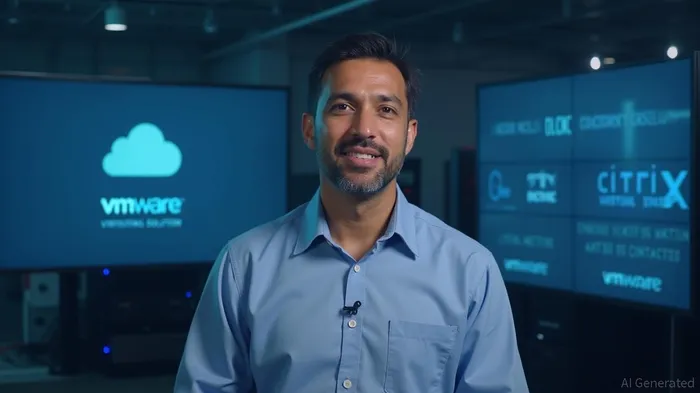
Ednaldo Silva, a cloud engineer at Vivo (Telefónica Brazil), discusses virtualization solutions and types. He explains that virtualization technologies allow for multiple operating systems and applications to run on a single physical server, optimizing resources and increasing efficiency. The main types of virtualization include server, desktop, network, storage, and application virtualization. Popular virtualization software includes VMware, Hyper-V, Citrix, and Docker, each with its own strengths and limitations. Silva highlights his expertise in cloud technologies, migration projects, and virtualization solutions such as Oracle Cloud VMware Solution and VMware and Citrix virtualization.
Virtualization technologies are transforming the way businesses approach computing resources, enabling multiple operating systems and applications to run on a single physical server. This optimization of resources and increased efficiency is particularly evident in cloud computing environments, where cloud engineers like Ednaldo Silva at Vivo (Telefónica Brazil) play a crucial role.Operating System-Based Virtualization
Operating System-based virtualization, also known as containerization, allows multiple isolated user-space instances called containers to run on a single operating system kernel. Unlike traditional virtualization, where each virtual machine (VM) requires its own OS, OS-based virtualization shares the same OS while providing separate environments for running applications [1].
Key features of OS-based virtualization include resource isolation, lightweight containers, portability, scalability, and security. Containers are lightweight compared to traditional virtual machines, resulting in faster startup times and lower resource usage. They can be easily managed and scaled, making them highly responsive to changes in demand. However, security is a concern as containers share the same host operating system, potentially exposing all containers to security risks [1].
Hardware-Based Virtualization
Hardware-based virtualization, on the other hand, leverages the host processor's capabilities to simulate a complete hardware environment for virtual machines. This approach, often referred to as full virtualization, uses a hypervisor to manage virtual machines and allocate resources from the physical hardware. Hypervisors can be categorized into Type-I and Type-II hypervisors, with Type-I running directly on hardware and Type-II relying on an operating system for virtualization services [2].
Hardware-based virtualization provides strong isolation between virtual machines, ensuring that issues in one VM do not affect others. However, it requires compatible hardware and drivers, and may not offer the same level of resource efficiency as OS-based virtualization [2].
Popular Virtualization Software
Several popular virtualization software solutions are available in the market, each with its own strengths and limitations. VMware, Hyper-V, Citrix, and Docker are among the most widely used. VMware and Hyper-V are popular for their robust hypervisor capabilities, while Citrix is known for its application virtualization and remote desktop solutions. Docker, a containerization platform, is widely used for its portability and ease of use in deploying applications [1].
Conclusion
Virtualization technologies are essential for optimizing resources and increasing efficiency in cloud computing environments. Operating System-based virtualization and hardware-based virtualization each offer unique advantages and are used depending on the specific needs of the application. As cloud technologies continue to evolve, the expertise of cloud engineers like Ednaldo Silva in virtualization solutions will remain vital for successful migration projects and resource management.
References
[1] GeeksforGeeks. (n.d.). Operating System-based Virtualization. Retrieved from https://www.geeksforgeeks.org/computer-networks/operating-system-based-virtualization/
[2] GeeksforGeeks. (n.d.). Hardware-based Virtualization. Retrieved from https://www.geeksforgeeks.org/computer-networks/hardware-based-virtualization/
Divulgación editorial y transparencia de la IA: Ainvest News utiliza tecnología avanzada de Modelos de Lenguaje Largo (LLM) para sintetizar y analizar datos de mercado en tiempo real. Para garantizar los más altos estándares de integridad, cada artículo se somete a un riguroso proceso de verificación con participación humana.
Mientras la IA asiste en el procesamiento de datos y la redacción inicial, un miembro editorial profesional de Ainvest revisa, verifica y aprueba de forma independiente todo el contenido para garantizar su precisión y cumplimiento con los estándares editoriales de Ainvest Fintech Inc. Esta supervisión humana está diseñada para mitigar las alucinaciones de la IA y garantizar el contexto financiero.
Advertencia sobre inversiones: Este contenido se proporciona únicamente con fines informativos y no constituye asesoramiento profesional de inversión, legal o financiero. Los mercados conllevan riesgos inherentes. Se recomienda a los usuarios que realicen una investigación independiente o consulten a un asesor financiero certificado antes de tomar cualquier decisión. Ainvest Fintech Inc. se exime de toda responsabilidad por las acciones tomadas con base en esta información. ¿Encontró un error? Reportar un problema




Comentarios
Aún no hay comentarios