
Exclusive: VW's High Labour Costs in Germany Threaten Competitiveness
Generado por agente de IAWesley Park
miércoles, 20 de noviembre de 2024, 1:14 am ET1 min de lectura
AG--
GPCR--
STLA--
Volkswagen (VW), Europe's largest carmaker, is facing a significant challenge in its home market of Germany: labour costs that outstrip those of its competitors. As the company grapples with intense competition, rising energy and raw material costs, and a stagnating German economy, its high labour costs threaten its competitiveness in the global automotive market.
According to an internal memo by Volkswagen's works council, the company spent 15.4% of its revenue on labour costs globally in 2023, compared to 9.5-11% for competitors like BMW, Mercedes-Benz, and Stellantis. This disparity can be attributed to several factors, including VW's in-house production of components and software, higher wages in Germany, and the company's large workforce in the country.
Germany has the highest labour costs in the passenger car industry worldwide, averaging 62 euros ($66) per hour in 2023. This, combined with increased energy and raw material prices, contributes to VW's higher labour costs. The company's German subsidiary, VW AG, employs many administrative staff commanding higher salaries, further driving up labour costs.
VW's high labour costs pose a significant challenge to its competitiveness, particularly in the face of cheaper models from China entering the European market. The company is now threatening a 10% pay cut for German workers and considering plant closures to address these cost issues. However, such measures may face resistance from unions and state governments.
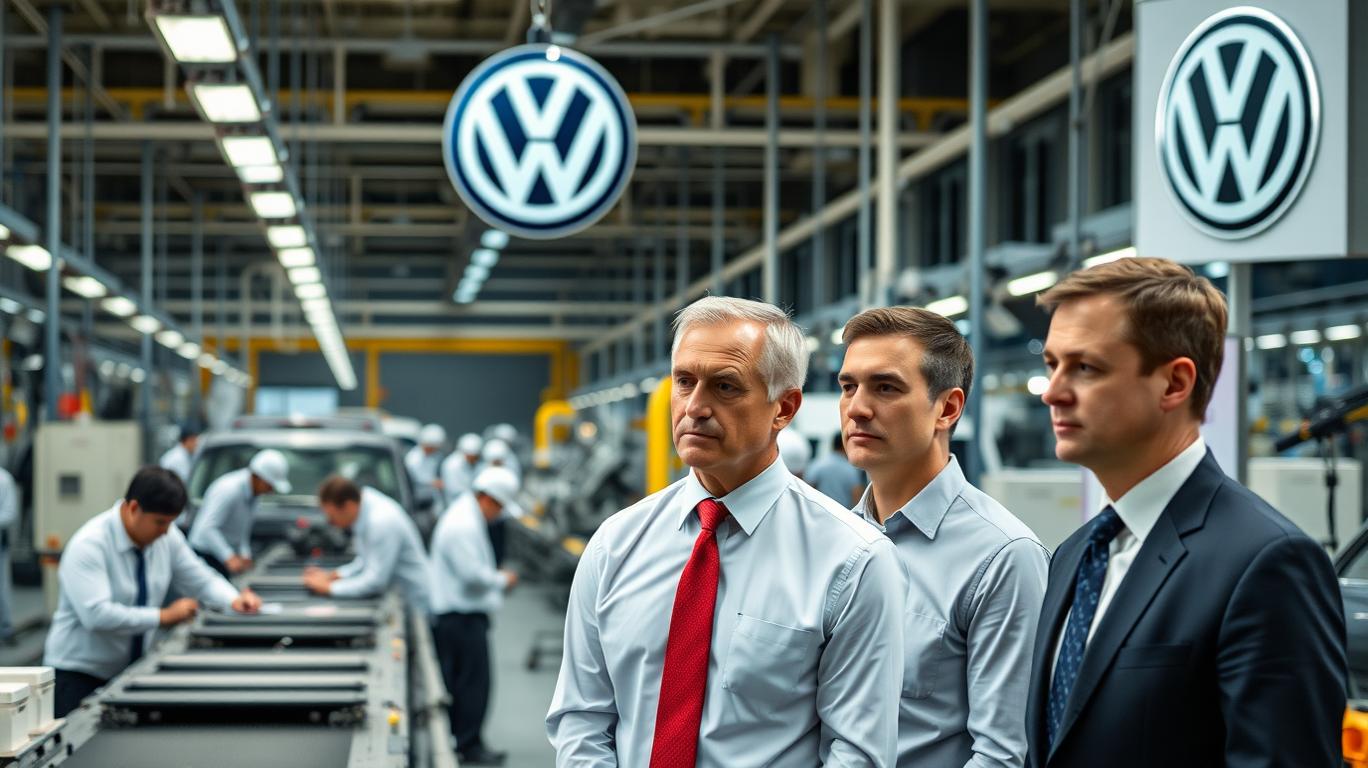
To improve its labour cost structure, VW must address its in-house production, negotiate with unions for lower wages, and potentially outsource some operations or move production to lower-cost locations. The company can also leverage automation and digitalization to increase productivity and invest in reskilling and upskilling its workforce to adapt to the evolving automotive market.
In conclusion, VW's high labour costs in Germany threaten its competitiveness in the global automotive market. To maintain its position, the company must address its labour cost structure and adapt to the changing market dynamics. Investors should closely monitor VW's labour cost reduction strategies and their impact on the company's financial performance.
According to an internal memo by Volkswagen's works council, the company spent 15.4% of its revenue on labour costs globally in 2023, compared to 9.5-11% for competitors like BMW, Mercedes-Benz, and Stellantis. This disparity can be attributed to several factors, including VW's in-house production of components and software, higher wages in Germany, and the company's large workforce in the country.
Germany has the highest labour costs in the passenger car industry worldwide, averaging 62 euros ($66) per hour in 2023. This, combined with increased energy and raw material prices, contributes to VW's higher labour costs. The company's German subsidiary, VW AG, employs many administrative staff commanding higher salaries, further driving up labour costs.
VW's high labour costs pose a significant challenge to its competitiveness, particularly in the face of cheaper models from China entering the European market. The company is now threatening a 10% pay cut for German workers and considering plant closures to address these cost issues. However, such measures may face resistance from unions and state governments.
To improve its labour cost structure, VW must address its in-house production, negotiate with unions for lower wages, and potentially outsource some operations or move production to lower-cost locations. The company can also leverage automation and digitalization to increase productivity and invest in reskilling and upskilling its workforce to adapt to the evolving automotive market.
In conclusion, VW's high labour costs in Germany threaten its competitiveness in the global automotive market. To maintain its position, the company must address its labour cost structure and adapt to the changing market dynamics. Investors should closely monitor VW's labour cost reduction strategies and their impact on the company's financial performance.

Divulgación editorial y transparencia de la IA: Ainvest News utiliza tecnología avanzada de Modelos de Lenguaje Largo (LLM) para sintetizar y analizar datos de mercado en tiempo real. Para garantizar los más altos estándares de integridad, cada artículo se somete a un riguroso proceso de verificación con participación humana.
Mientras la IA asiste en el procesamiento de datos y la redacción inicial, un miembro editorial profesional de Ainvest revisa, verifica y aprueba de forma independiente todo el contenido para garantizar su precisión y cumplimiento con los estándares editoriales de Ainvest Fintech Inc. Esta supervisión humana está diseñada para mitigar las alucinaciones de la IA y garantizar el contexto financiero.
Advertencia sobre inversiones: Este contenido se proporciona únicamente con fines informativos y no constituye asesoramiento profesional de inversión, legal o financiero. Los mercados conllevan riesgos inherentes. Se recomienda a los usuarios que realicen una investigación independiente o consulten a un asesor financiero certificado antes de tomar cualquier decisión. Ainvest Fintech Inc. se exime de toda responsabilidad por las acciones tomadas con base en esta información. ¿Encontró un error? Reportar un problema


SOBRE NOSOTROS
Nuestra historiaAutores de noticiasBase de conocimientosPolítica de privacidadTérmino de usoDescargo de responsabilidad de corretaje de tercerosTérminos de uso de AIMEDivulgaciones de riesgos de AInvest AICarrerasCONTÁCTENOS
Email: support@ainvest.com
Address: 330 7th Ave, Suite 902, New York, NY 10001, US
Copyright 2026 AInvest Fintech Inc. All rights reserved.


Comentarios
Aún no hay comentarios