
Evaluating the Risks and Opportunities in Texas' Fossil Fuel Boom: Environmental and Regulatory Pressures as Investment Barriers
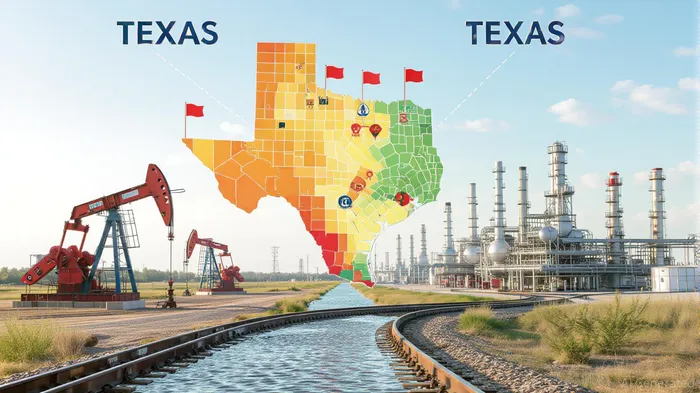
The Texas fossil fuel industry remains a cornerstone of U.S. energy production, contributing over 40% of the nation's oil output and hosting critical infrastructure like the Permian Basin and Houston refineries [1]. However, long-term investors in energy infrastructure must grapple with an evolving regulatory landscape that could reshape risk profiles. While specific state-level environmental policies for 2023–2025 remain opaque, federal EPA actions and broader policy trends offer critical insights into potential barriers and opportunities.
Federal Regulatory Pressures: A Looming Overhang
The U.S. Environmental Protection Agency (EPA) continues to tighten regulations under existing frameworks such as the Clean Air Act, Clean Water Act, and Toxic Substances Control Act (TSCA) [2]. These laws mandate stricter emissions controls, hazardous substance management, and water quality standards—areas directly impacting oil and gas operations. For instance, the EPA's recent emphasis on environmental justice initiatives has spurred increased scrutiny of fossil fuel projects in ecologically sensitive or marginalized communities [3].
While no 2023–2025 EPA rules targeting Texas specifically are documented, the agency's broader mission to reduce greenhouse gas emissions and enforce TSCA risk evaluations suggests a trajectory toward more stringent compliance demands [4]. This could translate into higher operational costs for Texas operators, particularly for methane capture technologies or wastewater treatment systems.
State-Level Ambiguity: A Double-Edged Sword
Texas' regulatory environment has traditionally been industry-friendly, with the Texas Railroad Commission overseeing oil and gas activities with minimal federal interference. However, the absence of publicly available state-level policy updates for 2023–2025 creates uncertainty. Investors must consider two scenarios:
1. Status Quo: If Texas maintains its lenient approach, the state could retain its competitive edge in production efficiency, attracting capital to infrastructure projects.
2. Regulatory Catch-Up: Should the state align with federal priorities (e.g., carbon pricing, renewable integration mandates), operators might face compliance overhauls akin to those in California or New York.
The lack of transparency here is a red flag. Without clear guidelines, capital allocation risks misalignment with future compliance requirements, potentially leading to stranded assets.
Investment Risk Matrix: Balancing Short-Term Gains and Long-Term Exposure
Texas' fossil fuel boomBOOM-- offers short-term allure, with low production costs and geopolitical stability. Yet long-term risks are mounting:
- Environmental Compliance Costs: EPA's focus on TSCA risk evaluations could force operators to invest in costly upgrades to manage hazardous substances [5].
- Reputational Risks: High-profile incidents, such as the 2023 East Palestine derailment and chemical spill, underscore public scrutiny of fossil fuel infrastructure, potentially spurring litigation or community resistance [6].
- Transition Risks: Global decarbonization trends, including the Inflation Reduction Act's incentives for renewables, may erode demand for Texas' fossil fuel exports over the next decade.
Strategic Recommendations for Investors
- Diversify Portfolios: Allocate capital to hybrid projects (e.g., carbon capture-equipped refineries) that align with both current Texas priorities and potential future regulations.
- Monitor EPA Rulemaking: Track developments under the Clean Air Act and TSCA, as these will likely influence state-level actions indirectly.
- Engage in Policy Advocacy: Given Texas' political clout, investors should advocate for regulatory clarity that balances industry needs with environmental safeguards.
Conclusion
Texas' fossil fuel sector remains a linchpin of U.S. energy security, but its long-term viability hinges on navigating a regulatory crossroads. While federal policies cast a long shadow, the absence of state-level clarity demands a cautious, adaptive approach. Investors who prioritize flexibility and foresight—rather than short-term yields—will be best positioned to weather the storm.







Comentarios
Aún no hay comentarios