
EV Startup Canoo Files for Bankruptcy, Ceases Operations
Generado por agente de IAWesley Park
viernes, 17 de enero de 2025, 9:10 pm ET2 min de lectura
GOEV--
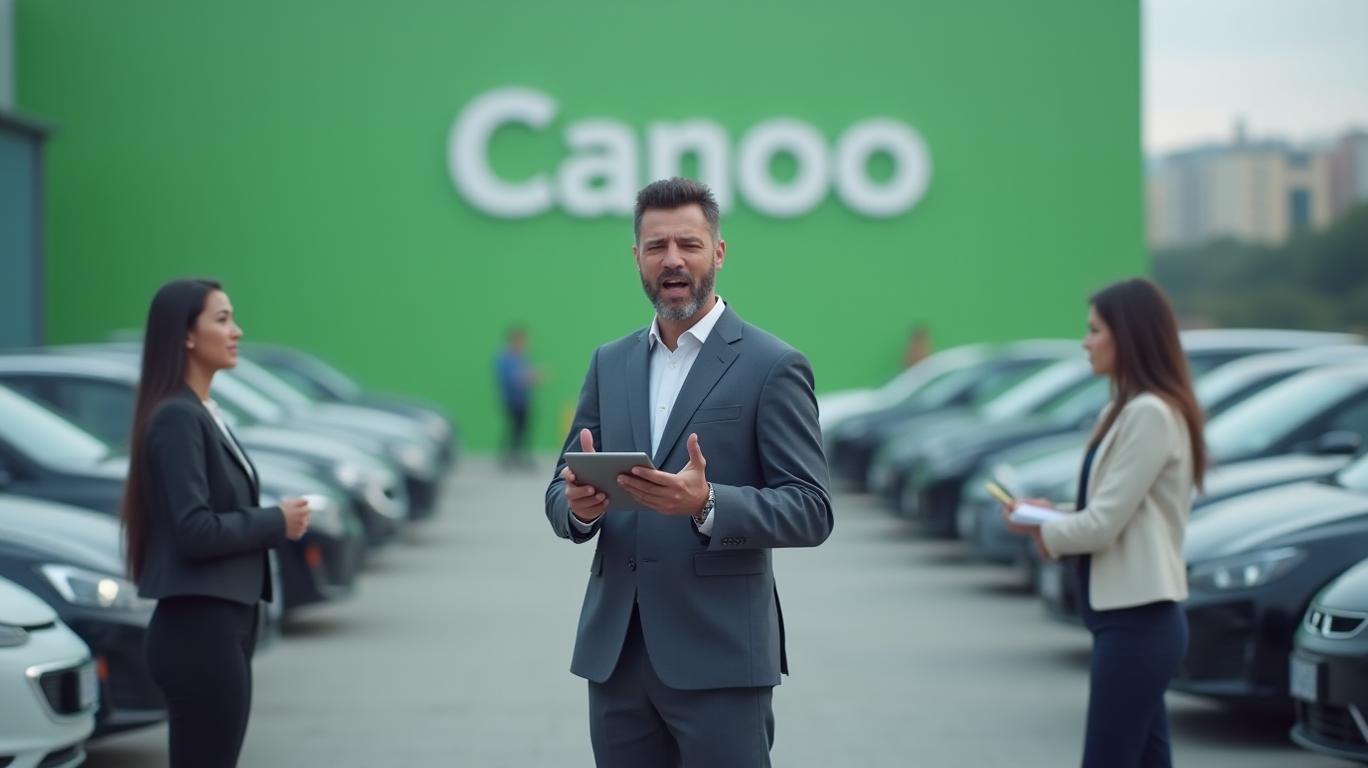
In a disappointing turn of events, electric vehicle (EV) startup Canoo has filed for Chapter 7 bankruptcy and will cease operations effective immediately. The company, which was founded in 2017, had been struggling to secure funding and deliver vehicles to customers throughout 2024. Despite successful deliveries to notable clients such as NASA, the Department of Defense, USPS, and agreements with Walmart, Canoo was unable to secure financial support from the U.S. Department of Energy's Loan Program Office or foreign sources of capital.
Canoo's financial struggles were compounded by a less EV-friendly political climate and the uncertainty surrounding the incoming Trump administration. The company's cash balance dwindled to just $700,000 in mid-November 2024, making it challenging to maintain operations and deliver vehicles to customers. Canoo's CEO, Tony Aquila, had previously expressed optimism about the company's prospects, stating that Canoo's goal was to "move up production" in 2025. However, the company's financial difficulties and the inability to secure funding ultimately led to its bankruptcy filing.
The termination of Canoo's government contracts through this bankruptcy creates immediate challenges for agencies like NASA and the DOD, which must now quickly secure alternative suppliers. The USPS contract termination is particularly significant, given the ongoing fleet electrification efforts. This situation will likely prompt federal agencies to implement more stringent financial viability requirements for future EV contracts, potentially favoring larger, more established manufacturers over innovative but financially uncertain startups.
Canoo's bankruptcy filing serves as a stark reminder of the brutal reality of the EV startup landscape. Despite securing high-profile partnerships and government contracts, Canoo's collapse underscores the importance of substantial capital backing for even the most promising EV companies. The inability to secure DOE funding is particularly telling, as it suggests either concerns about the company's business model or increased scrutiny in government lending to EV startups.
The impact of Canoo's bankruptcy will ripple beyond the company itself, with suppliers and partners now reassessing their EV startup exposure. Competitor valuations may face pressure as the market digests another failure, and future EV startups will likely face heightened scrutiny from investors and lenders. This development may accelerate consolidation in the EV space, favoring established automakers with deeper pockets.
As investors, it is essential to stay informed about the challenges and opportunities in the EV sector. While Canoo's bankruptcy is a setback, it also highlights the importance of thorough research and long-term investing in the EV space. By learning from Canoo's experiences and staying up-to-date with the latest developments, investors can make more informed decisions and capitalize on the growing demand for electric vehicles.
In conclusion, Canoo's bankruptcy filing serves as a cautionary tale for EV startups and investors alike. Despite its promising start and notable partnerships, Canoo's inability to secure funding and maintain operations ultimately led to its downfall. As the EV market continues to grow, investors must remain vigilant and make informed decisions based on thorough research and a long-term perspective. By doing so, investors can navigate the challenges and opportunities in the EV sector and capitalize on the growing demand for electric vehicles.
WMT--
In a disappointing turn of events, electric vehicle (EV) startup Canoo has filed for Chapter 7 bankruptcy and will cease operations effective immediately. The company, which was founded in 2017, had been struggling to secure funding and deliver vehicles to customers throughout 2024. Despite successful deliveries to notable clients such as NASA, the Department of Defense, USPS, and agreements with Walmart, Canoo was unable to secure financial support from the U.S. Department of Energy's Loan Program Office or foreign sources of capital.
Canoo's financial struggles were compounded by a less EV-friendly political climate and the uncertainty surrounding the incoming Trump administration. The company's cash balance dwindled to just $700,000 in mid-November 2024, making it challenging to maintain operations and deliver vehicles to customers. Canoo's CEO, Tony Aquila, had previously expressed optimism about the company's prospects, stating that Canoo's goal was to "move up production" in 2025. However, the company's financial difficulties and the inability to secure funding ultimately led to its bankruptcy filing.
The termination of Canoo's government contracts through this bankruptcy creates immediate challenges for agencies like NASA and the DOD, which must now quickly secure alternative suppliers. The USPS contract termination is particularly significant, given the ongoing fleet electrification efforts. This situation will likely prompt federal agencies to implement more stringent financial viability requirements for future EV contracts, potentially favoring larger, more established manufacturers over innovative but financially uncertain startups.
Canoo's bankruptcy filing serves as a stark reminder of the brutal reality of the EV startup landscape. Despite securing high-profile partnerships and government contracts, Canoo's collapse underscores the importance of substantial capital backing for even the most promising EV companies. The inability to secure DOE funding is particularly telling, as it suggests either concerns about the company's business model or increased scrutiny in government lending to EV startups.
The impact of Canoo's bankruptcy will ripple beyond the company itself, with suppliers and partners now reassessing their EV startup exposure. Competitor valuations may face pressure as the market digests another failure, and future EV startups will likely face heightened scrutiny from investors and lenders. This development may accelerate consolidation in the EV space, favoring established automakers with deeper pockets.
As investors, it is essential to stay informed about the challenges and opportunities in the EV sector. While Canoo's bankruptcy is a setback, it also highlights the importance of thorough research and long-term investing in the EV space. By learning from Canoo's experiences and staying up-to-date with the latest developments, investors can make more informed decisions and capitalize on the growing demand for electric vehicles.
In conclusion, Canoo's bankruptcy filing serves as a cautionary tale for EV startups and investors alike. Despite its promising start and notable partnerships, Canoo's inability to secure funding and maintain operations ultimately led to its downfall. As the EV market continues to grow, investors must remain vigilant and make informed decisions based on thorough research and a long-term perspective. By doing so, investors can navigate the challenges and opportunities in the EV sector and capitalize on the growing demand for electric vehicles.

Divulgación editorial y transparencia de la IA: Ainvest News utiliza tecnología avanzada de Modelos de Lenguaje Largo (LLM) para sintetizar y analizar datos de mercado en tiempo real. Para garantizar los más altos estándares de integridad, cada artículo se somete a un riguroso proceso de verificación con participación humana.
Mientras la IA asiste en el procesamiento de datos y la redacción inicial, un miembro editorial profesional de Ainvest revisa, verifica y aprueba de forma independiente todo el contenido para garantizar su precisión y cumplimiento con los estándares editoriales de Ainvest Fintech Inc. Esta supervisión humana está diseñada para mitigar las alucinaciones de la IA y garantizar el contexto financiero.
Advertencia sobre inversiones: Este contenido se proporciona únicamente con fines informativos y no constituye asesoramiento profesional de inversión, legal o financiero. Los mercados conllevan riesgos inherentes. Se recomienda a los usuarios que realicen una investigación independiente o consulten a un asesor financiero certificado antes de tomar cualquier decisión. Ainvest Fintech Inc. se exime de toda responsabilidad por las acciones tomadas con base en esta información. ¿Encontró un error? Reportar un problema




Comentarios
Aún no hay comentarios