
European Ports Overwhelmed, Congestion Could Affect US, Asia
PorAinvest
lunes, 26 de mayo de 2025, 4:32 am ET1 min de lectura
AG--
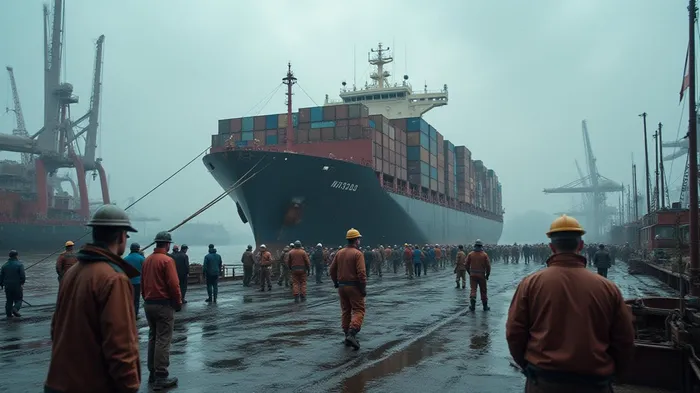
Between late March and mid-May, average berth waiting times soared in several northern European ports. Germany’s Bremerhaven experienced a 77% increase in delays, while Antwerp and Hamburg reported significant jumps of 37% and 49%, respectively. Rotterdam and Felixstowe also saw mounting congestion [1][2]. These bottlenecks are being fueled by a combination of labor shortages and shallow water levels on the Rhine River, which have restricted barge traffic to and from inland terminals [1][2].
The situation is further exacerbated by a temporary U.S. tariff reprieve that has led to a surge in shipments between China and the United States. Businesses are rushing to move goods before higher duties potentially return, contributing to extended port delays and disrupting logistics planning [1][2].
Similar congestion trends are emerging in Asia and North America. Ports in Shenzhen, Los Angeles, and New York are also experiencing increased waiting times for container vessels [1][2]. Rolf Habben Jansen, CEO of Hapag-Lloyd AG, expects it will take another six to eight weeks to manage the situation at European ports [3].
The uncertainty surrounding recent tariff decisions is adding to the pressure. On Friday, U.S. President Donald Trump threatened to impose a 50% tariff on European Union goods starting June 1, which could severely disrupt transatlantic trade. Oxford Economics estimated that this could slash EU exports to the U.S. by more than half if reciprocal duties are applied across categories [2].
The mounting uncertainty about U.S. trade policies has prompted shipping giants like MSC Mediterranean Shipping to implement rate hikes and peak-season surcharges starting in June, particularly for cargo departing Asia. As a result, spot rates are expected to climb in the coming weeks [2].
Meanwhile, maritime routes remain strained due to ongoing geopolitical tensions. Shipping firms continue to bypass the Red Sea, rerouting vessels around the southern tip of Africa amid continued attacks by Houthi rebels [2].
The current situation underscores the need for efficient logistics planning and inventory management. Companies may need to carry larger inventories to mitigate the risks of extended port delays and higher freight costs. The global shipping industry is closely monitoring the situation and preparing for potential disruptions in the coming months.
References:
[1] https://seekingalpha.com/news/4452219-european-port-congestion-deepens-as-trade-disruptions-threaten-shipping-costs
[2] https://www.businesstimes.com.sg/international/europes-shipping-bottlenecks-expected-persist-july
[3] https://www.gurufocus.com/news/2887481/port-congestion-worsens-in-europe-potential-impact-on-global-trade
MSC--
SG--
ULH--
European ports are experiencing congestion due to labor shortages, low Rhine water levels, and customs chaos. A Drewry study found that trade wars could disrupt global shipping, causing delays and rate hikes. Wartime congestion may spread to Asia and the US.
European ports are grappling with severe congestion, driven by labor shortages, low Rhine River water levels, and customs chaos. A recent study by Drewry, a London-based maritime consultancy, highlights that these issues could extend trade disruptions to Asia and the United States, potentially leading to increased shipping costs and delays [1].Between late March and mid-May, average berth waiting times soared in several northern European ports. Germany’s Bremerhaven experienced a 77% increase in delays, while Antwerp and Hamburg reported significant jumps of 37% and 49%, respectively. Rotterdam and Felixstowe also saw mounting congestion [1][2]. These bottlenecks are being fueled by a combination of labor shortages and shallow water levels on the Rhine River, which have restricted barge traffic to and from inland terminals [1][2].
The situation is further exacerbated by a temporary U.S. tariff reprieve that has led to a surge in shipments between China and the United States. Businesses are rushing to move goods before higher duties potentially return, contributing to extended port delays and disrupting logistics planning [1][2].
Similar congestion trends are emerging in Asia and North America. Ports in Shenzhen, Los Angeles, and New York are also experiencing increased waiting times for container vessels [1][2]. Rolf Habben Jansen, CEO of Hapag-Lloyd AG, expects it will take another six to eight weeks to manage the situation at European ports [3].
The uncertainty surrounding recent tariff decisions is adding to the pressure. On Friday, U.S. President Donald Trump threatened to impose a 50% tariff on European Union goods starting June 1, which could severely disrupt transatlantic trade. Oxford Economics estimated that this could slash EU exports to the U.S. by more than half if reciprocal duties are applied across categories [2].
The mounting uncertainty about U.S. trade policies has prompted shipping giants like MSC Mediterranean Shipping to implement rate hikes and peak-season surcharges starting in June, particularly for cargo departing Asia. As a result, spot rates are expected to climb in the coming weeks [2].
Meanwhile, maritime routes remain strained due to ongoing geopolitical tensions. Shipping firms continue to bypass the Red Sea, rerouting vessels around the southern tip of Africa amid continued attacks by Houthi rebels [2].
The current situation underscores the need for efficient logistics planning and inventory management. Companies may need to carry larger inventories to mitigate the risks of extended port delays and higher freight costs. The global shipping industry is closely monitoring the situation and preparing for potential disruptions in the coming months.
References:
[1] https://seekingalpha.com/news/4452219-european-port-congestion-deepens-as-trade-disruptions-threaten-shipping-costs
[2] https://www.businesstimes.com.sg/international/europes-shipping-bottlenecks-expected-persist-july
[3] https://www.gurufocus.com/news/2887481/port-congestion-worsens-in-europe-potential-impact-on-global-trade
Divulgación editorial y transparencia de la IA: Ainvest News utiliza tecnología avanzada de Modelos de Lenguaje Largo (LLM) para sintetizar y analizar datos de mercado en tiempo real. Para garantizar los más altos estándares de integridad, cada artículo se somete a un riguroso proceso de verificación con participación humana.
Mientras la IA asiste en el procesamiento de datos y la redacción inicial, un miembro editorial profesional de Ainvest revisa, verifica y aprueba de forma independiente todo el contenido para garantizar su precisión y cumplimiento con los estándares editoriales de Ainvest Fintech Inc. Esta supervisión humana está diseñada para mitigar las alucinaciones de la IA y garantizar el contexto financiero.
Advertencia sobre inversiones: Este contenido se proporciona únicamente con fines informativos y no constituye asesoramiento profesional de inversión, legal o financiero. Los mercados conllevan riesgos inherentes. Se recomienda a los usuarios que realicen una investigación independiente o consulten a un asesor financiero certificado antes de tomar cualquier decisión. Ainvest Fintech Inc. se exime de toda responsabilidad por las acciones tomadas con base en esta información. ¿Encontró un error? Reportar un problema


SOBRE NOSOTROS
Nuestra historiaAutores de noticiasBase de conocimientosPolítica de privacidadTérmino de usoDescargo de responsabilidad de corretaje de tercerosTérminos de uso de AIMEDivulgaciones de riesgos de AInvest AICarrerasCONTÁCTENOS
Email: support@ainvest.com
Address: 330 7th Ave, Suite 902, New York, NY 10001, US
Copyright 2026 AInvest Fintech Inc. All rights reserved.


Comentarios
Aún no hay comentarios