
European Leaders Seek to Perfect the Art of Trump Whispering
Generado por agente de IAHarrison Brooks
miércoles, 26 de febrero de 2025, 7:04 am ET2 min de lectura
CRKN--
As President Trump's administration continues to reshape U.S. foreign policy, European leaders are grappling with the challenge of maintaining a strong transatlantic relationship while protecting European interests and values. The art of "Trump whispering" has become an essential skill for European leaders, who must navigate the delicate balance between engagement and strategic autonomy.
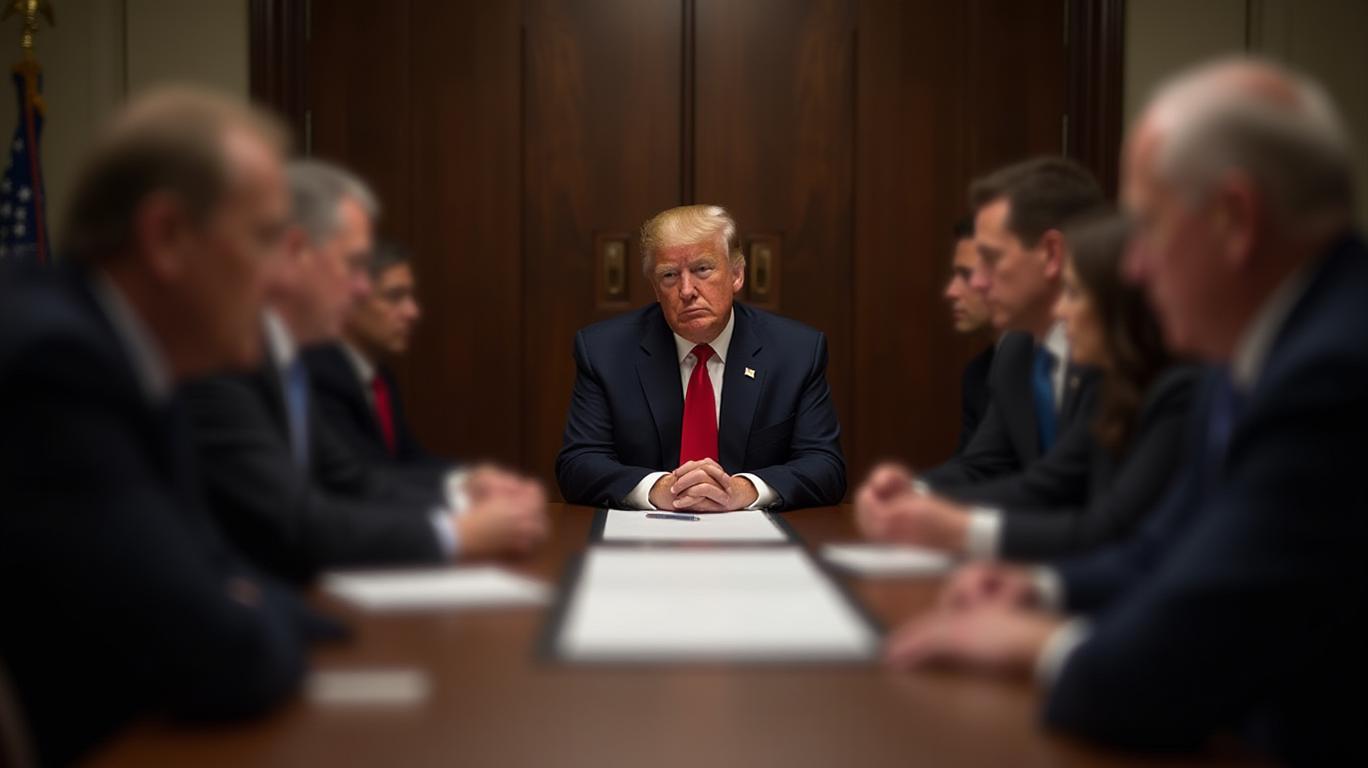
One of the key factors driving European leaders' approaches to engaging with the Trump administration is economic interdependence. The EU and the U.S. have a strong economic relationship, with significant trade and investment ties. In 2023, the EU exported 502 billion euros (about 542 billion U.S. dollars) in goods to the United States. This economic interdependence makes it crucial for European leaders to maintain a strong transatlantic relationship, even in the face of Trump's protectionist policies. However, the potential for Trump to impose sweeping tariffs on European goods, as he proposed during his campaign, poses a significant threat to European economies, particularly those in the automotive, luxury goods, and machinery sectors. This economic pressure may lead European leaders to adopt a more assertive stance in their engagement with the Trump administration.
Another critical factor is security and defense. European leaders are concerned about the Trump administration's approach to security and defense, particularly its criticism of NATO and calls for increased defense spending by European nations. While some European leaders, like French President Emmanuel Macron, have called for a stronger European defense, others, such as German Chancellor Olaf Scholz, have emphasized the importance of a strong U.S. component in European defense. The future evolution of this factor will depend on the Trump administration's policies and the EU's ability to increase its defense spending and integrate it into an effective force.
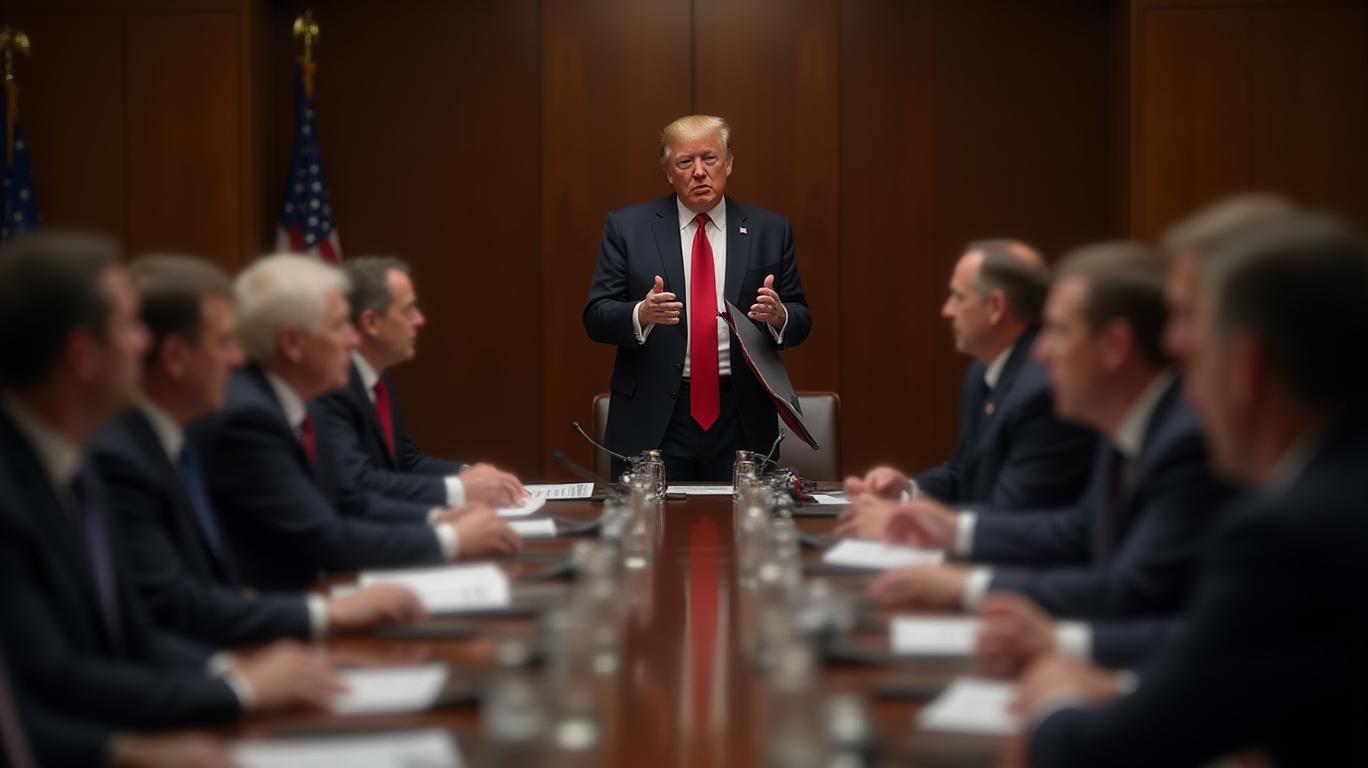
Geopolitical alignment is also a crucial factor for European leaders. Trump's ambivalence toward the Ukraine issue and his apparent willingness to side with Russia over its invasion of Ukraine have raised concerns among European capitals. Additionally, Trump's alignment with other autocratic leaders, such as Hungarian Prime Minister Viktor Orbán and Saudi CrownCRKN-- Prince Mohammed bin Salman, has further complicated European leaders' approaches to engaging with the Trump administration. In the future, European leaders may need to navigate a more complex geopolitical landscape, balancing their relationships with the U.S. and other global powers.
European leaders must also consider the importance of democratic values and human rights in their engagement with the Trump administration. Trump's criticism of the EU's approach to migration and his support for far-right leaders in Europe have raised questions about the compatibility of the U.S. and EU's values. In the future, European leaders may need to prioritize their commitment to democratic values and human rights in their engagement with the Trump administration, even as they seek to maintain a strong transatlantic relationship.
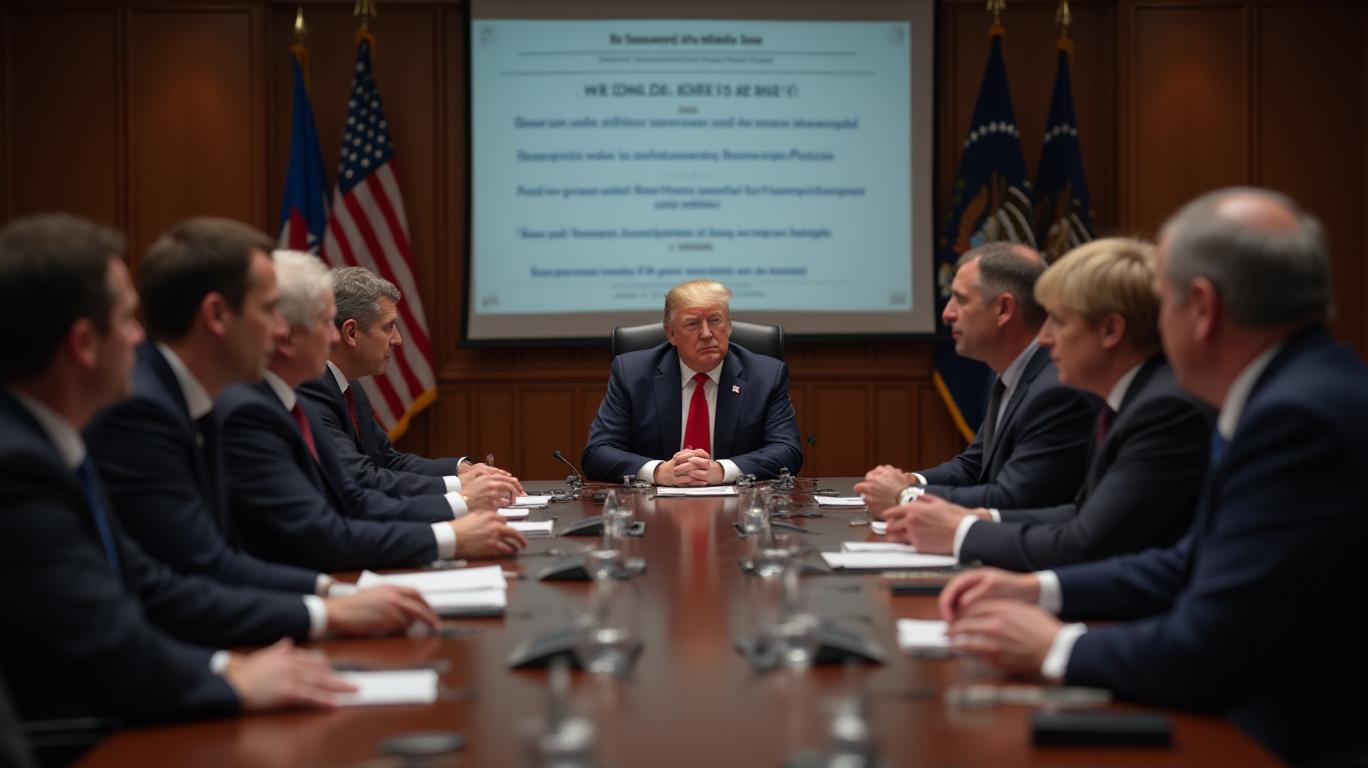
To balance the need to maintain a strong transatlantic relationship with the necessity of protecting European interests and values, European leaders have adopted a two-pronged approach. Firstly, they have engaged in diplomatic efforts to maintain a strong transatlantic relationship. French President Emmanuel Macron, for instance, has emphasized the importance of working with the United States "with respect and ambition" (Source: "Trump's return: European leaders prepare for a new era," 2025-02-26). Similarly, German Chancellor Olaf Scholz has underscored the need for continued collaboration between Germany and the United States for the "well-being of our citizens" (Source: "Trump's return: European leaders prepare for a new era," 2025-02-26). These diplomatic efforts aim to preserve the transatlantic bond while encouraging the United States to consider European interests and values.
Secondly, European leaders have been promoting strategic autonomy to protect European interests and values. This approach involves strengthening Europe's defense capabilities and economic resilience to reduce dependence on the United States. For example, Polish Prime Minister Donald Tusk has emphasized the need for a "much greater ability of Europe to defend itself" (Source: "Trump's return: European leaders prepare for a new era," 2025-02-26). Additionally, the EU has been investing in critical technologies and infrastructure to enhance its economic competitiveness and resilience (Source: "The Draghi Report: A Pathway for European Revival," 2024-11-07).
In conclusion, European leaders face a delicate balancing act in maintaining a strong transatlantic relationship while safeguarding European interests and values in the face of Trump's "America First" policies. They have adopted a two-pronged approach, combining diplomatic engagement with strategic autonomy to navigate this challenge. As the geopolitical landscape continues to evolve, European leaders must remain adaptable and vigilant in their pursuit of a strong, values-driven transatlantic relationship.
As President Trump's administration continues to reshape U.S. foreign policy, European leaders are grappling with the challenge of maintaining a strong transatlantic relationship while protecting European interests and values. The art of "Trump whispering" has become an essential skill for European leaders, who must navigate the delicate balance between engagement and strategic autonomy.
One of the key factors driving European leaders' approaches to engaging with the Trump administration is economic interdependence. The EU and the U.S. have a strong economic relationship, with significant trade and investment ties. In 2023, the EU exported 502 billion euros (about 542 billion U.S. dollars) in goods to the United States. This economic interdependence makes it crucial for European leaders to maintain a strong transatlantic relationship, even in the face of Trump's protectionist policies. However, the potential for Trump to impose sweeping tariffs on European goods, as he proposed during his campaign, poses a significant threat to European economies, particularly those in the automotive, luxury goods, and machinery sectors. This economic pressure may lead European leaders to adopt a more assertive stance in their engagement with the Trump administration.
Another critical factor is security and defense. European leaders are concerned about the Trump administration's approach to security and defense, particularly its criticism of NATO and calls for increased defense spending by European nations. While some European leaders, like French President Emmanuel Macron, have called for a stronger European defense, others, such as German Chancellor Olaf Scholz, have emphasized the importance of a strong U.S. component in European defense. The future evolution of this factor will depend on the Trump administration's policies and the EU's ability to increase its defense spending and integrate it into an effective force.
Geopolitical alignment is also a crucial factor for European leaders. Trump's ambivalence toward the Ukraine issue and his apparent willingness to side with Russia over its invasion of Ukraine have raised concerns among European capitals. Additionally, Trump's alignment with other autocratic leaders, such as Hungarian Prime Minister Viktor Orbán and Saudi CrownCRKN-- Prince Mohammed bin Salman, has further complicated European leaders' approaches to engaging with the Trump administration. In the future, European leaders may need to navigate a more complex geopolitical landscape, balancing their relationships with the U.S. and other global powers.
European leaders must also consider the importance of democratic values and human rights in their engagement with the Trump administration. Trump's criticism of the EU's approach to migration and his support for far-right leaders in Europe have raised questions about the compatibility of the U.S. and EU's values. In the future, European leaders may need to prioritize their commitment to democratic values and human rights in their engagement with the Trump administration, even as they seek to maintain a strong transatlantic relationship.
To balance the need to maintain a strong transatlantic relationship with the necessity of protecting European interests and values, European leaders have adopted a two-pronged approach. Firstly, they have engaged in diplomatic efforts to maintain a strong transatlantic relationship. French President Emmanuel Macron, for instance, has emphasized the importance of working with the United States "with respect and ambition" (Source: "Trump's return: European leaders prepare for a new era," 2025-02-26). Similarly, German Chancellor Olaf Scholz has underscored the need for continued collaboration between Germany and the United States for the "well-being of our citizens" (Source: "Trump's return: European leaders prepare for a new era," 2025-02-26). These diplomatic efforts aim to preserve the transatlantic bond while encouraging the United States to consider European interests and values.
Secondly, European leaders have been promoting strategic autonomy to protect European interests and values. This approach involves strengthening Europe's defense capabilities and economic resilience to reduce dependence on the United States. For example, Polish Prime Minister Donald Tusk has emphasized the need for a "much greater ability of Europe to defend itself" (Source: "Trump's return: European leaders prepare for a new era," 2025-02-26). Additionally, the EU has been investing in critical technologies and infrastructure to enhance its economic competitiveness and resilience (Source: "The Draghi Report: A Pathway for European Revival," 2024-11-07).
In conclusion, European leaders face a delicate balancing act in maintaining a strong transatlantic relationship while safeguarding European interests and values in the face of Trump's "America First" policies. They have adopted a two-pronged approach, combining diplomatic engagement with strategic autonomy to navigate this challenge. As the geopolitical landscape continues to evolve, European leaders must remain adaptable and vigilant in their pursuit of a strong, values-driven transatlantic relationship.

Divulgación editorial y transparencia de la IA: Ainvest News utiliza tecnología avanzada de Modelos de Lenguaje Largo (LLM) para sintetizar y analizar datos de mercado en tiempo real. Para garantizar los más altos estándares de integridad, cada artículo se somete a un riguroso proceso de verificación con participación humana.
Mientras la IA asiste en el procesamiento de datos y la redacción inicial, un miembro editorial profesional de Ainvest revisa, verifica y aprueba de forma independiente todo el contenido para garantizar su precisión y cumplimiento con los estándares editoriales de Ainvest Fintech Inc. Esta supervisión humana está diseñada para mitigar las alucinaciones de la IA y garantizar el contexto financiero.
Advertencia sobre inversiones: Este contenido se proporciona únicamente con fines informativos y no constituye asesoramiento profesional de inversión, legal o financiero. Los mercados conllevan riesgos inherentes. Se recomienda a los usuarios que realicen una investigación independiente o consulten a un asesor financiero certificado antes de tomar cualquier decisión. Ainvest Fintech Inc. se exime de toda responsabilidad por las acciones tomadas con base en esta información. ¿Encontró un error? Reportar un problema


SOBRE NOSOTROS
Nuestra historiaAutores de noticiasBase de conocimientosPolítica de privacidadTérmino de usoDescargo de responsabilidad de corretaje de tercerosTérminos de uso de AIMEDivulgaciones de riesgos de AInvest AICarrerasCONTÁCTENOS
Email: support@ainvest.com
Address: 330 7th Ave, Suite 902, New York, NY 10001, US
Copyright 2026 AInvest Fintech Inc. All rights reserved.


Comentarios
Aún no hay comentarios