
European Financial Sector Consolidation and Strategic Divestments: New Opportunities Amid MPS-Mediobanca and UniCredit's Exit from Generali
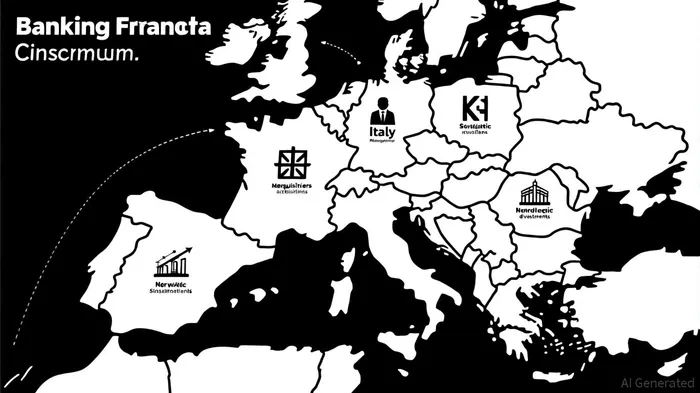
The European financial sector is undergoing a seismic shift in 2025, driven by a confluence of regulatory pressures, technological demands, and the relentless pursuit of scale. At the heart of this transformation are two landmark transactions: Monte dei Paschi di Siena's (MPS) aggressive acquisition of Mediobanca and UniCredit's strategic exit from its stake in Generali. These moves not only reflect the sector's evolving dynamics but also signal a new era of investment opportunities and risks for stakeholders.
The MPS-Mediobanca Takeover: A Case Study in Strategic Consolidation
MPS's €13.5 billion bid for Mediobanca, sweetened with a €0.90 cash payment per share and a revised 35% acceptance threshold, has secured 86.3% of Mediobanca's shares as of September 2025[1]. This acquisition, one of the most significant in Italy's banking history, is not merely a domestic play. By combining Mediobanca's investment banking expertise with MPS's retail banking infrastructure, the merged entity aims to create a diversified financial powerhouse capable of competing with global peers.
Mediobanca, however, is not passively accepting the takeover. The firm has countered by accelerating its acquisition of Banca Generali, a subsidiary of Italy's largest insurer, Generali[2]. This move, approved by the European Central Bank, positions Mediobanca as a formidable wealth manager and underscores the sector's shift toward integrated financial services. The broader implication is clear: consolidation is no longer a defensive strategy but a proactive means to capture market share in a fragmented landscape.
Broader Trends: Scale, Regulation, and Capital Reallocation
The MPS-Mediobanca saga is emblematic of a larger trend. European banks have announced $27 billion in M&A deals in 2025, nearly double the 2024 figure[3]. This surge is fueled by three key factors:
1. Regulatory Tailwinds: The “Danish Compromise,” a regulatory framework favoring financial conglomerates, has incentivized bancassurance deals and cross-sector synergies[4].
2. Excess Capital: Top European banks hold over $300 billion in excess capital, providing both the means and incentive to pursue transformative deals[3].
3. Cost Efficiency: Consolidation in markets like Italy and the Nordic countries allows banks to reduce fixed costs through shared IT systems and branch networks[3].
UniCredit's divestment of its stake in Generali exemplifies the second and third drivers. By exiting non-core assets, UniCredit has redirected capital toward its domestic banking operations and cross-border expansion[5]. This strategic divestment aligns with a sector-wide trend of rationalizing portfolios to focus on high-growth areas such as wealth management and digital payments.
Investor Opportunities: Beyond the Balance Sheet
For investors, the current environment offers compelling opportunities. European bank valuations, bolstered by improved profitability and regulatory clarity, are near record highs. M&A deals now yield returns double those of stock buybacks, making them an attractive use of excess capital[3]. Key areas to watch include:
- Wealth Management: The combined Mediobanca-Banca Generali entity could become a top-tier wealth manager, capitalizing on Europe's aging population and rising demand for asset management[2].
- Technology-Driven Synergies: Banks acquiring fintechs or digital infrastructure are poised to enhance fee-based income streams, particularly in payments and asset-backed financing[3].
- Cross-Border Expansion: The UK and Nordic markets, with their fragmented banking sectors, remain fertile ground for consolidation[3].
However, risks persist. Political resistance to cross-border deals—evidenced by recent conflicts over UniCredit's proposed acquisition of Commerzbank—highlights the need for regulatory agility[6]. Additionally, geopolitical uncertainties, such as U.S. tariff threats, could disrupt capital flows and deal valuations[3].
Conclusion: Navigating a Transformed Landscape
The MPS-Mediobanca and UniCredit-General deals are not isolated events but harbingers of a broader structural shift in European finance. As banks prioritize scale, efficiency, and regulatory compliance, investors must balance the allure of high-growth opportunities with the complexities of a fragmented and politically sensitive landscape. The next phase of consolidation will likely favor institutions that can integrate technology, navigate regulatory hurdles, and capitalize on the sector's evolving value chains.







Comentarios
Aún no hay comentarios