
Europe's Auto Sector: Plugging Leaks Amidst Global Competition
Generado por agente de IAWesley Park
lunes, 2 de diciembre de 2024, 3:41 am ET1 min de lectura
FORD--
The European auto industry, long a symbol of the region's manufacturing prowess, is facing unprecedented challenges. As Chinese electric vehicle (EV) manufacturers gain ground, European automakers scramble to adapt, leading to plant closures and job cuts. Volkswagen, Ford, and others are grappling with the fallout, reshaping their operations to remain competitive in a rapidly evolving market.
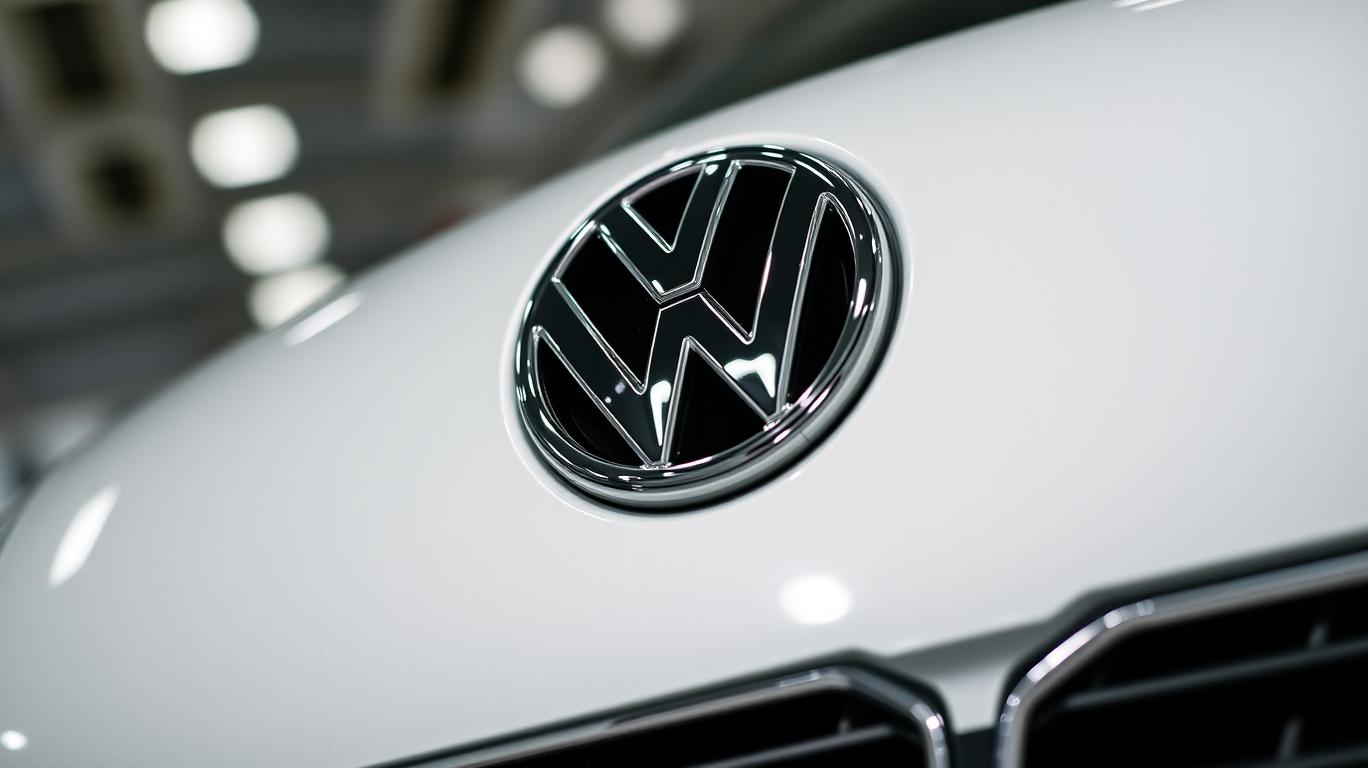
Volkswagen, Europe's largest automaker, is considering closing up to three German plants. The move, sparked by rising competition and high operating costs, signals a significant restructuring. Ford, too, is reducing its European workforce by 4,000, primarily in Germany, by 2027. These strategic decisions aim to tackle misalignments between CO2 regulations and consumer demand for EVs, as well as economic pressures and competition from Chinese automakers.
Union agreements and employment protection pacts have historically shielded European workers from job cuts. However, as the auto industry faces intensifying competition and regulatory pressures, these protections are being tested. Volkswagen's 1994 employment protection agreement (APA) with labor unions bars layoffs until 2029, making it challenging to reduce labor costs. Meanwhile, Ford's collective bargaining agreements provide job security, shaping working conditions and limiting layoffs.
Plant closures and layoffs threaten to dampen European GDP growth, as the auto industry contributes 8% of the EU's GDP and accounts for 11% of jobs. Related industries will also feel the pinch, as production cuts and job losses reduce consumer spending and business investment. According to the European Automobile Manufacturers' Association, a 1% drop in car sales results in a 0.07% decrease in EU GDP.
Employment rates and labor market dynamics in the EU will also be affected, with Germany's southern state of Lower Saxony, the heart of the German auto industry, being particularly vulnerable. The EU's high tariffs on Chinese imports have not been effective in protecting domestic automakers, leading to further job losses. The impact on the labor market will be severe, with potentially dire consequences for consumer spending and demand in affected regions.
In conclusion, Europe's embattled auto sector is grappling with plant closures and layoffs, a response to increased competition from Chinese EV manufacturers and regulatory pressures. To navigate this challenging landscape, automakers must adapt their strategies, addressing cost-cutting measures while managing the impact on employment and GDP growth. As the auto industry transforms, it is crucial for policymakers, investors, and workers to work together to ensure a sustainable future for Europe's manufacturing heartland.
The European auto industry, long a symbol of the region's manufacturing prowess, is facing unprecedented challenges. As Chinese electric vehicle (EV) manufacturers gain ground, European automakers scramble to adapt, leading to plant closures and job cuts. Volkswagen, Ford, and others are grappling with the fallout, reshaping their operations to remain competitive in a rapidly evolving market.
Volkswagen, Europe's largest automaker, is considering closing up to three German plants. The move, sparked by rising competition and high operating costs, signals a significant restructuring. Ford, too, is reducing its European workforce by 4,000, primarily in Germany, by 2027. These strategic decisions aim to tackle misalignments between CO2 regulations and consumer demand for EVs, as well as economic pressures and competition from Chinese automakers.
Union agreements and employment protection pacts have historically shielded European workers from job cuts. However, as the auto industry faces intensifying competition and regulatory pressures, these protections are being tested. Volkswagen's 1994 employment protection agreement (APA) with labor unions bars layoffs until 2029, making it challenging to reduce labor costs. Meanwhile, Ford's collective bargaining agreements provide job security, shaping working conditions and limiting layoffs.
Plant closures and layoffs threaten to dampen European GDP growth, as the auto industry contributes 8% of the EU's GDP and accounts for 11% of jobs. Related industries will also feel the pinch, as production cuts and job losses reduce consumer spending and business investment. According to the European Automobile Manufacturers' Association, a 1% drop in car sales results in a 0.07% decrease in EU GDP.
Employment rates and labor market dynamics in the EU will also be affected, with Germany's southern state of Lower Saxony, the heart of the German auto industry, being particularly vulnerable. The EU's high tariffs on Chinese imports have not been effective in protecting domestic automakers, leading to further job losses. The impact on the labor market will be severe, with potentially dire consequences for consumer spending and demand in affected regions.
In conclusion, Europe's embattled auto sector is grappling with plant closures and layoffs, a response to increased competition from Chinese EV manufacturers and regulatory pressures. To navigate this challenging landscape, automakers must adapt their strategies, addressing cost-cutting measures while managing the impact on employment and GDP growth. As the auto industry transforms, it is crucial for policymakers, investors, and workers to work together to ensure a sustainable future for Europe's manufacturing heartland.

Divulgación editorial y transparencia de la IA: Ainvest News utiliza tecnología avanzada de Modelos de Lenguaje Largo (LLM) para sintetizar y analizar datos de mercado en tiempo real. Para garantizar los más altos estándares de integridad, cada artículo se somete a un riguroso proceso de verificación con participación humana.
Mientras la IA asiste en el procesamiento de datos y la redacción inicial, un miembro editorial profesional de Ainvest revisa, verifica y aprueba de forma independiente todo el contenido para garantizar su precisión y cumplimiento con los estándares editoriales de Ainvest Fintech Inc. Esta supervisión humana está diseñada para mitigar las alucinaciones de la IA y garantizar el contexto financiero.
Advertencia sobre inversiones: Este contenido se proporciona únicamente con fines informativos y no constituye asesoramiento profesional de inversión, legal o financiero. Los mercados conllevan riesgos inherentes. Se recomienda a los usuarios que realicen una investigación independiente o consulten a un asesor financiero certificado antes de tomar cualquier decisión. Ainvest Fintech Inc. se exime de toda responsabilidad por las acciones tomadas con base en esta información. ¿Encontró un error? Reportar un problema


SOBRE NOSOTROS
Nuestra historiaAutores de noticiasBase de conocimientosPolítica de privacidadTérmino de usoDescargo de responsabilidad de corretaje de tercerosTérminos de uso de AIMEDivulgaciones de riesgos de AInvest AICarrerasCONTÁCTENOS
Email: support@ainvest.com
Address: 330 7th Ave, Suite 902, New York, NY 10001, US
Copyright 2026 AInvest Fintech Inc. All rights reserved.


Comentarios
Aún no hay comentarios