
Europe's Jet Fighter Dilemma: Airbus CEO Warns of Two-Year Deadline
Generado por agente de IAHarrison Brooks
jueves, 16 de enero de 2025, 3:16 am ET2 min de lectura
ALGN--
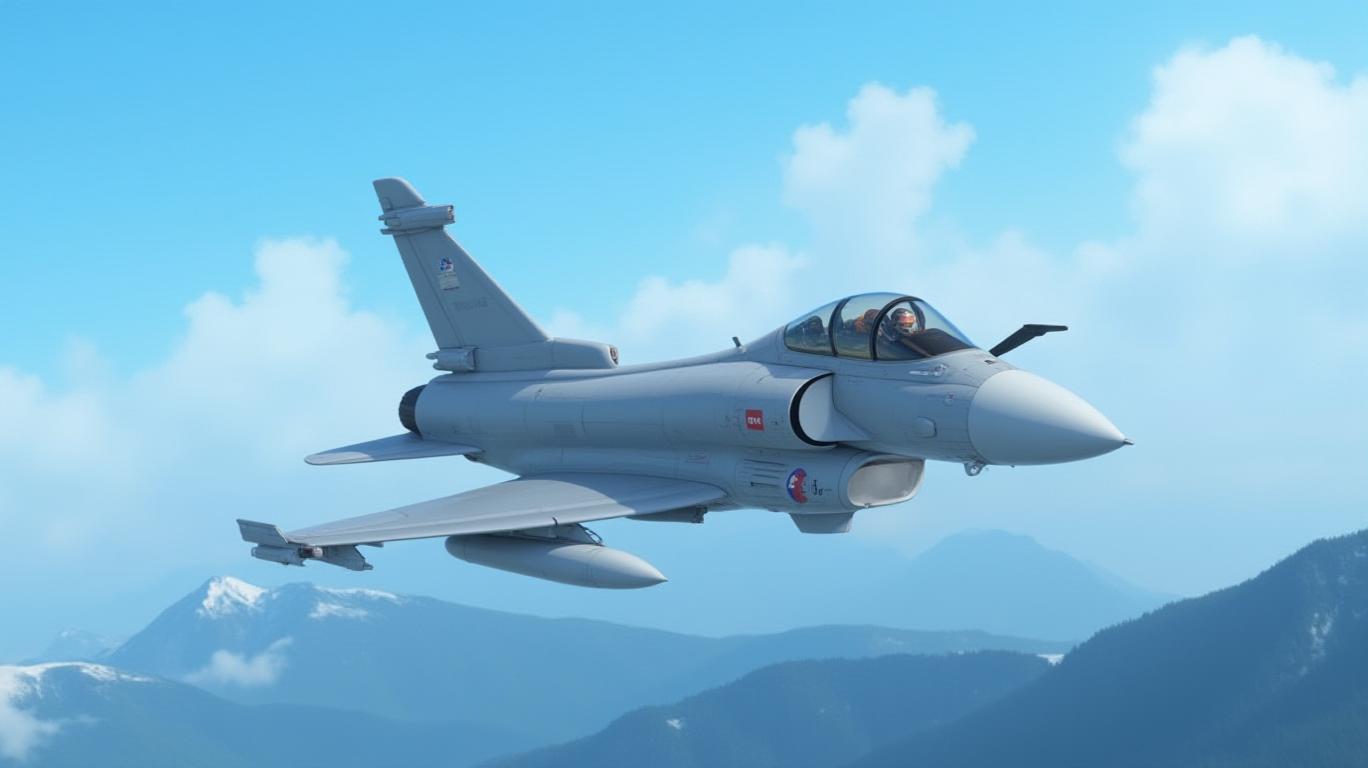
The replacement for the Eurofighter Typhoon is facing a critical juncture, with Airbus CEO Guillaume Faury warning that Europe has just two years to resolve the jet fighter fiasco. The Future Combat Air System (FCAS) and the rival Global Combat Air Programme (GCAP) are both developing a replacement for the Eurofighter Typhoon, but they have different technological approaches that could impact interoperability and cost. With the war in Ukraine highlighting the need for a robust and efficient defense industry, European governments must collaborate to avoid duplicating R&D efforts and maximize shared capabilities.
The FCAS, led by Airbus, is developing a system that integrates European technology standards and parts, while the GCAP, spearheaded by BAE Systems, is focusing on a different set of technology standards and parts. Guillaume Faury, Airbus' CEO, warned that developing different technology standards and parts could result in significantly higher costs due to duplication of efforts and lack of interoperability. To avoid this, governments should ensure that the two programmes align their technology standards and parts to create synergies and reduce duplication.
Both programmes aim to incorporate combat-cloud technology, which enables the integration of battle drones potentially controlled from a fighter's cockpit. However, the specific implementation and integration of this technology could differ between the two programs, potentially impacting interoperability and data sharing. Additionally, the duplication of R&D efforts and the potential need to develop separate supply chains for each program could result in higher costs for European taxpayers.
European governments can collaborate to avoid duplicating R&D efforts and maximize shared capabilities in several ways. Firstly, they should align technology standards and parts between the FCAS and GCAP programmes to create synergies and reduce duplication. Secondly, governments can share engines, sensors, and combat-cloud technology between the two programmes to improve interoperability and reduce costs. Thirdly, European governments can pool resources and expertise to create economies of scale and reduce duplication. For example, the armed forces of European countries operate a complex portfolio of defense equipment, which can hinder interoperability and achieve greater economies of scale through larger programs.
Collaboration on research and development projects can also help avoid duplicating efforts and maximize shared capabilities. For instance, the European Union's Horizon 2020 research and innovation program has funded collaborative projects involving multiple countries, leading to innovative solutions and cost savings. Standardizing military equipment across European countries can help reduce costs, improve interoperability, and maximize shared capabilities. For example, the European Defense Agency has been working on standardization initiatives, such as the European Common Armament System, to create a more efficient and cost-effective defense industry.
Public-private partnerships can play a significant role in accelerating the development and deployment of next-generation fighter jets in Europe. By sharing risks and investments, governments and private companies can mitigate financial burdens on individual governments and enable more ambitious projects. Technological expertise and innovation from private companies can help drive advancements in stealth technology, avionics, and other critical areas, enabling the development of cutting-edge fighter jets. Efficient resource allocation, attracting private capital, and enhancing interoperability are additional benefits of public-private partnerships.
In conclusion, Europe has just two years to resolve the jet fighter fiasco, as warned by Airbus CEO Guillaume Faury. European governments must collaborate to avoid duplicating R&D efforts and maximize shared capabilities by aligning technology standards and parts, sharing engines, sensors, and combat-cloud technology, pooling resources and expertise, and encouraging defense innovation. Public-private partnerships can also play a crucial role in accelerating the development and deployment of next-generation fighter jets in Europe. With the war in Ukraine highlighting the need for a robust and efficient defense industry, European governments must take immediate action to address the jet fighter dilemma and ensure the security of the continent.
The replacement for the Eurofighter Typhoon is facing a critical juncture, with Airbus CEO Guillaume Faury warning that Europe has just two years to resolve the jet fighter fiasco. The Future Combat Air System (FCAS) and the rival Global Combat Air Programme (GCAP) are both developing a replacement for the Eurofighter Typhoon, but they have different technological approaches that could impact interoperability and cost. With the war in Ukraine highlighting the need for a robust and efficient defense industry, European governments must collaborate to avoid duplicating R&D efforts and maximize shared capabilities.
The FCAS, led by Airbus, is developing a system that integrates European technology standards and parts, while the GCAP, spearheaded by BAE Systems, is focusing on a different set of technology standards and parts. Guillaume Faury, Airbus' CEO, warned that developing different technology standards and parts could result in significantly higher costs due to duplication of efforts and lack of interoperability. To avoid this, governments should ensure that the two programmes align their technology standards and parts to create synergies and reduce duplication.
Both programmes aim to incorporate combat-cloud technology, which enables the integration of battle drones potentially controlled from a fighter's cockpit. However, the specific implementation and integration of this technology could differ between the two programs, potentially impacting interoperability and data sharing. Additionally, the duplication of R&D efforts and the potential need to develop separate supply chains for each program could result in higher costs for European taxpayers.
European governments can collaborate to avoid duplicating R&D efforts and maximize shared capabilities in several ways. Firstly, they should align technology standards and parts between the FCAS and GCAP programmes to create synergies and reduce duplication. Secondly, governments can share engines, sensors, and combat-cloud technology between the two programmes to improve interoperability and reduce costs. Thirdly, European governments can pool resources and expertise to create economies of scale and reduce duplication. For example, the armed forces of European countries operate a complex portfolio of defense equipment, which can hinder interoperability and achieve greater economies of scale through larger programs.
Collaboration on research and development projects can also help avoid duplicating efforts and maximize shared capabilities. For instance, the European Union's Horizon 2020 research and innovation program has funded collaborative projects involving multiple countries, leading to innovative solutions and cost savings. Standardizing military equipment across European countries can help reduce costs, improve interoperability, and maximize shared capabilities. For example, the European Defense Agency has been working on standardization initiatives, such as the European Common Armament System, to create a more efficient and cost-effective defense industry.
Public-private partnerships can play a significant role in accelerating the development and deployment of next-generation fighter jets in Europe. By sharing risks and investments, governments and private companies can mitigate financial burdens on individual governments and enable more ambitious projects. Technological expertise and innovation from private companies can help drive advancements in stealth technology, avionics, and other critical areas, enabling the development of cutting-edge fighter jets. Efficient resource allocation, attracting private capital, and enhancing interoperability are additional benefits of public-private partnerships.
In conclusion, Europe has just two years to resolve the jet fighter fiasco, as warned by Airbus CEO Guillaume Faury. European governments must collaborate to avoid duplicating R&D efforts and maximize shared capabilities by aligning technology standards and parts, sharing engines, sensors, and combat-cloud technology, pooling resources and expertise, and encouraging defense innovation. Public-private partnerships can also play a crucial role in accelerating the development and deployment of next-generation fighter jets in Europe. With the war in Ukraine highlighting the need for a robust and efficient defense industry, European governments must take immediate action to address the jet fighter dilemma and ensure the security of the continent.

Divulgación editorial y transparencia de la IA: Ainvest News utiliza tecnología avanzada de Modelos de Lenguaje Largo (LLM) para sintetizar y analizar datos de mercado en tiempo real. Para garantizar los más altos estándares de integridad, cada artículo se somete a un riguroso proceso de verificación con participación humana.
Mientras la IA asiste en el procesamiento de datos y la redacción inicial, un miembro editorial profesional de Ainvest revisa, verifica y aprueba de forma independiente todo el contenido para garantizar su precisión y cumplimiento con los estándares editoriales de Ainvest Fintech Inc. Esta supervisión humana está diseñada para mitigar las alucinaciones de la IA y garantizar el contexto financiero.
Advertencia sobre inversiones: Este contenido se proporciona únicamente con fines informativos y no constituye asesoramiento profesional de inversión, legal o financiero. Los mercados conllevan riesgos inherentes. Se recomienda a los usuarios que realicen una investigación independiente o consulten a un asesor financiero certificado antes de tomar cualquier decisión. Ainvest Fintech Inc. se exime de toda responsabilidad por las acciones tomadas con base en esta información. ¿Encontró un error? Reportar un problema


SOBRE NOSOTROS
Nuestra historiaAutores de noticiasBase de conocimientosPolítica de privacidadTérmino de usoDescargo de responsabilidad de corretaje de tercerosTérminos de uso de AIMEDivulgaciones de riesgos de AInvest AICarrerasCONTÁCTENOS
Email: support@ainvest.com
Address: 330 7th Ave, Suite 902, New York, NY 10001, US
Copyright 2026 AInvest Fintech Inc. All rights reserved.


Comentarios
Aún no hay comentarios