
Europe Gas Plunges After Putin Says US Deal May Revive Flows
Generado por agente de IACyrus Cole
jueves, 13 de marzo de 2025, 1:23 pm ET2 min de lectura
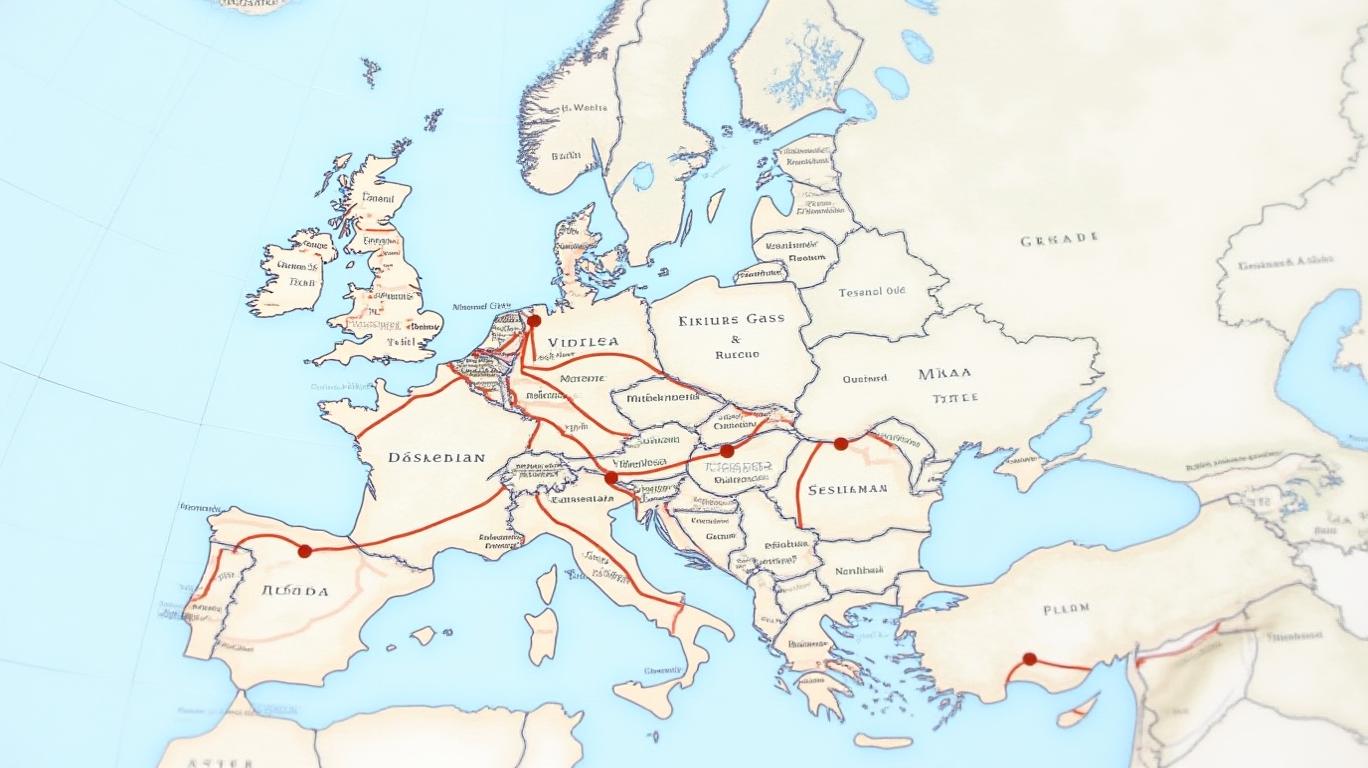
The European natural gas market is in turmoil following Vladimir Putin's recent comments hinting at a potential revival of gas flows from Russia to Europe. This development comes at a critical juncture, as Europe grapples with the aftermath of Russia's invasion of Ukraine and the subsequent reduction in Russian pipeline gas supplies. The geopolitical implications of this potential shift are vast, affecting everything from energy security to the broader geopolitical dynamics of the region.
Immediate Energy Security Concerns
The reduction in Russian pipeline gas supplies to Europe, which dropped to around 20% of their pre-war level, has led to a dramatic increase in gas prices and heightened energy insecurity. A revival of gas flows could alleviate some of these immediate concerns by stabilizing prices and ensuring a more secure supply of natural gas for European consumers. However, the terms and conditions under which these flows are resumed will be crucial. If the revival is contingent on the certification of Nord Stream 2, as some experts have suggested, it could exacerbate tensions between Russia and Ukraine, as well as between Russia and other European nations that oppose the pipeline.
Economic Implications
The potential revival of gas flows from Russia could have significant economic implications for Europe. Increased natural gas supplies could lead to a reduction in gas prices, benefiting European consumers and industries by lowering their energy costs. However, this could also hinder Europe's transition towards renewable energy sources. As Europe becomes increasingly dependent on LNG imports, it is exposed to the liquidity and volatility of the global LNG market. This dependence could delay the transition to renewable energy sources, as natural gas may become a primary energy source, making renewable energy sources less competitive.
Geopolitical Dynamics
The revival of gas flows from Russia to Europe could also have implications for the broader geopolitical dynamics of the region. Russia has emerged as a major key player in the 21st-century geopolitical "chessboard," and any revival of gas flows could be seen as a sign of Russia's continued influence and power. This could have implications for the broader geopolitical dynamics of the region, as well as for the energy security strategies of individual European nations. As Hanna Hopko points out, "the recent surge in gas prices is nothing more than Russia's blackmail to enforce the launch of its political project, Nord Stream 2, on its terms." This suggests that any revival of gas flows from Russia to Europe could be seen as a means of exerting political pressure on Europe, rather than a genuine effort to address energy security concerns.
REPowerEU Program
The European Union's REPowerEU program, which aims to achieve independence from Russian fossilFOSL-- fuels by 2027, could be significantly influenced by the possibility of revived gas flows from Russia. The program includes short-term measures to reduce gas demand and manage security of supply, such as rapidly increasing European LNG import capacity. However, if Russia were to successfully regain some of its pre-crisis gas export levels, particularly through a pivot to Asia strategy, it could potentially lower global prices and enable Europe to secure imports at lower prices. This could either support or hinder the REPowerEU program's goals, depending on the extent to which Russia can regain its market share and the effectiveness of Europe's policies to accelerate gas demand reduction.
Conclusion
The potential revival of gas flows from Russia to Europe, as hinted by Putin, could have significant implications for the current geopolitical dynamics and energy security strategies of European nations. While it could alleviate some of the immediate energy security concerns, it could also exacerbate tensions between Russia and Ukraine, undermine Europe's efforts to transition to a low-carbon economy, and have implications for the broader geopolitical dynamics of the region. The European Union's REPowerEU program, aimed at achieving independence from Russian fossil fuels by 2027, could be significantly influenced by this development, depending on the extent to which Russia can regain its market share and the effectiveness of Europe's policies to accelerate gas demand reduction.



Divulgación editorial y transparencia de la IA: Ainvest News utiliza tecnología avanzada de Modelos de Lenguaje Largo (LLM) para sintetizar y analizar datos de mercado en tiempo real. Para garantizar los más altos estándares de integridad, cada artículo se somete a un riguroso proceso de verificación con participación humana.
Mientras la IA asiste en el procesamiento de datos y la redacción inicial, un miembro editorial profesional de Ainvest revisa, verifica y aprueba de forma independiente todo el contenido para garantizar su precisión y cumplimiento con los estándares editoriales de Ainvest Fintech Inc. Esta supervisión humana está diseñada para mitigar las alucinaciones de la IA y garantizar el contexto financiero.
Advertencia sobre inversiones: Este contenido se proporciona únicamente con fines informativos y no constituye asesoramiento profesional de inversión, legal o financiero. Los mercados conllevan riesgos inherentes. Se recomienda a los usuarios que realicen una investigación independiente o consulten a un asesor financiero certificado antes de tomar cualquier decisión. Ainvest Fintech Inc. se exime de toda responsabilidad por las acciones tomadas con base en esta información. ¿Encontró un error? Reportar un problema


SOBRE NOSOTROS
Nuestra historiaAutores de noticiasBase de conocimientosPolítica de privacidadTérmino de usoDescargo de responsabilidad de corretaje de tercerosTérminos de uso de AIMEDivulgaciones de riesgos de AInvest AICarrerasCONTÁCTENOS
Email: support@ainvest.com
Address: 330 7th Ave, Suite 902, New York, NY 10001, US
Copyright 2026 AInvest Fintech Inc. All rights reserved.


Comentarios
Aún no hay comentarios