
Europe Demands Seat at the Table: Ukraine Peace Talks in Jeopardy
Generado por agente de IATheodore Quinn
lunes, 17 de febrero de 2025, 8:01 pm ET1 min de lectura
KLG--
As the conflict in Ukraine enters its fourth year, European leaders are growing increasingly concerned about being sidelined in potential peace negotiations between the United States and Russia. The European Union (EU) and several European countries have insisted on playing a key role in any discussions regarding Ukraine's security, fearing that a deal struck without their input could compromise their strategic interests in the region.
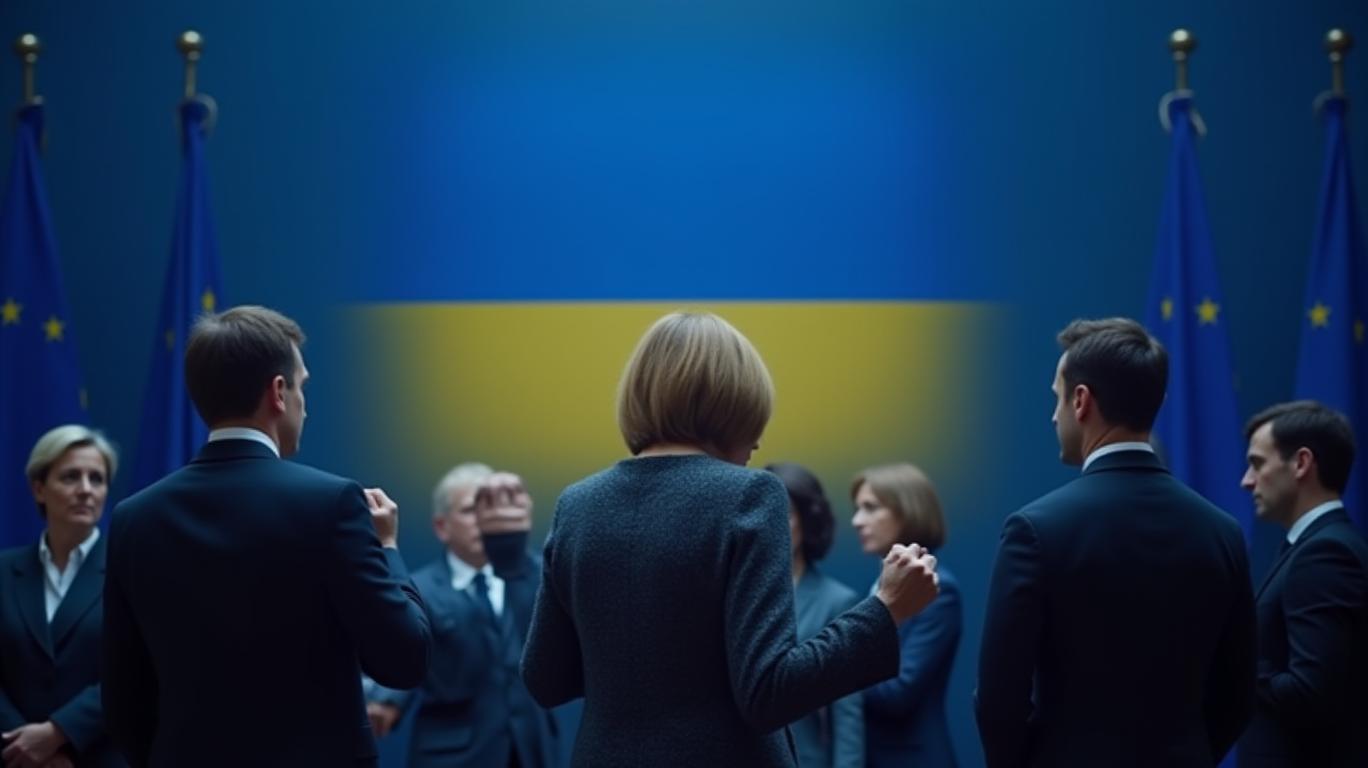
The EU's top diplomat, Kaja Kallas, has emphasized the need for Europe to be involved in any peace talks, stating, "Ukraine's security is Europe's security. If there is a discussion about Ukraine's security, Europe is concerned. If there's a discussion about Europe's security, it also involves Ukraine." This sentiment has been echoed by other European leaders, including French President Emmanuel Macron, who has called for a "consultation talks" to address the changing U.S. approach to Ukraine and the attendant risks to European security.
However, the Trump administration's recent actions have raised concerns among European leaders. U.S. President Donald Trump's phone call with Russian President Vladimir Putin, in which they discussed a swift ceasefire in Ukraine without consulting the EU or Ukraine, has left European leaders feeling marginalized. Additionally, U.S. officials, including Trump's special envoy for Ukraine and Russia, Keith Kellogg, have suggested that Europe may not be involved in any Ukraine-Russia talks, despite Zelenskyy's call for Europe to take part.
European leaders have expressed alarm at the prospect of being excluded from the peace process, with German Chancellor Olaf Scholz warning that any peace agreement must ensure Ukraine's sovereignty and endure over time. French President Emmanuel Macron has called for an emergency meeting of European leaders in Paris to discuss the situation, while Ukrainian President Volodymyr Zelenskyy has insisted that any agreement must be struck with Ukraine, not over its head.
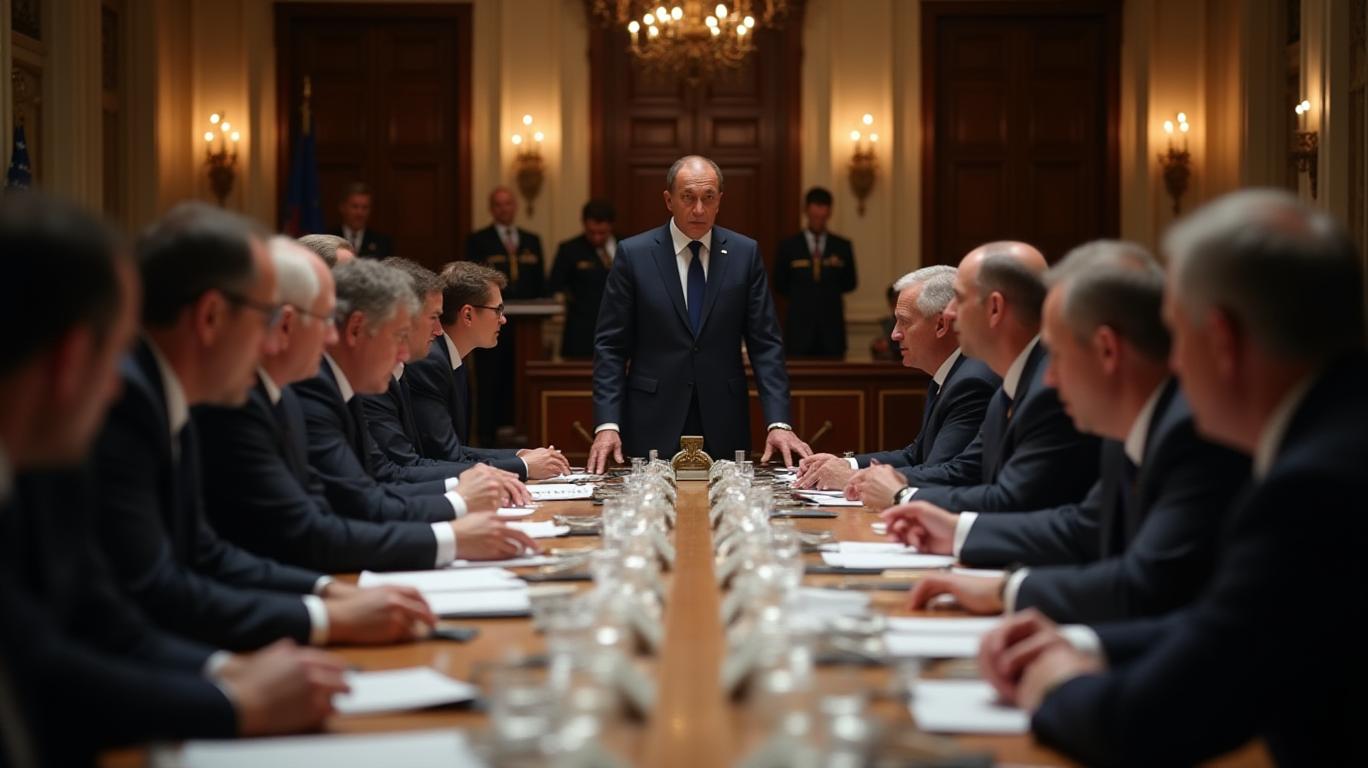
The future of Ukraine hangs in the balance as U.S. officials head to Saudi Arabia to begin direct negotiations with Moscow over ending the war. European leaders are scrambling to come up with a strategy for their own security, with some considering deploying forces to Ukraine if there is a peace deal. However, the EU's support for Ukraine's sovereignty and territorial integrity could be affected by a U.S.-Russia peace deal that does not align with European priorities.
In conclusion, Europe's demand for a seat at the table in Ukraine peace talks highlights the growing divergence between U.S. and European security interests. As the conflict enters its fourth year, European leaders must work together to ensure that their strategic interests in the region are protected and that any peace deal struck between the United States and Russia takes into account the concerns of European nations. The future of Europe's security and stability may depend on it.
SEAT--
As the conflict in Ukraine enters its fourth year, European leaders are growing increasingly concerned about being sidelined in potential peace negotiations between the United States and Russia. The European Union (EU) and several European countries have insisted on playing a key role in any discussions regarding Ukraine's security, fearing that a deal struck without their input could compromise their strategic interests in the region.
The EU's top diplomat, Kaja Kallas, has emphasized the need for Europe to be involved in any peace talks, stating, "Ukraine's security is Europe's security. If there is a discussion about Ukraine's security, Europe is concerned. If there's a discussion about Europe's security, it also involves Ukraine." This sentiment has been echoed by other European leaders, including French President Emmanuel Macron, who has called for a "consultation talks" to address the changing U.S. approach to Ukraine and the attendant risks to European security.
However, the Trump administration's recent actions have raised concerns among European leaders. U.S. President Donald Trump's phone call with Russian President Vladimir Putin, in which they discussed a swift ceasefire in Ukraine without consulting the EU or Ukraine, has left European leaders feeling marginalized. Additionally, U.S. officials, including Trump's special envoy for Ukraine and Russia, Keith Kellogg, have suggested that Europe may not be involved in any Ukraine-Russia talks, despite Zelenskyy's call for Europe to take part.
European leaders have expressed alarm at the prospect of being excluded from the peace process, with German Chancellor Olaf Scholz warning that any peace agreement must ensure Ukraine's sovereignty and endure over time. French President Emmanuel Macron has called for an emergency meeting of European leaders in Paris to discuss the situation, while Ukrainian President Volodymyr Zelenskyy has insisted that any agreement must be struck with Ukraine, not over its head.
The future of Ukraine hangs in the balance as U.S. officials head to Saudi Arabia to begin direct negotiations with Moscow over ending the war. European leaders are scrambling to come up with a strategy for their own security, with some considering deploying forces to Ukraine if there is a peace deal. However, the EU's support for Ukraine's sovereignty and territorial integrity could be affected by a U.S.-Russia peace deal that does not align with European priorities.
In conclusion, Europe's demand for a seat at the table in Ukraine peace talks highlights the growing divergence between U.S. and European security interests. As the conflict enters its fourth year, European leaders must work together to ensure that their strategic interests in the region are protected and that any peace deal struck between the United States and Russia takes into account the concerns of European nations. The future of Europe's security and stability may depend on it.

Divulgación editorial y transparencia de la IA: Ainvest News utiliza tecnología avanzada de Modelos de Lenguaje Largo (LLM) para sintetizar y analizar datos de mercado en tiempo real. Para garantizar los más altos estándares de integridad, cada artículo se somete a un riguroso proceso de verificación con participación humana.
Mientras la IA asiste en el procesamiento de datos y la redacción inicial, un miembro editorial profesional de Ainvest revisa, verifica y aprueba de forma independiente todo el contenido para garantizar su precisión y cumplimiento con los estándares editoriales de Ainvest Fintech Inc. Esta supervisión humana está diseñada para mitigar las alucinaciones de la IA y garantizar el contexto financiero.
Advertencia sobre inversiones: Este contenido se proporciona únicamente con fines informativos y no constituye asesoramiento profesional de inversión, legal o financiero. Los mercados conllevan riesgos inherentes. Se recomienda a los usuarios que realicen una investigación independiente o consulten a un asesor financiero certificado antes de tomar cualquier decisión. Ainvest Fintech Inc. se exime de toda responsabilidad por las acciones tomadas con base en esta información. ¿Encontró un error? Reportar un problema


SOBRE NOSOTROS
Nuestra historiaAutores de noticiasBase de conocimientosPolítica de privacidadTérmino de usoDescargo de responsabilidad de corretaje de tercerosTérminos de uso de AIMEDivulgaciones de riesgos de AInvest AICarrerasCONTÁCTENOS
Email: support@ainvest.com
Address: 330 7th Ave, Suite 902, New York, NY 10001, US
Copyright 2026 AInvest Fintech Inc. All rights reserved.


Comentarios
Aún no hay comentarios