
Euro Volatility, Korean Won Resilience: A Tale of Two Currencies
Generado por agente de IAWesley Park
miércoles, 4 de diciembre de 2024, 9:15 pm ET2 min de lectura
CRM--
The Euro has been wobbling in recent months, a casualty of the geopolitical storms brewing across Europe. Meanwhile, the South Korean won has remained steady, a beacon of stability amidst global market fluctuations. Let's delve into the factors driving these currency dynamics and explore the implications for investors.
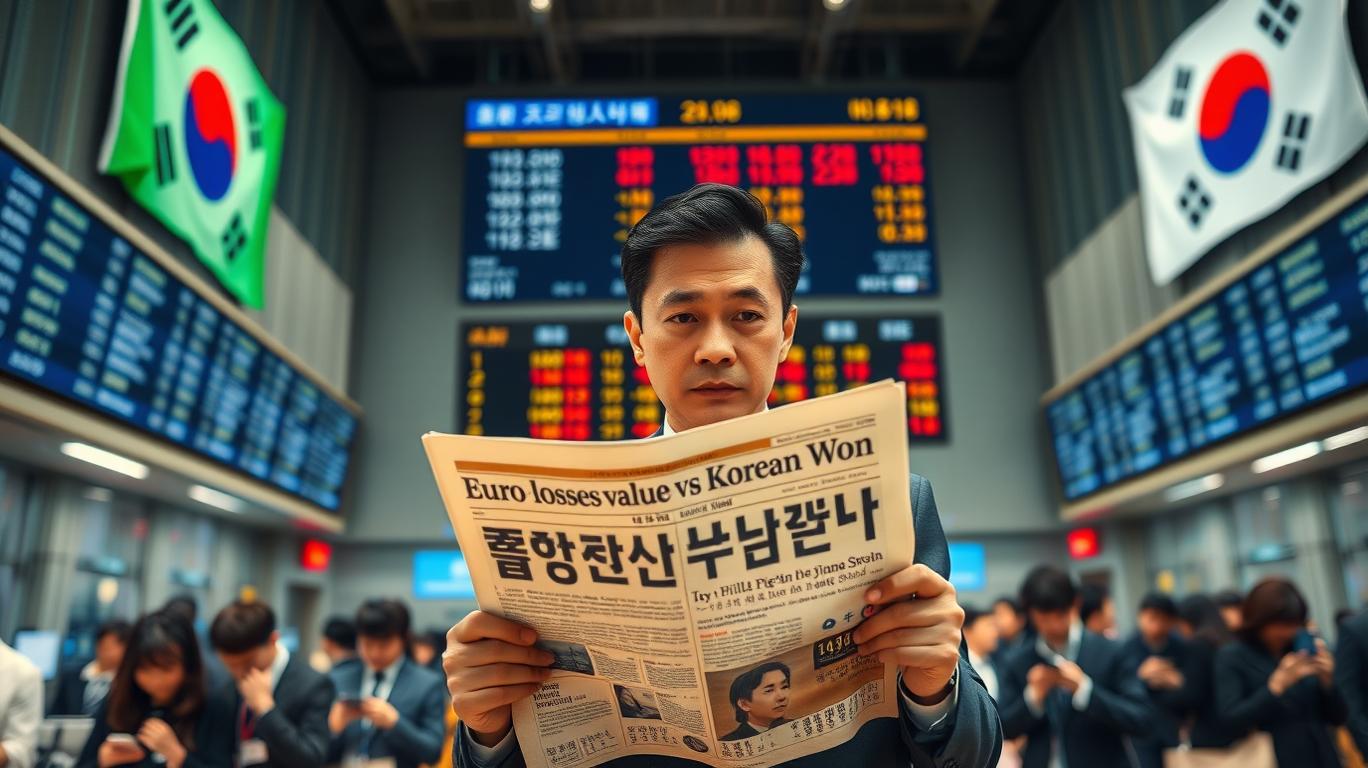
The Euro's recent volatility can be attributed to a perfect storm of political tensions, from Brexit negotiations to the rise of populism in countries like France and Italy. The Russia-Ukraine conflict has added another layer of uncertainty, as economic sanctions and geopolitical risks weigh on investor confidence. In contrast, South Korea's political landscape has been relatively stable, backed by robust economic growth and exports, particularly in tech and automobile sectors. This stability, coupled with the country's successful COVID-19 response, has bolstered investor confidence in the Korean won.
As an investor, managing political risks in Europe while seeking opportunities in stable markets like South Korea is crucial. Diversifying your portfolio with undervalued sectors like energy stocks can help mitigate risks and capitalize on under-owned opportunities. Furthermore, strategic acquisitions, such as Salesforce's purchase of Slack, can drive organic growth and bolster a company's value.
Geopolitical tensions between the EU and external actors, like the United States or China, also significantly impact the Euro's exchange rate and global investment sentiments. For instance, U.S.-EU trade disputes in 2018 led to a weaker Euro, costing the EU €1.2 billion in lost exports. Conversely, political stability and cooperation, like the U.S.-EU trade agreement in 2020, can strengthen the Euro and encourage investment in the EU.
South Korea's domestic economic policy and fiscal management contribute to the won's resilience. The government's focus on maintaining a balanced budget, coupled with prudent monetary policy, has helped maintain confidence in the currency. Additionally, the country's high savings rate, around 30%, provides a buffer against external shocks.
Foreign investment and trade patterns also influence the stability of the South Korean won. In 2020, South Korea's trade surplus reached an all-time high of $94.1 billion, primarily due to robust exports in electronics and automobiles, which strengthened the won. Additionally, foreign direct investment (FDI) inflows in 2020 amounted to $17.9 billion, a 3.6% increase from 2019, bolstering the won by increasing demand for Korean currency.
Geopolitical factors, such as relations with North Korea and regional allies, also impact the South Korean won's performance. The absence of significant geopolitical tensions with North Korea and a focus on economic development have bolstered the won's resilience. South Korea's active diplomacy in Southeast Asia and the Middle East has expanded its global influence, further enhancing its currency's stability.
In conclusion, the Euro's volatility and the Korean won's resilience offer valuable insights for investors seeking stability and growth. By diversifying portfolios, focusing on under-owned sectors, and monitoring geopolitical developments, investors can navigate market uncertainties and capitalize on opportunities.
PUK--
The Euro has been wobbling in recent months, a casualty of the geopolitical storms brewing across Europe. Meanwhile, the South Korean won has remained steady, a beacon of stability amidst global market fluctuations. Let's delve into the factors driving these currency dynamics and explore the implications for investors.
The Euro's recent volatility can be attributed to a perfect storm of political tensions, from Brexit negotiations to the rise of populism in countries like France and Italy. The Russia-Ukraine conflict has added another layer of uncertainty, as economic sanctions and geopolitical risks weigh on investor confidence. In contrast, South Korea's political landscape has been relatively stable, backed by robust economic growth and exports, particularly in tech and automobile sectors. This stability, coupled with the country's successful COVID-19 response, has bolstered investor confidence in the Korean won.
As an investor, managing political risks in Europe while seeking opportunities in stable markets like South Korea is crucial. Diversifying your portfolio with undervalued sectors like energy stocks can help mitigate risks and capitalize on under-owned opportunities. Furthermore, strategic acquisitions, such as Salesforce's purchase of Slack, can drive organic growth and bolster a company's value.
Geopolitical tensions between the EU and external actors, like the United States or China, also significantly impact the Euro's exchange rate and global investment sentiments. For instance, U.S.-EU trade disputes in 2018 led to a weaker Euro, costing the EU €1.2 billion in lost exports. Conversely, political stability and cooperation, like the U.S.-EU trade agreement in 2020, can strengthen the Euro and encourage investment in the EU.
South Korea's domestic economic policy and fiscal management contribute to the won's resilience. The government's focus on maintaining a balanced budget, coupled with prudent monetary policy, has helped maintain confidence in the currency. Additionally, the country's high savings rate, around 30%, provides a buffer against external shocks.
Foreign investment and trade patterns also influence the stability of the South Korean won. In 2020, South Korea's trade surplus reached an all-time high of $94.1 billion, primarily due to robust exports in electronics and automobiles, which strengthened the won. Additionally, foreign direct investment (FDI) inflows in 2020 amounted to $17.9 billion, a 3.6% increase from 2019, bolstering the won by increasing demand for Korean currency.
Geopolitical factors, such as relations with North Korea and regional allies, also impact the South Korean won's performance. The absence of significant geopolitical tensions with North Korea and a focus on economic development have bolstered the won's resilience. South Korea's active diplomacy in Southeast Asia and the Middle East has expanded its global influence, further enhancing its currency's stability.
In conclusion, the Euro's volatility and the Korean won's resilience offer valuable insights for investors seeking stability and growth. By diversifying portfolios, focusing on under-owned sectors, and monitoring geopolitical developments, investors can navigate market uncertainties and capitalize on opportunities.

Divulgación editorial y transparencia de la IA: Ainvest News utiliza tecnología avanzada de Modelos de Lenguaje Largo (LLM) para sintetizar y analizar datos de mercado en tiempo real. Para garantizar los más altos estándares de integridad, cada artículo se somete a un riguroso proceso de verificación con participación humana.
Mientras la IA asiste en el procesamiento de datos y la redacción inicial, un miembro editorial profesional de Ainvest revisa, verifica y aprueba de forma independiente todo el contenido para garantizar su precisión y cumplimiento con los estándares editoriales de Ainvest Fintech Inc. Esta supervisión humana está diseñada para mitigar las alucinaciones de la IA y garantizar el contexto financiero.
Advertencia sobre inversiones: Este contenido se proporciona únicamente con fines informativos y no constituye asesoramiento profesional de inversión, legal o financiero. Los mercados conllevan riesgos inherentes. Se recomienda a los usuarios que realicen una investigación independiente o consulten a un asesor financiero certificado antes de tomar cualquier decisión. Ainvest Fintech Inc. se exime de toda responsabilidad por las acciones tomadas con base en esta información. ¿Encontró un error? Reportar un problema


SOBRE NOSOTROS
Nuestra historiaAutores de noticiasBase de conocimientosPolítica de privacidadTérmino de usoDescargo de responsabilidad de corretaje de tercerosTérminos de uso de AIMEDivulgaciones de riesgos de AInvest AICarrerasCONTÁCTENOS
Email: support@ainvest.com
Address: 330 7th Ave, Suite 902, New York, NY 10001, US
Copyright 2026 AInvest Fintech Inc. All rights reserved.


Comentarios
Aún no hay comentarios