
EU-U.S. Trade Deal Crossroads: Tariff Exemptions and Sectoral Rebound Opportunities
The EU and U.S. stand at a critical juncture in their trade negotiations, with July 9, 2025, marking a decisive deadline to avoid a dramatic escalation of tariffs. The stakes are immense for Europe's industrials, tech, and energy sectors, as unresolved disputes over baseline tariffs, automotive quotas, and digital regulations could either unlock undervalued investment opportunities or trigger a wave of retaliatory measures. Here's how investors should position for this high-stakes game of tariffs and trade-offs.
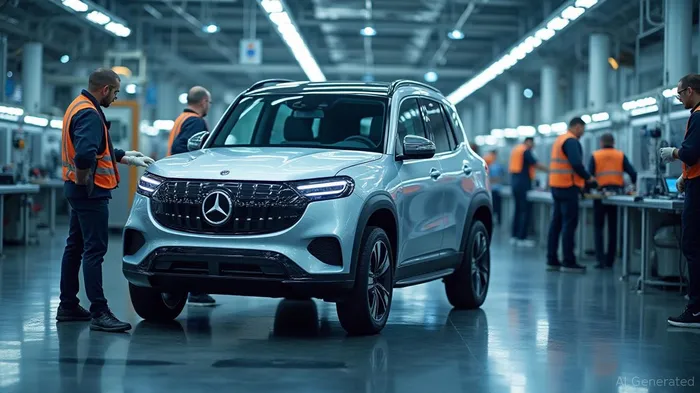
Automotive Sector: A Race Against the Clock
The automotive industry is the linchpin of these negotiations. U.S. tariffs on EU cars—already at 25% under national security grounds—could rise to 50% if no deal is reached by July 9. Meanwhile, the U.K. secured a 10% tariff rate for up to 100,000 cars annually, a stark contrast to the EU's stalled talks.
For European automakers like Daimler (DAI.DE) and Stellantis (STLA), the outcome is existential. A 10% baseline tariff is manageable for premium brands but threatens mass-market producers. However, even this “sticking point” could be a backdoor win: if the U.S. accepts the EU's push for exemptions on key models (e.g., electric vehicles), it could unlock a surge in transatlantic sales.
Investment Play: Buy automakers with U.S. production exposure or EV-focused portfolios. A July deal could catalyze a 15-20% rebound in their valuations by late 2025.
Steel and Aluminum: A Crucible of Geopolitical Bidding
The U.S. doubled global steel and aluminum tariffs to 50%, excluding the U.K. (25%). The EU exports £370 million in steel annually to the U.S.—a lifeline it cannot afford to lose. While the EU seeks exemptions akin to the U.K.'s deal, U.S. negotiators remain firm on the 10% baseline.
Firms like ThyssenKrupp (TKA.GR) and ArcelorMittal (MT) could see margins improve if tariffs are capped at 10%. However, the unresolved “melted and poured” requirement—a rule demanding steel be processed in the U.S.—adds uncertainty.
Investment Play: Steel stocks are a “wait-and-see” bet. Short-term volatility is likely, but a July deal could push sectoral earnings estimates up by 8-12% by year-end.
LNG and Energy: A Non-Tariff Battle
The U.S. has weaponized energy in negotiations, demanding concessions on LNG sales and energy standards. The EU, however, refuses to link LNG to tariff talks, prioritizing its reliance on Russian gas alternatives.
For TotalEnergies (TTE.F) and Equinor (EQNR), the silver lining lies in U.S. LNG's declining competitiveness against cheaper Middle Eastern supplies. A trade deal might accelerate EU-U.S. energy partnerships, but investors should focus on companies with diversified supply chains.
Risk Alert: If the U.S. imposes retaliatory tariffs on EU LNG imports—a low-probability but nonzero outcome—equity valuations could drop by 5-7%.
Tech and Critical Minerals: A Double-Edged Sword
The U.S. has delayed semiconductor tariffs but is poised to target pharmaceuticals “soon.” Meanwhile, China's rare earth export restrictions and the U.S.-China trade framework remain unresolved, creating a “mineral chokepoint” for EU tech firms.
Investment Play: Avoid pure-play semiconductor stocks unless tariffs are scrapped. Instead, favor EU tech firms with exposure to AI hardware (e.g., ASML) or those insulated from U.S. demands, such as SAP (SAP).
Risks and Reality Checks
- Digital Regulations: GDPR vs. U.S. data laws could reignite disputes, derailing broader agreements.
- Chinese Competition: China's dominance in rare earths and tech could undercut EU-U.S. gains.
- Policy Whiplash: President Trump's erratic trade stance remains a wildcard, with California's EV mandate repeal already spooking automakers.
Final Analysis: July 9 Is the New Y2K
The EU's 90-day retaliatory tariff pause expires in mid-July, leaving a narrow window for compromise. Investors should:
- Overweight automotive equities (e.g., Daimler, Stellantis) if a deal is struck.
- Underweight tech stocks until pharmaceutical tariffs are clarified.
- Monitor steel firms for post-July earnings revisions.
The prize? A potential 10-15% sectoral rebound across industrials and energy by year-end—if the EU and U.S. can finally agree to disagree on the 10% baseline.
Timeline to Watch:
- July 8-9: Deadline for tariff decisions.
- October 2025: Canada's steel/aluminum retaliation looms, testing U.S. resolve.
- Summer 2025: Semiconductor tariffs expected—time to act swiftly.
The trade deal isn't just about tariffs; it's about who controls the next decade's supply chains. The EU needs this deal more than it admits—and investors should bet on that desperation.
The next 30 days will decide if Europe's industrials rise or fall.





Comentarios
Aún no hay comentarios