
EU Threatens Further Retaliation as Tariff Dispute with US Continues
The European Union has shown a measured response to the recent tariff imposition by the United States, demonstrating both patience and resolve. Maros Sefcovic, the EU's trade commissioner, stated that the EU would not wait indefinitely for the U.S. to engage in negotiations to resolve the ongoing trade disputes. This stance underscores the EU's strategic approach to managing trade tensions, aiming to avoid escalation while signaling its unwillingness to tolerate indefinite delays in resolving issues.
The EU's decision to impose retaliatory tariffs on goods imported from the U.S. in response to increased tariffs on steel and aluminum is a clear indication of its commitment to defending its interests. The EU's trade ministers, who metMET-- in Luxembourg for an emergency meeting, agreed that engaging with the U.S. is necessary but emphasized that this process requires time and effort. Sefcovic highlighted that while the EU is open to dialogue, it will not wait indefinitely and will consider further retaliatory measures if necessary.
In an effort to de-escalate tensions, the EU proposed a "zero-for-zero" tariff agreement on industrial products such as automobiles and chemicals. This proposal, initially discussed during a meeting between Sefcovic and U.S. Commerce Secretary Wilbur RossROST-- on February 19, aims to eliminate tariffs across the AtlanticATLN--. The EU's proactive approach in seeking a mutually beneficial solution reflects its broader strategy to address protectionist policies and promote fair trade practices.
The EU's response to tariffs is not limited to the U.S. but extends to other regions that impose tariffs on EU goods. For instance, the EU has taken measures against Vietnam in response to tariffs on EU products, demonstrating its commitment to a level playing field in international trade. This approach aligns with the EU's long-standing advocacy for multilateralism and a rules-based international trading system.
In summary, the EU's response to tariffs showcases a balanced and strategic approach to managing trade tensions. By demonstrating patience while setting clear limits, the EU aims to resolve disputes while defending its interests. This approach underscores the EU's commitment to fair and open trade and its willingness to take action to promote these principles. The EU's proactive measures, including the proposed "zero-for-zero" tariff agreement, reflect its dedication to fostering a more equitableEQH-- and cooperative global trading environment. 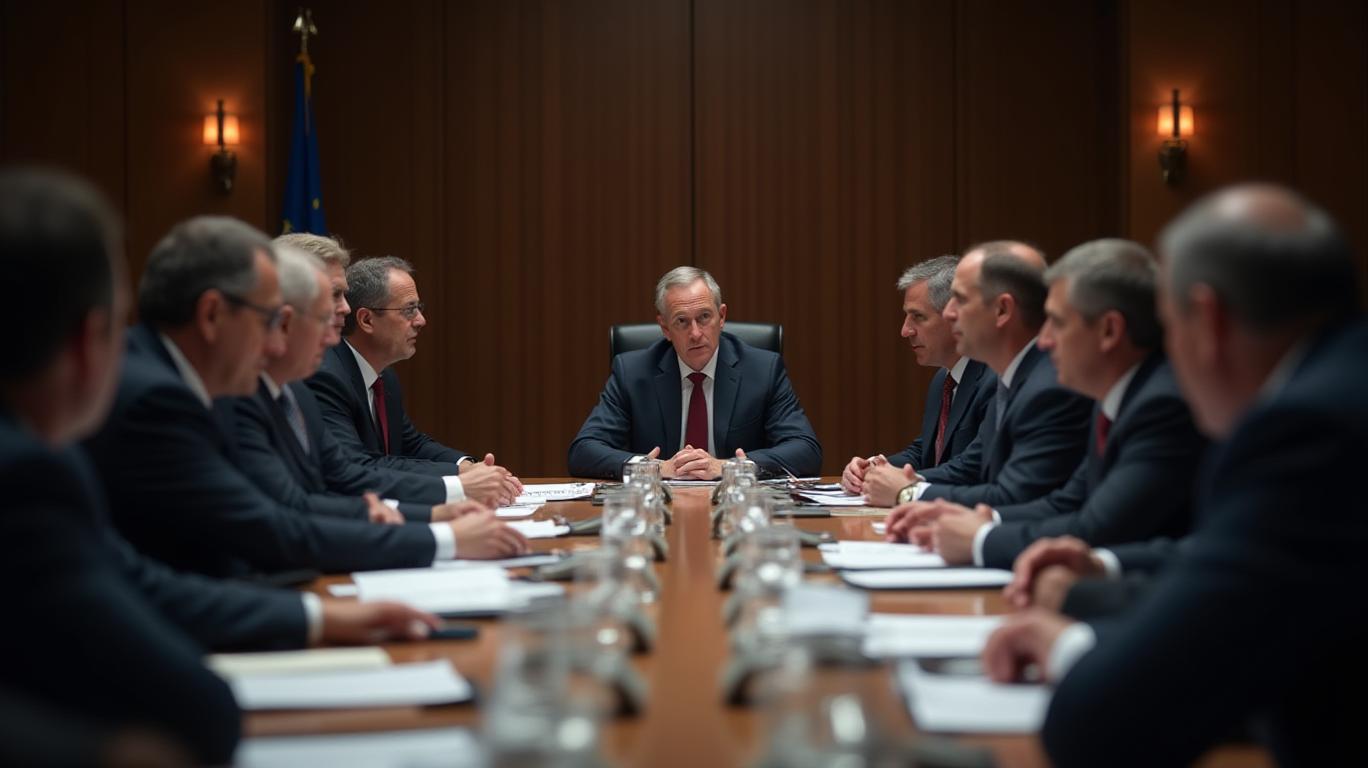







Comentarios
Aún no hay comentarios