
EU Steel Safeguards Would Lead to Crippling Price Hikes for Manufacturing, Lobby Group Says
The European Union has proposed new steel safeguards to protect domestic steel producers from excessive import volumes. These measures include cutting tariff-free import quotas and imposing a 50% duty on excess shipments. The aim is to support struggling EU steel mills by reducing external competition.
The European Steel Using Industries, a lobby group representing downstream manufacturers such as automakers and agricultural equipment producers, has strongly criticized the proposed safeguards. The group argues that the measures would significantly increase production costs and harm the competitiveness of European manufacturers in global markets.
Manufacturers estimate that the new tariffs could result in annual costs of between €5 billion and €9 billion. This would be on top of existing costs from other EU policies like the Carbon Border Adjustment Mechanism (CBAM) and the phaseout of free ETS allowances according to industry analysis.
Why Did This Happen?
The European Commission introduced the safeguards due to concerns over rising steel imports and the impact of U.S. tariffs on EU steel exports. The Commission aims to increase steel mill utilization rates in the EU from 67% to 80% by reducing foreign competition.
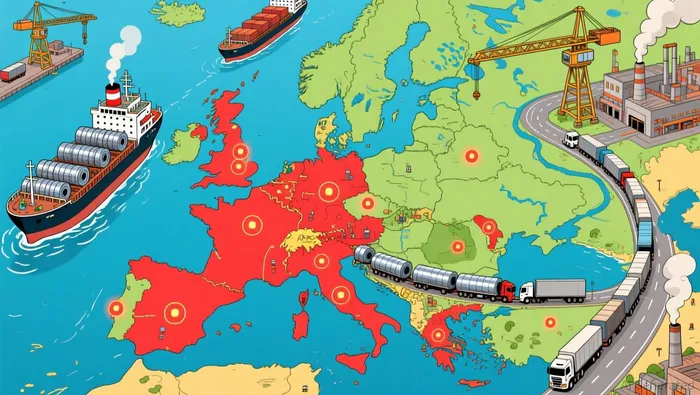
Domestic steel producers have been operating below capacity for some time, partly due to global overcapacity and unfair trade practices. The Commission believes that the new measures will help restore a more level playing field.
How Did Markets React?
The proposed safeguards have been met with resistance from key EU member states and industries. Countries with large steel-consuming sectors, such as Germany and the UK, have raised concerns about negative impacts on their manufacturing bases.
The European Steel Using Industries has called for a more balanced approach that better reflects the needs of both producers and users of steel. They argue that the current proposal risks harming European industries that rely on steel for their operations.
What Are Analysts Watching Next?
Analysts are closely monitoring how the legislative process unfolds. The final version of the safeguards may differ from the current proposal based on negotiations and feedback from stakeholders. A compromise could lead to more targeted protections without triggering excessive cost increases.
Investors are also watching the potential ripple effects on the broader EU manufacturing sector. Increased steel prices could reduce profit margins for industries such as automotive, construction, and machinery. This could affect EU exports and the competitiveness of European manufacturers globally.
The administrative burden of the new rules is another point of concern. The introduction of the "melt and pour" rule, which requires detailed origin documentation for steel consignments, is expected to disproportionately impact small businesses.
The debate over EU steel safeguards highlights the tension between protecting domestic industries and maintaining competitive markets. While the Commission seeks to shield steel producers, the potential costs to manufacturers and the broader economy remain a critical issue.
The outcome of this policy shift could influence other sectors and trade relationships. The EU's approach to steel protection may set a precedent for other industries and trade agreements, especially with close partners who are not considered contributors to global overcapacity.







Comentarios
Aún no hay comentarios