
EU Sanctions and Geopolitical Risks: Navigating Investment Opportunities in a Shifting Energy Landscape
The European Union’s escalating demands for Russia to cease aggression in Ukraine have reshaped global energy markets, geopolitical alliances, and investment landscapes. As the conflict enters its fourth year, the EU’s sanctions regime—coupled with shifting trade dynamics and hybrid threats—has created both risks and opportunities for investors. Below, we dissect the implications for energy investments, geopolitical stability, and strategic asset allocation.
Geopolitical Risks: A High-Stakes Balance
The EU’s April 2025 demands for Russia to halt attacks, including recent strikes on Sumy and Kryvyi Rih, underscore the urgency of accountability. However, the risk of a Russia-imposed ceasefire—a top concern for EU analysts—remains acute. Such an outcome could embolden Moscow to rearm while destabilizing regional allies like Georgia and Moldova.
Sanctions have already reduced Russia’s fossilFOSL-- fuel revenues by 11% since 2022, but evasion tactics, such as “shadow tankers” and discounted deals with China/India, limit their efficacy. Investors must monitor these loopholes, as stricter enforcement could trigger sudden price volatility or supply disruptions.
Energy Trade Shifts: Asia’s Rise and EU’s Diversification
The EU’s fossil fuel imports from Russia now account for just 9% of top buyers’ volumes, with China and India driving a 42% and 41% rise in March 2025 crude imports, respectively. This shift highlights Asia’s growing role in Russian energy trade, but buyers are negotiating steep discounts—a 16% revenue gain for China versus a 36% volume increase signals pricing pressures.
Meanwhile, the EU is accelerating LNG imports and pipeline projects like TurkStream, which rose 14% year-on-year in Q1 2025.
Investment Opportunities in Energy Transition and Compliance
- LNG Infrastructure: EU projects like Poland’s Baltic Pipe and Turkey’s LNG terminals offer growth potential as the bloc reduces pipeline gas dependency.
- Asian Refining Sectors: China and India’s refineries benefit from discounted Russian crude, but investors must weigh geopolitical risks.
- Renewables and Grids: Sanctions-driven energy diversification may accelerate solar/wind investments in the EU and Middle East.
Risks and Mitigation Strategies
- Shadow Tankers and Environmental Liabilities: Older, uninsured vessels (36% over 20 years old) pose ecological and financial risks. Investors in maritime logistics must prioritize compliance and insurance adequacy.
- Policy Uncertainty: Proposed U.S. tariffs (up to 500%) and OPEC+ production hikes could disrupt oil prices. Monitor Brent crude trends closely.
- Sanction Evasion Loopholes: Ship-to-ship transfers in EU waters account for €119 million/day in Russian oil trade. Stricter STS bans could reshape trade routes abruptly.
Conclusion: A Strategic Path Forward
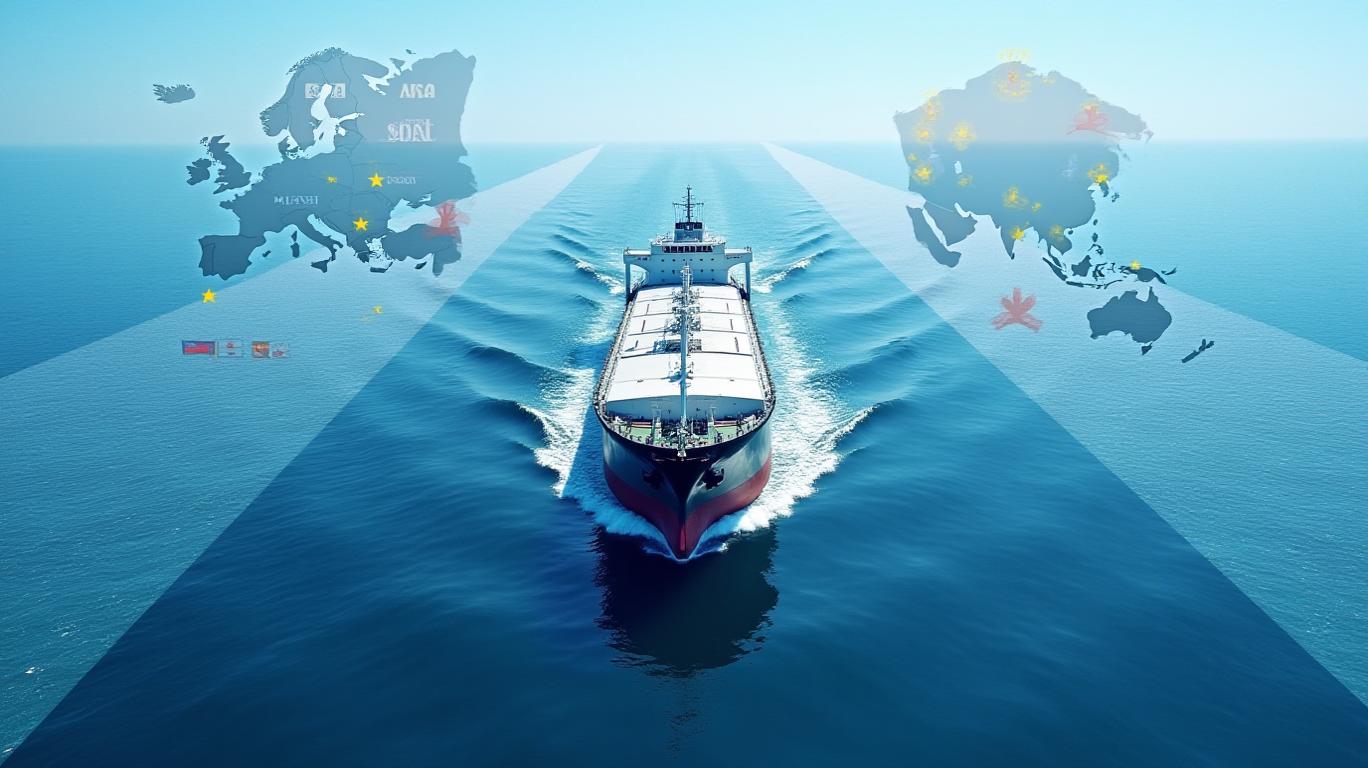
The EU’s sanctions regime and Russia’s aggression have created a bifurcated energy market: Asia gains access to discounted crude, while the EU pivots to LNG and renewables. Investors should prioritize:
- Diversification: Allocate to LNG infrastructure (e.g., QatarEnergy’s Golden Pass) and EU grid modernization projects.
- Due Diligence: Avoid Russian energy stocks (e.g., Gazprom’s 60% drop since 2022) and favor compliance-focused firms.
- Risk Management: Track Russian oil prices () and EU sanctions updates to anticipate volatility.
The EU’s resolve to tighten sanctions—potentially lowering price caps to $30/barrel—could further pressure Russia’s war economy, but investors must balance these opportunities with the risks of geopolitical tipping points. In this high-stakes landscape, agility and foresight will define success.







Comentarios
Aún no hay comentarios