
EU's Balancing Act: Cajoling Trump on Trade, Preparing Retaliation
Generado por agente de IAEli Grant
jueves, 21 de noviembre de 2024, 11:21 am ET2 min de lectura
ANSC--
HOG--
WTO--
As the US presidential election approaches, the European Union (EU) finds itself in a delicate position regarding trade relations with the United States. With Donald Trump's trade policies and potential tariffs looming, the EU is adopting a strategic approach that combines diplomacy with prepared retaliation. This article explores the EU's balancing act, its potential impact on key industries, and the role of multilateral organizations in mitigating economic fallout.
The EU is offering a carrot-and-stick approach to Trump, aiming to appease his voter base with quick trade deals on US products like lobster and soybeans while preparing targeted tariffs on US imports if necessary. This strategy seeks to protect EU interests while minimizing disruption to the transatlantic relationship. However, the EU's offer may not be enough to deter Trump from imposing punitive tariffs if he perceives the EU as not meeting his demands.
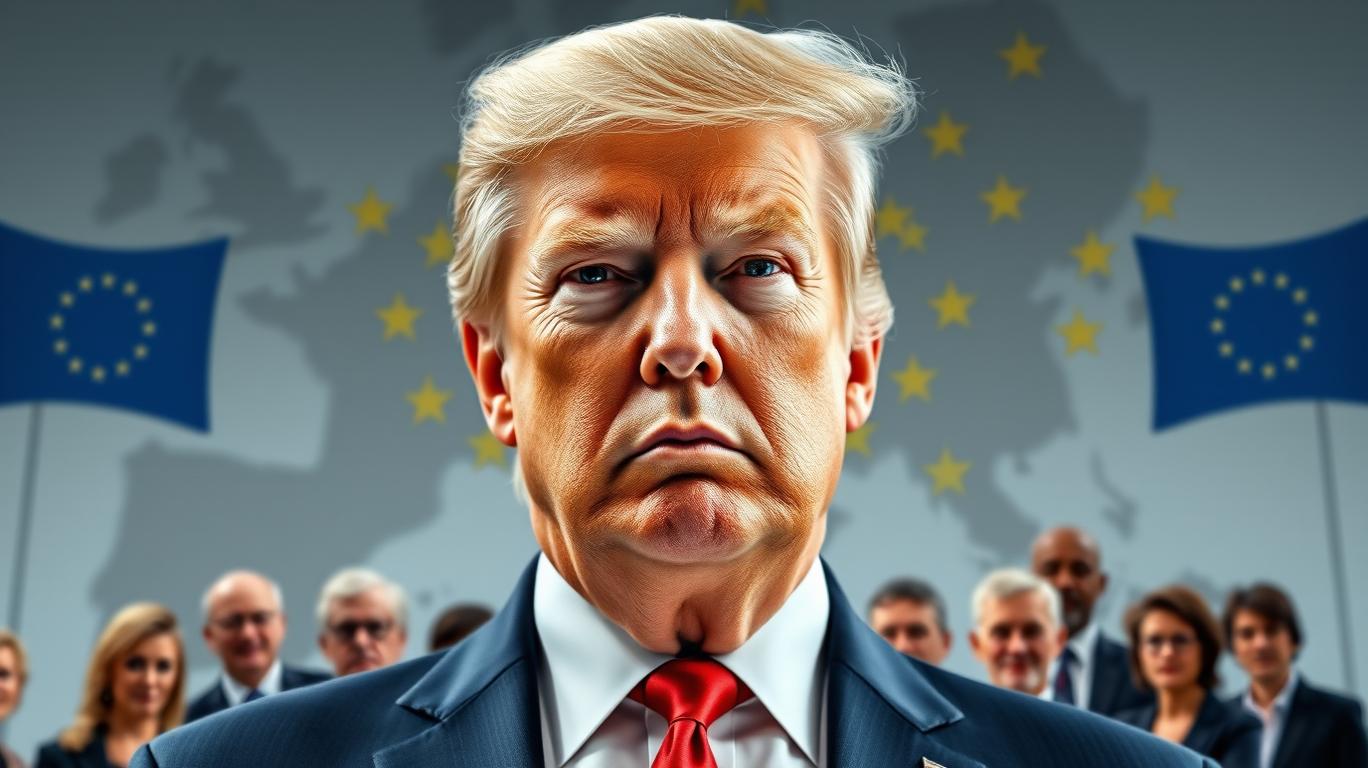
The EU's targeted retaliation measures, such as rebalancing tariffs on bourbon whiskey, Harley-Davidson motorcycles, and power boats, directly impact Trump's core voter base. These products are popular among Trump's supporters, particularly in swing states. By imposing tariffs, the EU increases the cost of these goods for US consumers, potentially swaying voter sentiment. This strategy could pressure Trump to reconsider his trade policies, as he may face backlash from his core supporters.
A trade war between the EU and the US could significantly impact key industries on both sides. The automotive sector, for instance, would face substantial disruption. The EU runs a substantial goods trade surplus with the US, with cars being a significant export. German manufacturers, in particular, could be heavily targeted. The tech industry could also face repercussions, with the EU's recent anti-subsidy investigation on Chinese electric vehicles indicating a willingness to protect its market. Agriculture, too, would be affected, with the EU's agricultural sector benefiting from the US's large market, and a trade war potentially disrupting this.
A trade war could have significant knock-on effects on global supply chains and international trade dynamics. The EU, accounting for 18% of global GDP and 17% of world trade (EU Trade Facts, 2021), is a crucial player in global trade. A trade war could disrupt these supply chains, leading to increased costs and reduced efficiency. European companies, heavily reliant on global value chains, could face higher input costs, impacting their competitiveness. Moreover, retaliatory tariffs by the EU could lead to a tit-for-tat escalation, further damaging international trade dynamics. The World Trade Organization (WTO) warns that a trade war could cost the global economy $100 billion annually (WTO, 2018).
The EU's multilateral approach, including cooperation with the US on global trade rules and the WTO, complements its carrot-and-stick strategy with Trump. By working together within the WTO framework, the EU and the US could find common ground and address their trade concerns more constructively. Moreover, the WTO's role in setting global trade rules and promoting a level playing field could help ensure that any trade agreements reached are fair, sustainable, and beneficial to both parties.
In conclusion, the EU's balancing act in dealing with Trump's trade policies involves a strategic combination of diplomacy and prepared retaliation. While this approach aims to protect EU interests and minimize disruption to the transatlantic relationship, it also acknowledges the potential risks and knock-on effects of a trade war. The EU's multilateral approach, in conjunction with its carrot-and-stick strategy, offers a pathway to mitigate economic fallout and maintain a balanced trade relationship with the US.
The EU is offering a carrot-and-stick approach to Trump, aiming to appease his voter base with quick trade deals on US products like lobster and soybeans while preparing targeted tariffs on US imports if necessary. This strategy seeks to protect EU interests while minimizing disruption to the transatlantic relationship. However, the EU's offer may not be enough to deter Trump from imposing punitive tariffs if he perceives the EU as not meeting his demands.
The EU's targeted retaliation measures, such as rebalancing tariffs on bourbon whiskey, Harley-Davidson motorcycles, and power boats, directly impact Trump's core voter base. These products are popular among Trump's supporters, particularly in swing states. By imposing tariffs, the EU increases the cost of these goods for US consumers, potentially swaying voter sentiment. This strategy could pressure Trump to reconsider his trade policies, as he may face backlash from his core supporters.
A trade war between the EU and the US could significantly impact key industries on both sides. The automotive sector, for instance, would face substantial disruption. The EU runs a substantial goods trade surplus with the US, with cars being a significant export. German manufacturers, in particular, could be heavily targeted. The tech industry could also face repercussions, with the EU's recent anti-subsidy investigation on Chinese electric vehicles indicating a willingness to protect its market. Agriculture, too, would be affected, with the EU's agricultural sector benefiting from the US's large market, and a trade war potentially disrupting this.
A trade war could have significant knock-on effects on global supply chains and international trade dynamics. The EU, accounting for 18% of global GDP and 17% of world trade (EU Trade Facts, 2021), is a crucial player in global trade. A trade war could disrupt these supply chains, leading to increased costs and reduced efficiency. European companies, heavily reliant on global value chains, could face higher input costs, impacting their competitiveness. Moreover, retaliatory tariffs by the EU could lead to a tit-for-tat escalation, further damaging international trade dynamics. The World Trade Organization (WTO) warns that a trade war could cost the global economy $100 billion annually (WTO, 2018).
The EU's multilateral approach, including cooperation with the US on global trade rules and the WTO, complements its carrot-and-stick strategy with Trump. By working together within the WTO framework, the EU and the US could find common ground and address their trade concerns more constructively. Moreover, the WTO's role in setting global trade rules and promoting a level playing field could help ensure that any trade agreements reached are fair, sustainable, and beneficial to both parties.
In conclusion, the EU's balancing act in dealing with Trump's trade policies involves a strategic combination of diplomacy and prepared retaliation. While this approach aims to protect EU interests and minimize disruption to the transatlantic relationship, it also acknowledges the potential risks and knock-on effects of a trade war. The EU's multilateral approach, in conjunction with its carrot-and-stick strategy, offers a pathway to mitigate economic fallout and maintain a balanced trade relationship with the US.

Divulgación editorial y transparencia de la IA: Ainvest News utiliza tecnología avanzada de Modelos de Lenguaje Largo (LLM) para sintetizar y analizar datos de mercado en tiempo real. Para garantizar los más altos estándares de integridad, cada artículo se somete a un riguroso proceso de verificación con participación humana.
Mientras la IA asiste en el procesamiento de datos y la redacción inicial, un miembro editorial profesional de Ainvest revisa, verifica y aprueba de forma independiente todo el contenido para garantizar su precisión y cumplimiento con los estándares editoriales de Ainvest Fintech Inc. Esta supervisión humana está diseñada para mitigar las alucinaciones de la IA y garantizar el contexto financiero.
Advertencia sobre inversiones: Este contenido se proporciona únicamente con fines informativos y no constituye asesoramiento profesional de inversión, legal o financiero. Los mercados conllevan riesgos inherentes. Se recomienda a los usuarios que realicen una investigación independiente o consulten a un asesor financiero certificado antes de tomar cualquier decisión. Ainvest Fintech Inc. se exime de toda responsabilidad por las acciones tomadas con base en esta información. ¿Encontró un error? Reportar un problema


SOBRE NOSOTROS
Nuestra historiaAutores de noticiasBase de conocimientosPolítica de privacidadTérmino de usoDescargo de responsabilidad de corretaje de tercerosTérminos de uso de AIMEDivulgaciones de riesgos de AInvest AICarrerasCONTÁCTENOS
Email: support@ainvest.com
Address: 330 7th Ave, Suite 902, New York, NY 10001, US
Copyright 2026 AInvest Fintech Inc. All rights reserved.


Comentarios
Aún no hay comentarios