
EU's Green Push: Boosting EV Demand and Local Battery Production
Generado por agente de IAWesley Park
viernes, 28 de febrero de 2025, 9:43 am ET1 min de lectura
The European Union (EU) is set to propose a significant push to boost electric vehicle (EV) demand and increase local battery production, as part of its Green Deal and Industrial Strategy. This initiative aims to reduce dependence on foreign suppliers, secure a competitive edge in the global EV market, and accelerate the transition to a low-carbon economy.
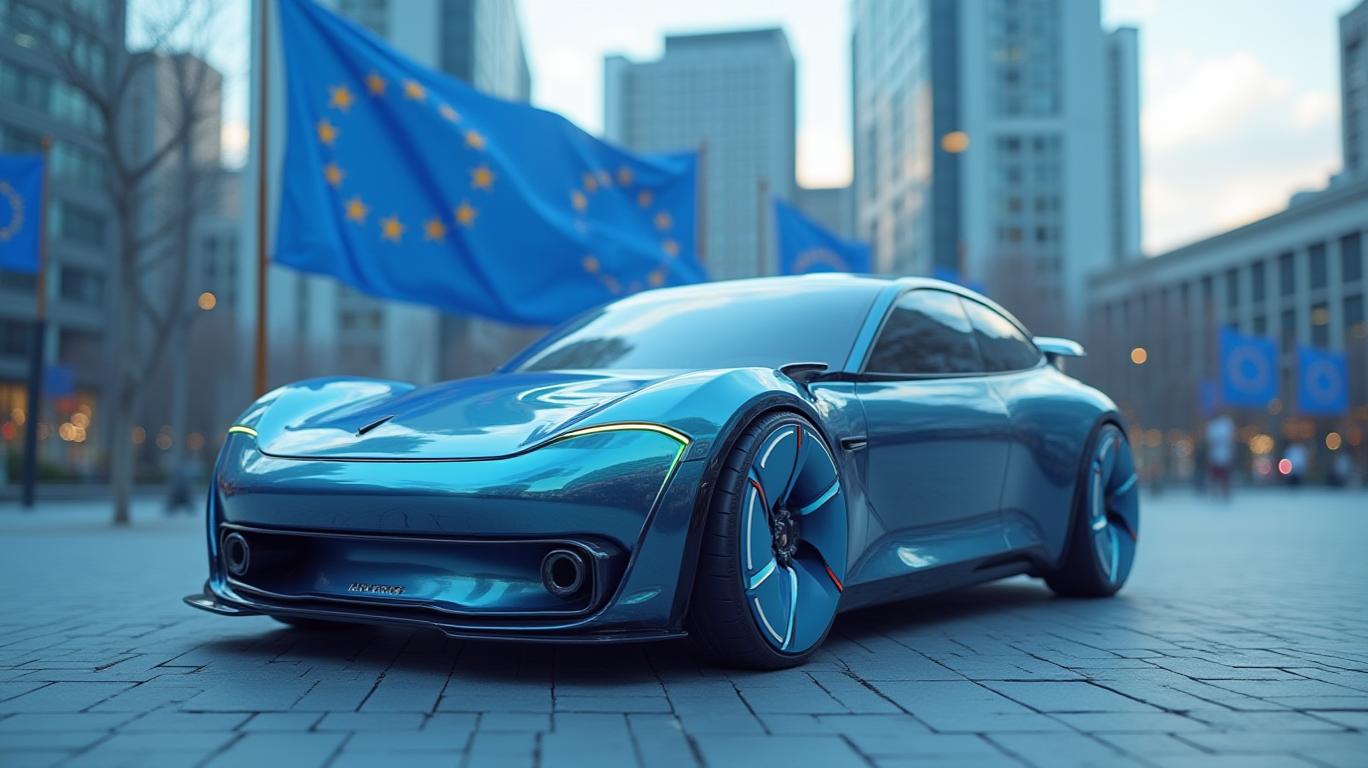
The EU's plan to boost EV demand involves harmonizing existing national subsidies, which vary widely across member states. This harmonization will provide a clear and consistent framework for automakers and consumers, making it easier for them to plan and invest in EV production and purchases. By encouraging cross-border EV sales and addressing market imbalances, the EU seeks to increase EV adoption and facilitate a more rapid transition to electric mobility.
In addition to boosting EV demand, the EU is also focusing on increasing local battery production. The EU has launched two new calls for proposals with a budget of €3.4 billion to accelerate the deployment of innovative decarbonisation technologies in Europe, including electric vehicles batteries. This includes a €1 billion call for electric vehicle battery cell manufacturing (IF24 Battery) to support projects that can produce innovative electric vehicles battery cells or deploy innovative manufacturing techniques, processes, and technologies.
The EU is also introducing new resilience criteria to protect Europe against dependency on a single supplier. These criteria will be included in the batteries call and hydrogen bank auction, ensuring that European battery manufacturers can compete with their Chinese counterparts without relying on a single source of supply.
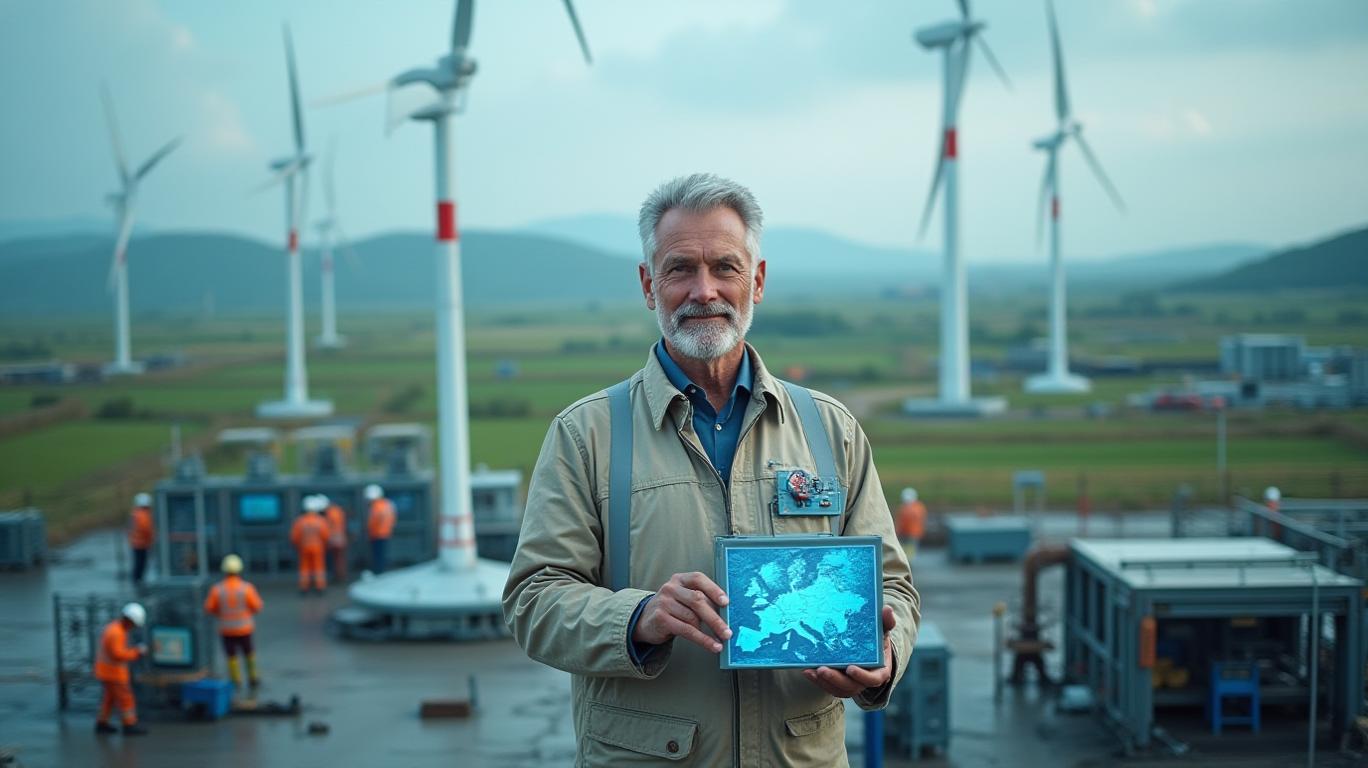
The EU's push for more local batteries will significantly influence the global supply chain of battery materials and components. This initiative presents opportunities for European companies, such as investment in European battery production, strengthening the European battery value chain, and innovation and technology leadership. However, it also poses challenges, including competition with established players, securing a stable and cost-effective supply of raw materials, and navigating regulatory and trade barriers.
In conclusion, the EU's proposal to boost EV demand and increase local battery production is a crucial step in accelerating the transition to a low-carbon economy. By harmonizing incentives and fostering local battery production, the EU seeks to enhance its competitiveness in the global EV market and reduce dependence on foreign suppliers. As European companies adapt and innovate, they can capitalize on the opportunities presented by this initiative and overcome the challenges they face in the global battery market.



Divulgación editorial y transparencia de la IA: Ainvest News utiliza tecnología avanzada de Modelos de Lenguaje Largo (LLM) para sintetizar y analizar datos de mercado en tiempo real. Para garantizar los más altos estándares de integridad, cada artículo se somete a un riguroso proceso de verificación con participación humana.
Mientras la IA asiste en el procesamiento de datos y la redacción inicial, un miembro editorial profesional de Ainvest revisa, verifica y aprueba de forma independiente todo el contenido para garantizar su precisión y cumplimiento con los estándares editoriales de Ainvest Fintech Inc. Esta supervisión humana está diseñada para mitigar las alucinaciones de la IA y garantizar el contexto financiero.
Advertencia sobre inversiones: Este contenido se proporciona únicamente con fines informativos y no constituye asesoramiento profesional de inversión, legal o financiero. Los mercados conllevan riesgos inherentes. Se recomienda a los usuarios que realicen una investigación independiente o consulten a un asesor financiero certificado antes de tomar cualquier decisión. Ainvest Fintech Inc. se exime de toda responsabilidad por las acciones tomadas con base en esta información. ¿Encontró un error? Reportar un problema




Comentarios
Aún no hay comentarios