
EU Energy Crossroads: Sanctions, Slovakia, and the Path to Diversification
The European Union's fractured energy policy has reached a critical juncture. Slovakia's recent threat to block new Russia sanctions unless Ukrainian gas transit is secured underscores a glaring vulnerability: reliance on Russian energy remains a geopolitical Achilles' heel. For investors, this stalemate signals an opportunity to capitalize on companies positioned to accelerate Europe's energy transition—and mitigate risks as geopolitical tensions escalate.
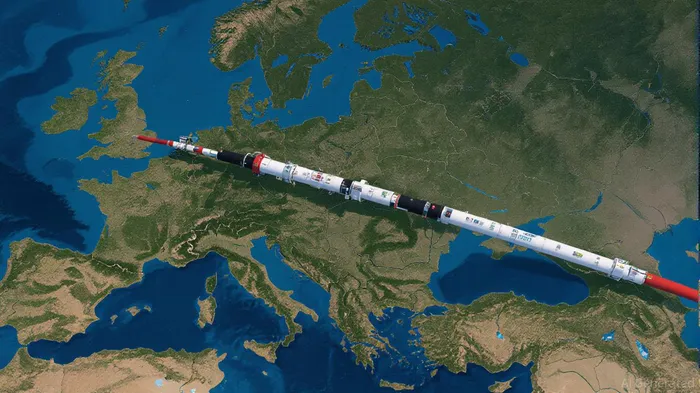
The Slovak Standoff and Its Implications
Slovakia's refusal to endorse EU sanctions unless a Ukrainian gas transit solution is guaranteed reveals two interlinked truths. First, Central and Eastern European nations remain disproportionately dependent on Russian gas, with Slovakia and Hungary still sourcing over 70% of their supply from Gazprom. Second, contractual obligations—such as “take-or-pay” clauses—have locked these countries into costly arrangements, even as the EU seeks to phase out Russian gas by 2027.
The expiration of Ukraine's transit contract in January 2025 has added urgency. Without a renewal, Slovakia faces a winter of shortages, while Gazprom's refusal to pay full transit fees in 2024 has deepened distrust. This standoff highlights a systemic flaw: the EU's energy security hinges on fragmented national interests, creating openings for Russia to exploit divisions.
Investment Opportunities in Energy Diversification
The Slovak crisis amplifies demand for three key areas:
1. LNG Infrastructure and Terminals: Companies enabling liquefied natural gas imports—such as Fluxys (FLUX.BRussels) in Belgium and Höegh LNG (HGL) in Norway—are critical to reducing reliance on Russian pipelines.
2. Gas Pipeline Alternatives: Firms like Wintershall Dea (WDC.Germany) and EquinorEQNR-- (EQNR.O) are expanding projects like the Baltic Pipe, which aims to deliver Norwegian gas to Poland and Denmark.
3. Arbitration and Legal Services: Disputes over Gazprom's alleged underpayment of transit fees to Ukraine could fuel demand for international arbitration specialists like law firms CMS (CMS.London) or Freshfields (FWB: FRF).
Geopolitical Risk Mitigation in Equity Portfolios
Investors should prioritize firms with exposure to EU-funded energy projects. The European Commission's €1.2 trillion Green Deal and REPowerEU initiative earmark funds for LNG terminals, interconnectors, and hydrogen networks—sectors where early movers stand to profit.
Meanwhile, the Slovak crisis underscores the importance of diversifying energy supply chains. Firms like TotalEnergiesTTE-- (TTE.France) and ShellSHEL-- (SHEL) are expanding renewable partnerships and storage solutions, which could buffer against gas price volatility.
The Urgency of Action
The delay in the EU's gas phase-out plan—postponed for the second time in 2025—signals bureaucratic gridlock. Yet, the market is pricing in urgency: natural gas futures (NG) have surged 25% YTD amid fears of a winter supply crunch. Investors ignoring this shift risk exposure to energy-dependent equities, such as utilities or heavy industry, which face margin pressure as sanctions disrupt supply chains.
Conclusion: Capitalizing on the Crossroads
Slovakia's stance is a microcosm of Europe's energy dilemma: sanctions without viable alternatives risk economic chaos, while delay emboldens Russia. For investors, the path forward is clear—allocate capital to firms enabling diversification, from LNG infrastructure to legal dispute resolution. The window to profit from this transition is narrowing. As geopolitical tensions tighten, agility in identifying these sector-specific plays will separate winners from losers in European equities.





Comentarios
Aún no hay comentarios