
EU Eliminates Tariffs on U.S. Industrial Products in Trade Agreement
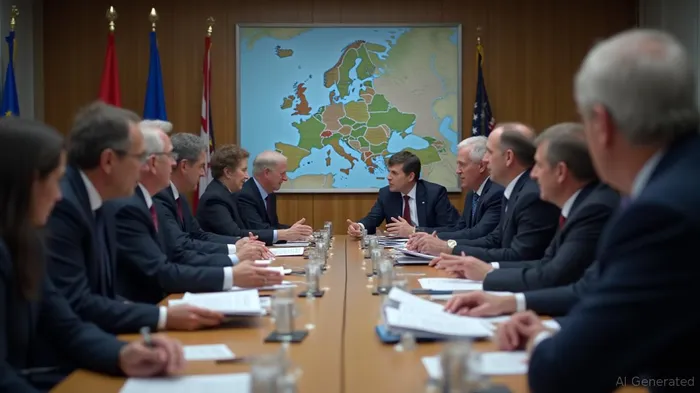
The European Commission has received a response from the United States regarding the joint statement on the trade agreement and is now in the process of reviewing it. The Commission will propose amendments to finalize the text, aiming to "complete the final micro-adjustments" and hopes to finalize the text soon. The spokesperson for the European Commission, Gill, has stated that the EU is not concerned about the possibility of U.S. President not signing the agreement to reduce tariffs on EU automobile imports. The EU is confident that the agreement will be finalized soon, as both sides are working towards a mutually beneficial outcome. The EU's approach to the negotiations has been characterized by a focus on achieving a balanced and fair agreement that addresses the concerns of both parties. The EU is committed to ensuring that the final text reflects the agreed-upon terms and conditions, and is working diligently to finalize the details. The EU's stance on the negotiations has been one of cooperation and diplomacy, with a clear goal of reaching a comprehensive and equitable agreement. The EU is optimistic about the prospects for a successful conclusion to the negotiations and is confident that the final text will be agreed upon in the near future.
The trade agreement between the United States and the EU, announced on July 28, includes significant concessions from the EU. Unlike the U.S.-Japan agreement, the EU has agreed to eliminate tariffs on U.S. industrial products. This move indicates a shift in global trade dynamics, with power and influence taking precedence over international rules. The U.S. exports 3700 billion dollars worth of products to the EU annually, making it the largest export destination for the U.S., surpassing Canada and Mexico. Under this agreement, the EU will sequentially remove tariffs on U.S. industrial products, including a 10% tariff on automobiles. In return, the U.S. plans to impose a 15% reciprocal tariff on EU products, making this a favorable agreement for the U.S. This trend is not limited to the EU; other countries, such as Indonesia, the Philippines, and Vietnam, have also agreed to eliminate or reduce tariffs on U.S. products as part of their trade negotiations with the U.S. Among the six countries and regions that have reached trade agreements with the U.S., only Japan and the UK have not agreed to reduce or eliminate tariffs on U.S. products. The EU's decision to eliminate tariffs on U.S. industrial products is a significant concession, reflecting the shifting dynamics of global trade and the increasing influence of the U.S. in international trade negotiations. The EU's approach to the negotiations has been characterized by a focus on achieving a balanced and fair agreement that addresses the concerns of both parties. The EU is committed to ensuring that the final text reflects the agreed-upon terms and conditions, and is working diligently to finalize the details. The EU's stance on the negotiations has been one of cooperation and diplomacy, with a clear goal of reaching a comprehensive and equitable agreement. The EU is optimistic about the prospects for a successful conclusion to the negotiations and is confident that the final text will be agreed upon in the near future.







Comentarios
Aún no hay comentarios