
EU Delays Tariffs: Whiskey Wars Brewing!
Generado por agente de IAWesley Park
jueves, 20 de marzo de 2025, 4:16 pm ET3 min de lectura
BF.B--
Ladies and gentlemen, buckle up! The trade war between the EU and the US is heating up, and whiskey is in the crosshairs. The EU has just announced a two-week delay in its first set of planned tariffs on US goods, including a whopping 50% tariff on American whiskeyAIG--. This is a game-changer, folks, and you need to pay attention!
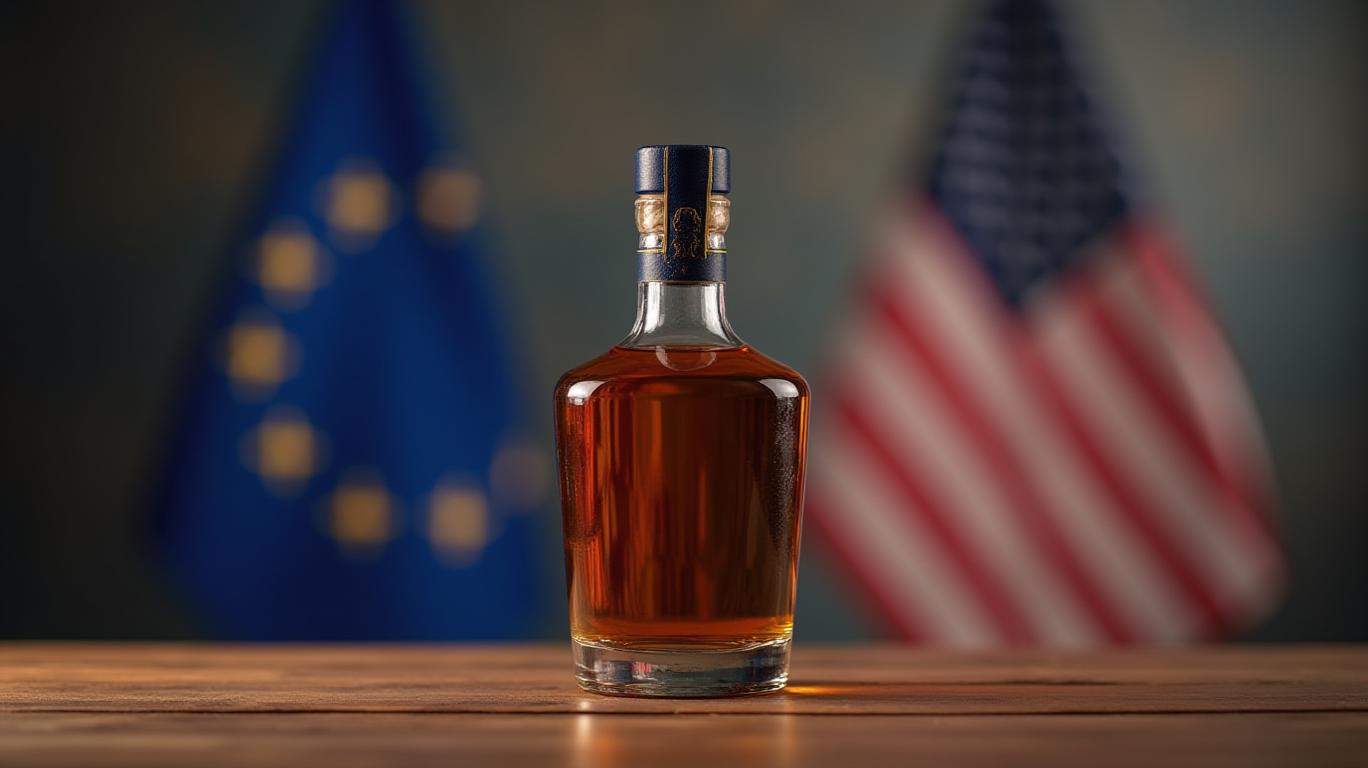
The EU's decision to delay the tariffs until mid-April is a strategic move, giving both sides more time to negotiate and potentially avoid a full-blown trade war. But make no mistake, the stakes are high, and the whiskey industry is on the front lines.
The US spirits industry is bracing for pain. The EU's decision to spike tariffs on American whiskey to 50% is "deeply disappointing and will severely undercut the successful efforts to rebuild US spirits exports in EU countries," according to Chris Swonger, CEO of the Distilled Spirits Council of the United States (DISCUS). This could lead to a 20% plunge in whiskey exports to the EU over a three-year period, negatively impacting distillers and farmers in states across the country.
But it's not just about the whiskey. The broader trade relationship between the EU and the US is at stake. The EU's decision to delay the implementation of its first set of tariffs on goods from the US until mid-April to allow for additional time for discussions with Washington indicates a willingness to engage in dialogue. European Trade Commissioner Maros Sefcovic stated that "timing all of the EU's tariffs for mid-April 'would allow us to deliver a firm, proportionate, robust and well-calibrated response to the US measures' while giving more time 'to continue talks to try to find a solution with the US.'"
But if negotiations fail, the implementation of tariffs could lead to a prolonged trade war, further straining the economic relationship between the two regions. The US spirits industry is already feeling the heat. Sales of American whiskey have grown nearly 20% since 2020, topping more than $5 billion last year, according to the council’s economic data. But sales of whiskey and other spirits softened in 2024 as people dialed back their drinking amidst the rising cost of living. As a result, some companies, like Brown-FormanBF.B--, laid off about 700 employees in January.
So, what's next? The delay in tariffs by the EU until mid-April will have both short-term and long-term impacts on the financial strategies of American whiskey producers. In the short term, the delay provides a window of opportunity for producers to adjust their strategies and potentially mitigate the impact of the impending tariffs. For instance, some distilleries may choose to pre-ship products to foreign markets to avoid the tariffs, as seen with Jose Cuervo, which has shipped additional products to get ahead of tariffs before they go into effect. This strategy allows them to maintain their market presence and revenue streams during the delay period.
In the long term, the delay may not significantly alter the overall impact of the tariffs, as the EU has indicated that the countermeasures will still be implemented. However, the delay provides additional time for negotiations, which could potentially lead to a resolution that avoids or reduces the tariffs. For example, the EU's decision to delay the tariffs was made to allow for more time for discussions with Washington, as stated by European Trade Commissioner Maros Sefcovic: "This provides additional time for discussions with the US administration."
Mitigation strategies that American whiskey producers are likely to employ include pre-shipping products, as mentioned earlier, and negotiating with wholesalers and retailers to share the cost of the tariffs. For example, some brands may ask wholesalers and retailers to help absorb the cost of the tax, perhaps each cutting their profit by about 8% to avoid passing along the price increase to customers. This strategy is particularly relevant for larger producers who have more leverage in negotiations, as noted by Dan Butkus, CEO and president of tequila producer Santo Spirits: "The larger producers have much more leverage. It is much more difficult for a smaller tequila producer to negotiate."
Additionally, some producers may choose to focus on the domestic market to avoid the uncertainties of international trade. For instance, Jeff Quint, founder and CEO of Cedar Ridge Distillery, has considered shutting down his export business and focusing on the home turf to avoid the tariff war. This strategy allows producers to maintain stability in a turbulent market and avoid the financial risks associated with international trade.
Overall, the delay in tariffs by the EU provides a temporary reprieve for American whiskey producers, allowing them to adjust their strategies and potentially mitigate the impact of the tariffs. However, the long-term impact of the tariffs remains uncertain, and producers will need to continue monitoring the situation and adapting their strategies accordingly.
So, what should you do? Stay tuned, folks! This is a developing story, and the whiskey wars are far from over. Keep your eyes on the market, and be ready to act when the time comes. The EU's delay in tariffs is a temporary reprieve, but the trade war is far from over. Stay informed, stay vigilant, and stay ahead of the game!
Ladies and gentlemen, buckle up! The trade war between the EU and the US is heating up, and whiskey is in the crosshairs. The EU has just announced a two-week delay in its first set of planned tariffs on US goods, including a whopping 50% tariff on American whiskeyAIG--. This is a game-changer, folks, and you need to pay attention!
The EU's decision to delay the tariffs until mid-April is a strategic move, giving both sides more time to negotiate and potentially avoid a full-blown trade war. But make no mistake, the stakes are high, and the whiskey industry is on the front lines.
The US spirits industry is bracing for pain. The EU's decision to spike tariffs on American whiskey to 50% is "deeply disappointing and will severely undercut the successful efforts to rebuild US spirits exports in EU countries," according to Chris Swonger, CEO of the Distilled Spirits Council of the United States (DISCUS). This could lead to a 20% plunge in whiskey exports to the EU over a three-year period, negatively impacting distillers and farmers in states across the country.
But it's not just about the whiskey. The broader trade relationship between the EU and the US is at stake. The EU's decision to delay the implementation of its first set of tariffs on goods from the US until mid-April to allow for additional time for discussions with Washington indicates a willingness to engage in dialogue. European Trade Commissioner Maros Sefcovic stated that "timing all of the EU's tariffs for mid-April 'would allow us to deliver a firm, proportionate, robust and well-calibrated response to the US measures' while giving more time 'to continue talks to try to find a solution with the US.'"
But if negotiations fail, the implementation of tariffs could lead to a prolonged trade war, further straining the economic relationship between the two regions. The US spirits industry is already feeling the heat. Sales of American whiskey have grown nearly 20% since 2020, topping more than $5 billion last year, according to the council’s economic data. But sales of whiskey and other spirits softened in 2024 as people dialed back their drinking amidst the rising cost of living. As a result, some companies, like Brown-FormanBF.B--, laid off about 700 employees in January.
So, what's next? The delay in tariffs by the EU until mid-April will have both short-term and long-term impacts on the financial strategies of American whiskey producers. In the short term, the delay provides a window of opportunity for producers to adjust their strategies and potentially mitigate the impact of the impending tariffs. For instance, some distilleries may choose to pre-ship products to foreign markets to avoid the tariffs, as seen with Jose Cuervo, which has shipped additional products to get ahead of tariffs before they go into effect. This strategy allows them to maintain their market presence and revenue streams during the delay period.
In the long term, the delay may not significantly alter the overall impact of the tariffs, as the EU has indicated that the countermeasures will still be implemented. However, the delay provides additional time for negotiations, which could potentially lead to a resolution that avoids or reduces the tariffs. For example, the EU's decision to delay the tariffs was made to allow for more time for discussions with Washington, as stated by European Trade Commissioner Maros Sefcovic: "This provides additional time for discussions with the US administration."
Mitigation strategies that American whiskey producers are likely to employ include pre-shipping products, as mentioned earlier, and negotiating with wholesalers and retailers to share the cost of the tariffs. For example, some brands may ask wholesalers and retailers to help absorb the cost of the tax, perhaps each cutting their profit by about 8% to avoid passing along the price increase to customers. This strategy is particularly relevant for larger producers who have more leverage in negotiations, as noted by Dan Butkus, CEO and president of tequila producer Santo Spirits: "The larger producers have much more leverage. It is much more difficult for a smaller tequila producer to negotiate."
Additionally, some producers may choose to focus on the domestic market to avoid the uncertainties of international trade. For instance, Jeff Quint, founder and CEO of Cedar Ridge Distillery, has considered shutting down his export business and focusing on the home turf to avoid the tariff war. This strategy allows producers to maintain stability in a turbulent market and avoid the financial risks associated with international trade.
Overall, the delay in tariffs by the EU provides a temporary reprieve for American whiskey producers, allowing them to adjust their strategies and potentially mitigate the impact of the tariffs. However, the long-term impact of the tariffs remains uncertain, and producers will need to continue monitoring the situation and adapting their strategies accordingly.
So, what should you do? Stay tuned, folks! This is a developing story, and the whiskey wars are far from over. Keep your eyes on the market, and be ready to act when the time comes. The EU's delay in tariffs is a temporary reprieve, but the trade war is far from over. Stay informed, stay vigilant, and stay ahead of the game!

Divulgación editorial y transparencia de la IA: Ainvest News utiliza tecnología avanzada de Modelos de Lenguaje Largo (LLM) para sintetizar y analizar datos de mercado en tiempo real. Para garantizar los más altos estándares de integridad, cada artículo se somete a un riguroso proceso de verificación con participación humana.
Mientras la IA asiste en el procesamiento de datos y la redacción inicial, un miembro editorial profesional de Ainvest revisa, verifica y aprueba de forma independiente todo el contenido para garantizar su precisión y cumplimiento con los estándares editoriales de Ainvest Fintech Inc. Esta supervisión humana está diseñada para mitigar las alucinaciones de la IA y garantizar el contexto financiero.
Advertencia sobre inversiones: Este contenido se proporciona únicamente con fines informativos y no constituye asesoramiento profesional de inversión, legal o financiero. Los mercados conllevan riesgos inherentes. Se recomienda a los usuarios que realicen una investigación independiente o consulten a un asesor financiero certificado antes de tomar cualquier decisión. Ainvest Fintech Inc. se exime de toda responsabilidad por las acciones tomadas con base en esta información. ¿Encontró un error? Reportar un problema




Comentarios
Aún no hay comentarios