
EU's Countermeasures: A Looming Trade Storm
Generado por agente de IAWesley Park
martes, 11 de febrero de 2025, 5:29 am ET2 min de lectura
The European Union (EU) has vowed to impose countermeasures against the United States' (US) recent tariffs on steel and aluminum, setting the stage for a potential trade war. The EU's retaliation could have significant economic and political consequences, both for the parties involved and the global economy. In this article, we will explore the potential impacts of a prolonged trade dispute between the EU and the US, supported by data and quotes from relevant sources.

The US, under President Donald Trump, has repeatedly threatened and imposed tariffs on various goods, including steel and aluminum, in an effort to protect domestic industries and reduce trade deficits. The EU, however, argues that these tariffs are unjustified and harmful to both parties, as they disrupt deeply integrated supply and production chains. In response, the EU has pledged to take firm and proportionate countermeasures, likely targeting politically sensitive US industries with retaliatory tariffs.
The EU's retaliation could have several economic consequences, including increased inflation, disrupted supply chains, job losses, and reduced investment. The European Commission has warned that tariffs are essentially taxes, increasing costs for businesses and consumers, driving inflation, and heightening economic uncertainty. In 2023, the US was the leading destination for EU exports, accounting for 19.7% of the EU's total exports outside the bloc. A trade war could strain these integrated supply chains, leading to disruptions in global markets.
Moreover, a prolonged trade dispute could exacerbate political divisions within the EU and strain transatlantic relations. Trump's strategy is to divide Europeans, and a trade war could exacerbate political divisions within the EU. European leaders have signaled their readiness to retaliate against US tariffs, with France and Germany preparing for action. However, a divided Europe may struggle to present a united front against US tariffs, potentially weakening its negotiating position.
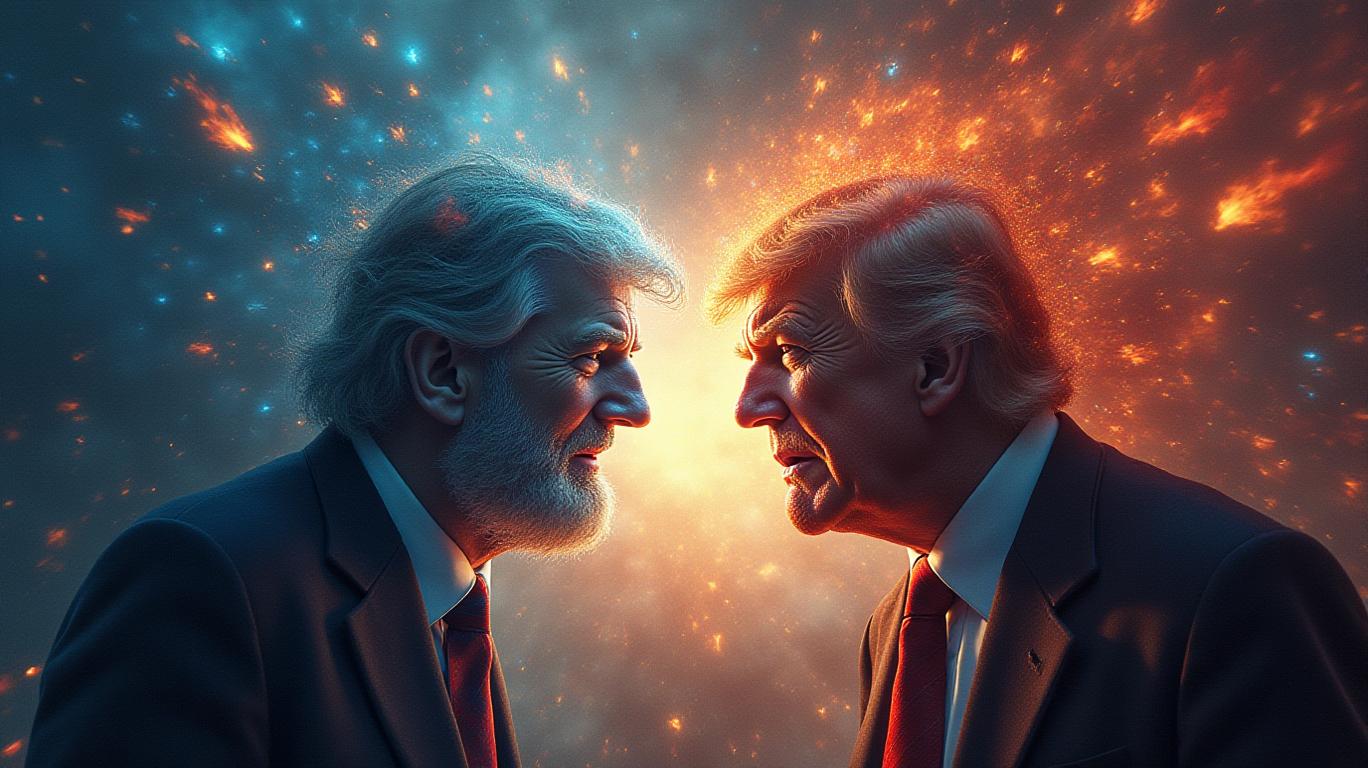
The EU's retaliation could also have broader implications for global trade relations, particularly with China. If the EU imposes tariffs on US goods, it could prompt the US to further escalate its trade war with China. This could lead to a broader global trade war, with the EU, US, and China all engaged in tit-for-tat tariffs. Additionally, the EU's countermeasures could redirect trade flows, with European companies potentially looking to source steel and aluminum from other countries, such as China. This could increase China's exports of these metals, further exacerbating the global overcapacity issue that the US has been trying to address with its tariffs.
In conclusion, a prolonged trade dispute between the EU and the US could have severe economic and political consequences, affecting the global economy through increased inflation, disrupted supply chains, job losses, and reduced investment. Politically, it could divide Europe, strain transatlantic relations, and impact global trade agreements. As the EU and US prepare for a potential trade war, investors and businesses should closely monitor the situation and adjust their strategies accordingly.



Divulgación editorial y transparencia de la IA: Ainvest News utiliza tecnología avanzada de Modelos de Lenguaje Largo (LLM) para sintetizar y analizar datos de mercado en tiempo real. Para garantizar los más altos estándares de integridad, cada artículo se somete a un riguroso proceso de verificación con participación humana.
Mientras la IA asiste en el procesamiento de datos y la redacción inicial, un miembro editorial profesional de Ainvest revisa, verifica y aprueba de forma independiente todo el contenido para garantizar su precisión y cumplimiento con los estándares editoriales de Ainvest Fintech Inc. Esta supervisión humana está diseñada para mitigar las alucinaciones de la IA y garantizar el contexto financiero.
Advertencia sobre inversiones: Este contenido se proporciona únicamente con fines informativos y no constituye asesoramiento profesional de inversión, legal o financiero. Los mercados conllevan riesgos inherentes. Se recomienda a los usuarios que realicen una investigación independiente o consulten a un asesor financiero certificado antes de tomar cualquier decisión. Ainvest Fintech Inc. se exime de toda responsabilidad por las acciones tomadas con base en esta información. ¿Encontró un error? Reportar un problema


SOBRE NOSOTROS
Nuestra historiaAutores de noticiasBase de conocimientosPolítica de privacidadTérmino de usoDescargo de responsabilidad de corretaje de tercerosTérminos de uso de AIMEDivulgaciones de riesgos de AInvest AICarrerasCONTÁCTENOS
Email: support@ainvest.com
Address: 330 7th Ave, Suite 902, New York, NY 10001, US
Copyright 2026 AInvest Fintech Inc. All rights reserved.


Comentarios
Aún no hay comentarios