
EU, China Near EV Tariff Deal: A Boon for Green Transition
Generado por agente de IAWesley Park
viernes, 22 de noviembre de 2024, 3:09 pm ET2 min de lectura
The European Union (EU) and China are inching closer to an agreement on electric vehicle (EV) import tariffs, according to a leading Member of the European Parliament (MEP). This breakthrough could have significant implications for the global EV market and the ongoing green transition. Let's delve into the details and analyze the potential impacts of this deal.
The EU recently concluded its anti-subsidy investigation into Chinese EVs, imposing provisional tariffs ranging from 17.4% to 38.1%. However, both sides have engaged in constructive discussions, aiming to reach a mutually acceptable solution that prevents further escalation of trade tensions. The proposed agreement involves a price undertaking arrangement, with China agreeing to a mutually acceptable export price and volume for its EVs in exchange for the EU refraining from imposing additional tariffs.
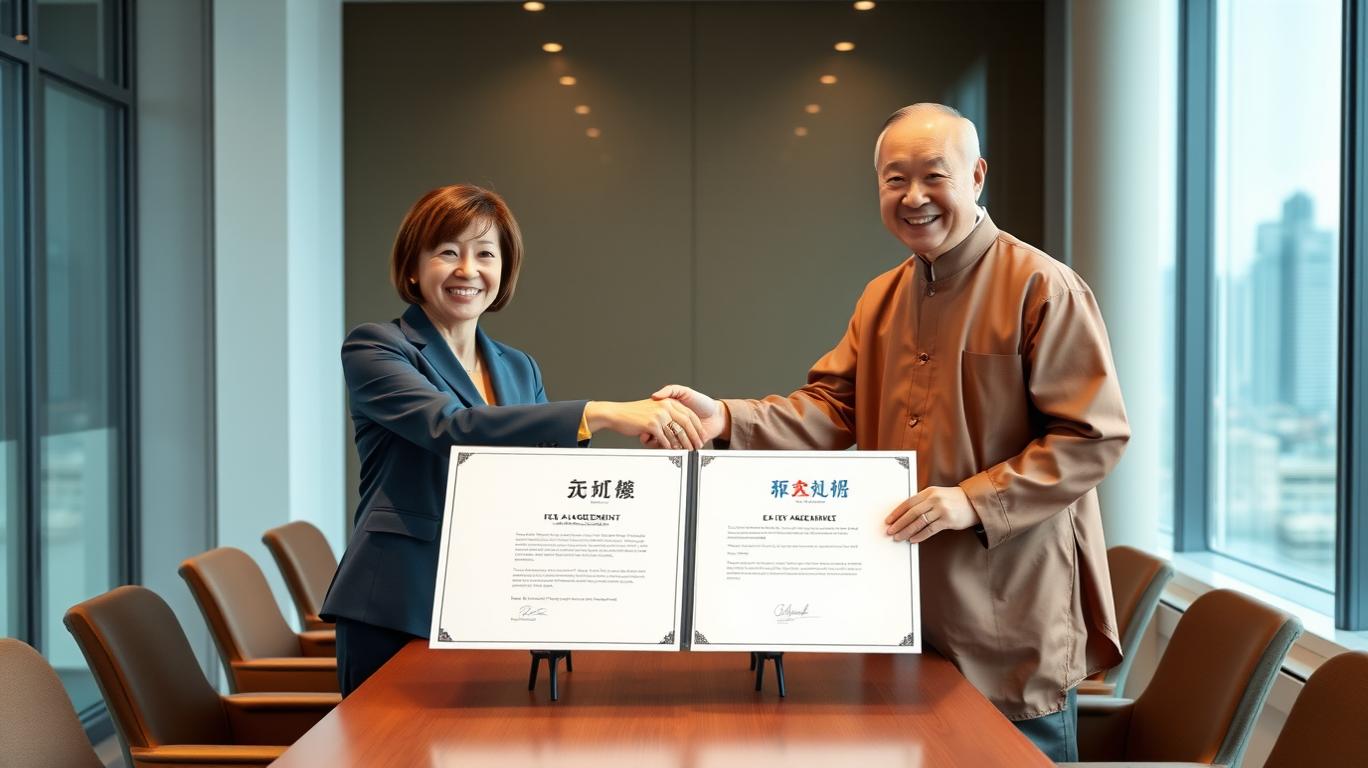
This potential agreement could enhance the competitiveness of Chinese EVs in the EU market, while also fostering a level playing field for European automakers. By establishing a minimum import price and volume for Chinese EVs, both parties can address concerns about alleged subsidies distorting the market. This arrangement would support the green transition goals of both economic powerhouses, as China's EV exports to Europe play a crucial role in the EU's push towards sustainability.
To ensure the success of this agreement, both parties must establish robust monitoring and enforcement mechanisms. Regular reporting by Chinese EV producers on export volumes and prices, along with independent verification, will be essential. Enforcement measures could involve penalties for non-compliance, such as additional tariffs or other trade sanctions.
The agreement could have significant implications for EU-based EV manufacturers. While a level playing field could lead to increased competition, it may also drive European companies to invest more in R&D and innovation, potentially driving technological advancements in the EV sector. However, the EU should avoid separate negotiations with automakers during the talks with the China Chamber of Commerce for Import and Export of Machinery and Electronic Products, as this could undermine mutual trust and disrupt the overall negotiation process.
As experienced investors, we should keep a close eye on the developments in the EU-China EV tariff talks. This agreement could present new opportunities in the EV sector, both for established companies and innovative startups. By understanding the dynamics at play and the potential impacts of this deal, we can make informed investment decisions and capitalize on the ongoing green transition.
In conclusion, the EU and China are nearing an agreement on EV import tariffs, which could have significant implications for the global EV market and the green transition. By fostering a level playing field and addressing concerns about alleged subsidies, this agreement could support the growth of the EV sector and promote sustainable development. As investors, we should monitor these developments and consider the potential investment opportunities that may arise from this agreement.
The EU recently concluded its anti-subsidy investigation into Chinese EVs, imposing provisional tariffs ranging from 17.4% to 38.1%. However, both sides have engaged in constructive discussions, aiming to reach a mutually acceptable solution that prevents further escalation of trade tensions. The proposed agreement involves a price undertaking arrangement, with China agreeing to a mutually acceptable export price and volume for its EVs in exchange for the EU refraining from imposing additional tariffs.
This potential agreement could enhance the competitiveness of Chinese EVs in the EU market, while also fostering a level playing field for European automakers. By establishing a minimum import price and volume for Chinese EVs, both parties can address concerns about alleged subsidies distorting the market. This arrangement would support the green transition goals of both economic powerhouses, as China's EV exports to Europe play a crucial role in the EU's push towards sustainability.
To ensure the success of this agreement, both parties must establish robust monitoring and enforcement mechanisms. Regular reporting by Chinese EV producers on export volumes and prices, along with independent verification, will be essential. Enforcement measures could involve penalties for non-compliance, such as additional tariffs or other trade sanctions.
The agreement could have significant implications for EU-based EV manufacturers. While a level playing field could lead to increased competition, it may also drive European companies to invest more in R&D and innovation, potentially driving technological advancements in the EV sector. However, the EU should avoid separate negotiations with automakers during the talks with the China Chamber of Commerce for Import and Export of Machinery and Electronic Products, as this could undermine mutual trust and disrupt the overall negotiation process.
As experienced investors, we should keep a close eye on the developments in the EU-China EV tariff talks. This agreement could present new opportunities in the EV sector, both for established companies and innovative startups. By understanding the dynamics at play and the potential impacts of this deal, we can make informed investment decisions and capitalize on the ongoing green transition.
In conclusion, the EU and China are nearing an agreement on EV import tariffs, which could have significant implications for the global EV market and the green transition. By fostering a level playing field and addressing concerns about alleged subsidies, this agreement could support the growth of the EV sector and promote sustainable development. As investors, we should monitor these developments and consider the potential investment opportunities that may arise from this agreement.



Divulgación editorial y transparencia de la IA: Ainvest News utiliza tecnología avanzada de Modelos de Lenguaje Largo (LLM) para sintetizar y analizar datos de mercado en tiempo real. Para garantizar los más altos estándares de integridad, cada artículo se somete a un riguroso proceso de verificación con participación humana.
Mientras la IA asiste en el procesamiento de datos y la redacción inicial, un miembro editorial profesional de Ainvest revisa, verifica y aprueba de forma independiente todo el contenido para garantizar su precisión y cumplimiento con los estándares editoriales de Ainvest Fintech Inc. Esta supervisión humana está diseñada para mitigar las alucinaciones de la IA y garantizar el contexto financiero.
Advertencia sobre inversiones: Este contenido se proporciona únicamente con fines informativos y no constituye asesoramiento profesional de inversión, legal o financiero. Los mercados conllevan riesgos inherentes. Se recomienda a los usuarios que realicen una investigación independiente o consulten a un asesor financiero certificado antes de tomar cualquier decisión. Ainvest Fintech Inc. se exime de toda responsabilidad por las acciones tomadas con base en esta información. ¿Encontró un error? Reportar un problema


SOBRE NOSOTROS
Nuestra historiaAutores de noticiasBase de conocimientosPolítica de privacidadTérmino de usoDescargo de responsabilidad de corretaje de tercerosTérminos de uso de AIMEDivulgaciones de riesgos de AInvest AICarrerasCONTÁCTENOS
Email: support@ainvest.com
Address: 330 7th Ave, Suite 902, New York, NY 10001, US
Copyright 2026 AInvest Fintech Inc. All rights reserved.


Comentarios
Aún no hay comentarios