
Estée Lauder’s Stock Plunge Reflects Missed Merger Play as Puig Silence Overshadows Turnaround Bets
The market's high expectations for a Puig deal were not a sudden rumor but a logical conclusion drawn from the strategic fit. Puig's CEO, Marc Puig, has openly stated the company analyzes around 100 deals annually and has a history of selective acquisitions, curating its portfolio rather than aggregating brands. He even confirmed that when Kering considered selling its perfumery division, Puig was one of the two companies they talked to. This established a pattern: Puig is a strategic buyer, and Estée LauderEL--, with its own portfolio of prestige brands, was a natural target for a potential deal.
The market's anticipation was fueled by Puig's recent successful IPO and its portfolio of niche, high-growth brands. Unlike larger competitors, Puig's brands are often far from maturity, offering significant international expansion potential. This made a deal with Estée Lauder a logical strategic move to accelerate growth. The setup created a clear "rumor" that was already priced in-investors were betting on a selective, value-creating acquisition that would bolster Puig's position and provide a catalyst for Estée Lauder's stock.
This expectation gap is key. The market wasn't just hoping for a deal; it was pricing in the potential benefits of a strategic fit. When the deal didn't materialize, the stock's drop wasn't just about the absence of a merger. It was a "sell the news" reaction, where the reality failed to meet the high bar set by the whisper number. The expectation had been that Puig would act, and its inaction reset those expectations downward.
The Reality Check: Denial and the Guidance Reset
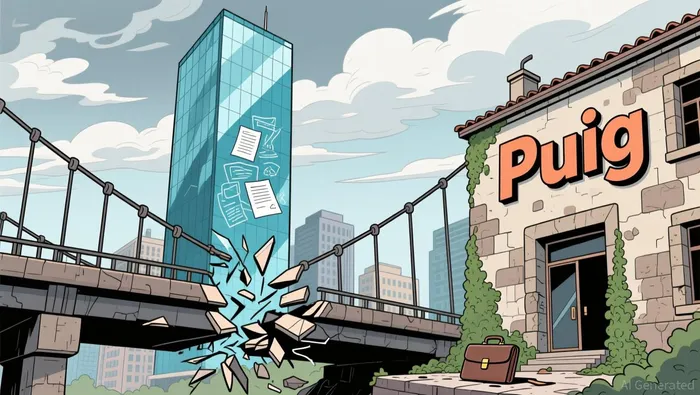
The market's high expectations for a Puig deal were not just a rumor; they were a priced-in catalyst. When that catalyst failed to materialize, the stock's plunge was a classic "sell the news" reaction. But the reality check came from within the company itself, delivering a guidance reset that overshadowed any M&A speculation.
Estée Lauder's actual news flow was a stark contrast to the merger fantasy. While the company did announce a new acquisition-its first since 2021-it was a modest, strategic buy of the Indian Ayurvedic brand Forest Essentials. This move signaled a focus on global expansion, not a blockbuster deal with Puig. More critically, the company's own financial guidance flagged significant headwinds. It estimated that tariff pressure would cost around US$100 million in profits this year, a direct hit to earnings. This was coupled with higher consumer-facing investments tied to its costly "Beauty Reimagined" transformation.
The expectation gap here is clear. Investors had priced in the potential upside of a strategic Puig deal. Instead, the company delivered a reality of rising costs and a guidance reset. Even though the company beat earnings and raised its full-year profit outlook, the raised target was not enough to offset concerns about these new pressures. The stock's 19.2% one-day drop shows that the market was looking for a catalyst to drive the stock higher, not a management team focused on navigating near-term headwinds.
The bottom line is that the lack of any official confirmation of merger talks created a vacuum filled by speculation. When the company's actual priorities-managing tariff costs and funding a major internal overhaul-were laid bare, they provided a sobering counter-narrative. The market had been betting on a value-creating external deal; the reality was a costly internal transformation, resetting expectations downward.
Catalysts and Risks: What to Watch for the Next Move
The expectation gap has now been set. The market's high bar for a Puig deal was reset by a guidance warning, but the stock's deep pessimism hinges on whether the company's internal turnaround can deliver. The key near-term catalyst is the resolution of tariff pressures and the company's ability to manage its investment spend without further margin dilution.
Investors should watch for sequential improvement in China sales, which grew 13% organically last quarter and could provide a growth anchor. More importantly, the execution of the "Beauty Reimagined" plan must validate the raised outlook. The company expects to expand operating margins for the first time in four years in fiscal 2026, even while funding its largest transformation. This requires the benefits from its Profit Recovery and Growth Plan to outweigh the $100 million in tariff-related headwinds and higher consumer-facing costs.
The major risk is that the stock's 58.77% five-year decline reflects a deep-seated skepticism that a single quarter's beat and raised guidance cannot easily overcome. The turnaround must deliver sustained growth and margin expansion to reset the valuation. If the company fails to show a clear path to the new profit targets, the expectation gap could widen further. The setup is now a test of execution against a backdrop of high internal costs and external trade friction.





Comentarios
Aún no hay comentarios