
Ericsson Navigates Volatility with 5G Momentum: A Resilient Play in Telecom's Evolution
The telecom sector’s shift to 5G infrastructure continues to reshape competitive dynamics, and Ericsson’s latest earnings report underscores its strategic agility in this transformative era. While macroeconomic headwinds and regional market volatility create uncertainty, the Swedish telecom giant demonstrated resilience through robust 5G adoption, operational discipline, and a focus on high-value partnerships. For investors, the quarter’s results highlight both near-term challenges and long-term opportunities in a sector where technological leadership is increasingly decisive.
Financial Resilience Amid Regional Divergence
Ericsson’s Q1 2025 results reflected a mixed but promising trajectory. While reported net sales rose 3% year-over-year (YoY) to SEK 55.0 billion, organic sales stagnated due to uneven regional performance. The Americas delivered strong growth, offsetting declines in Europe and Asia Pacific. This geographic split 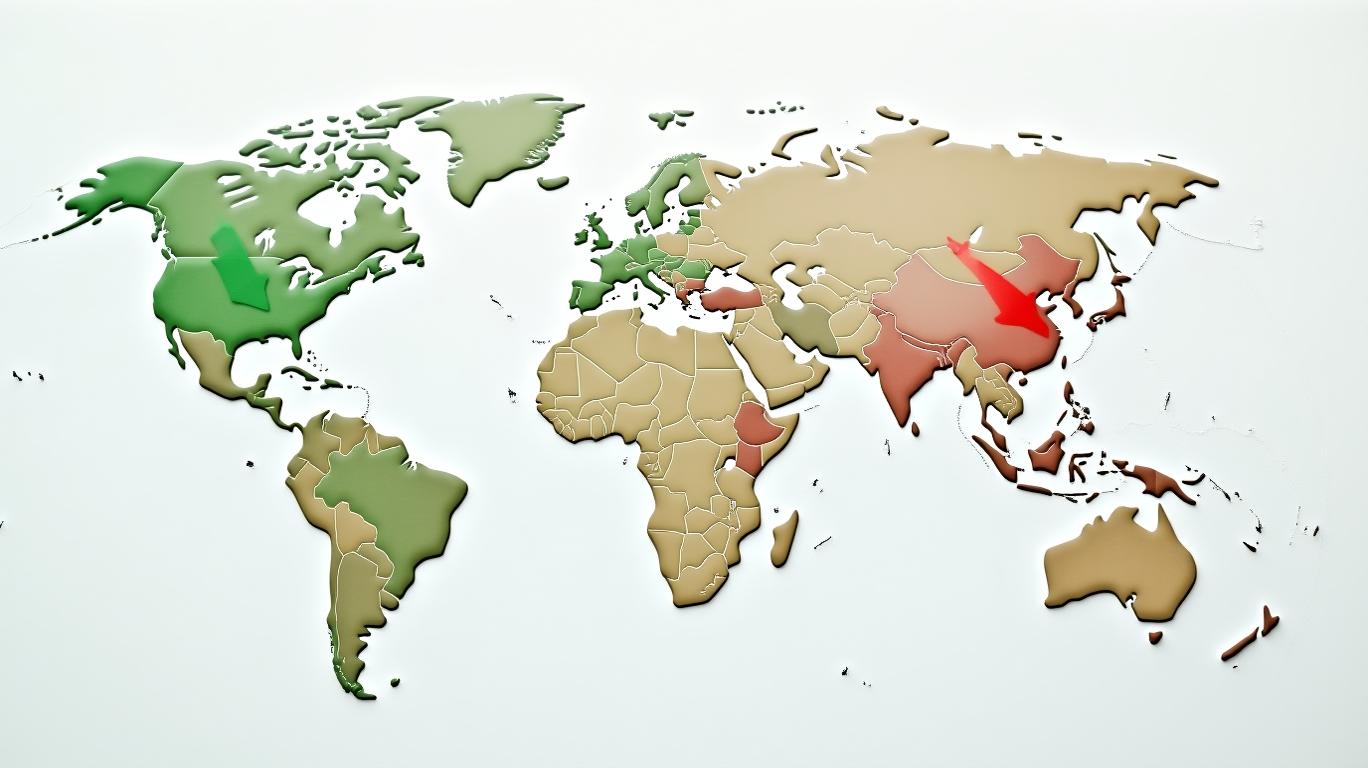 underscores the uneven pace of 5G investment globally, with North America leading in infrastructure modernization while other regions grapple with economic constraints.
Yet, profitability metrics shone brightly. Adjusted gross margin expanded to 48.5%, up 580 basis points from Q1 2024, driven by cost optimization and higher-margin 5G contracts. EBITA surged 36% YoY to SEK 6.7 billion, with a margin of 12.6%, marking Ericsson’s strongest performance since 2019. These gains signal effective execution of its strategy to prioritize high-value opportunities over low-margin projects.
5G as the Growth Engine
Ericsson’s leadership in 5G remains its core differentiator. The quarter’s highlights included:
1. Programmable Networks: The partnership with Telstra in Asia Pacific to deploy 5G Advanced technology represents a critical step toward software-defined networks, reducing latency and enhancing automation. Ericsson’s plan to launch 130 programmable radios by year-end positions it to capture demand for agile infrastructure.
2. Strategic Wins: Deals with MASMOVIL in Spain and Chunghwa Telecom in Taiwan reinforce Ericsson’s market share in mature and emerging markets. The private 5G network for Epiroc in Mexico’s mining sector expands its enterprise solutions footprint, a segment forecast to grow at 18% CAGR through 2030.
3. IP Gains: The U.S. ITC ruling against Lenovo/Motorola, coupled with the patent settlement, not only resolves legal risks but also opens avenues for licensing revenue. This win could offset near-term cash flow pressures.
Challenges on the Horizon
Despite strong margins, EricssonERIC-- faces headwinds. Free cash flow before M&A fell 26% YoY to SEK 2.7 billion, reflecting working capital pressures and investment in R&D. Sequential sales dropped 25% from Q4 2024, a typical seasonal dip but one that highlights reliance on cyclical capital spending. Geopolitical tensions—particularly in 5G supply chains—also loom large, with Ericsson navigating U.S.-China trade dynamics while maintaining market access in key regions.
CEO Perspective: Confidence in Operational Discipline
CEO Börje Ekholm framed the results as evidence of Ericsson’s “solid execution,” emphasizing margin improvements and a disciplined approach to cost management. He reiterated confidence in stabilizing the Enterprise segment, which has struggled with project delays and pricing pressures. The company’s balance sheet—strengthened by SEK 38.6 billion in net cash—provides a buffer against uncertainties, though shareholders may demand clearer visibility on cash flow stability.
Market Outlook: 5G’s Long Game
Ericsson’s stock surged 6.57% pre-earnings, reflecting investor optimism around its 5G pipeline and patent settlements. However, the broader telecom sector remains cautious, with 5G capex growth expected to moderate from double-digit rates as operators prioritize returns over rapid expansion.

Conclusion: A Strategic Bet on Telecom’s Future
Ericsson’s Q1 results paint a company at a crossroads: benefiting from 5G momentum but navigating macroeconomic and operational challenges. Its margin expansion and strategic partnerships validate its shift toward high-value segments, while its balance sheet provides resilience. For investors, the stock offers exposure to a critical technology transition, albeit with near-term volatility.
Key data points reinforce this thesis:
- EBITA margin expansion to 12.6% vs. 9.6% a year ago.
- 5G orders growing at a double-digit pace, with programmable networks driving differentiation.
- Net cash position of SEK 38.6 billion, mitigating liquidity risks.
While 2025 may see uneven growth, Ericsson’s focus on 5G leadership and operational rigor positions it to capitalize on the sector’s evolution. For investors seeking a play on telecom infrastructure, Ericsson’s mix of innovation and financial discipline makes it a compelling, albeit nuanced, choice.
In this era of digital transformation, Ericsson’s ability to blend technological foresight with financial pragmatism will determine its trajectory. The road ahead is bumpy, but the destination—5G ubiquity—remains clear.





Comentarios
Aún no hay comentarios