
ERCOT's RTC+B Market Reform and Its Impact on Energy Storage and Grid Stability
Market Design and Operational Overhaul
ERCOT's RTC+B program replaces the traditional Operating Reserve Demand Curve (ORDC) with Ancillary Service Demand Curves (ASDCs), enabling more precise valuation of grid support services such as frequency regulation and non-spin reserves. Batteries are now modeled as a single device with a state of charge (SoC), allowing them to bid directly in real-time markets and participate in dynamic, feasibility-based AS awards. This overhaul eliminates legacy constructs like SASMs and non-spin $75/MWh price floors, streamlining operations while introducing stricter SoC requirements and five-minute reassignment intervals for ESRs.
The reform also introduces the AS-Only Offer (ASOO) in the Day-Ahead Market, providing flexibility for qualified sellers to participate in AS markets without physical resources. These changes are expected to reduce manual interventions, mitigate congestion, and replace inefficient supplemental reserve markets, aligning with PUCT Project No. 48540's goals.
Energy Storage: A Double-Edged Sword
While RTC+B enhances grid flexibility, its impact on energy storage investment returns is complex. On one hand, the program's co-optimization framework could reduce wholesale energy costs by $2.5–$6.4 billion annually through improved resource utilization and lower volatility. Batteries, now recognized as dual-directional assets, may benefit from increased real-time revenue opportunities and reduced curtailment of renewable energy. 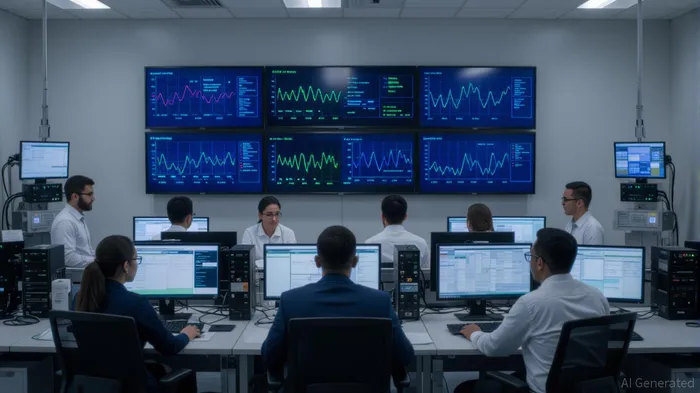
On the other hand, market saturation and declining ancillary service (AS) revenues have already eroded profitability. Average annual battery revenue in ERCOT plummeted from $149 per kilowatt in 2023 to $17 per kilowatt in 2025, with AS contributions dropping from 84% to 48% of battery energy storage system (BESS) revenue. Operators like Eolian have reported that the unpredictability of five-minute reassignments and SoC constraints has led some to withdraw from day-ahead AS markets altogether. Price spikes for non-spin reserves-three times higher on RTC+B's first day-highlight the risks of reduced competition and operational complexity.
Grid Stability and Long-Term Viability
Despite these challenges, RTC+B's integration of ESRs into real-time pricing mechanisms strengthens grid resilience. By enabling batteries to charge during low-demand periods and discharge during peaks, the system can better manage renewable intermittency and reduce reliance on natural gas generation. This is critical as ERCOT anticipates peak summer demand to reach 150 GW by 2030, with 50 GW from large-load interconnections.
Moreover, the AS Trade Overage Report, a new daily compliance tool, ensures transparency in market operations, mitigating settlement risks and fostering trust among participants. These stability measures are expected to support long-term infrastructure investments, particularly as Texas's grid faces increasing pressure from electrification trends in manufacturing and data centers as noted in recent reports.
Financial Projections and Investment Outlook
The Texas energy storage market, already the second-largest in the U.S. after California, is projected to grow significantly. Wood Mackenzie forecasts 93 GW of U.S. storage installations between 2025 and 2030, with Texas and California accounting for 82% of Q3 2025 utility-scale deployments. By mid-2025, ERCOT's installed BESS capacity reached 11 GW, with over 411 GW of proposed storage and generation capacity queued as of April 2025.
However, near-term ROI timelines for BESS remain uncertain. While the RTC+B program may lower total system costs, operators must adapt to tighter performance standards and sophisticated bidding strategies. Strategic site selection, energy arbitrage, and longer-duration systems are becoming essential for profitability. Ascend Analytics warns of a "weather-dependent knife's edge" scenario in the late 2020s, where rising demand and limited supply could drive price volatility but also create opportunities for agile operators.
Conclusion: Navigating the New Normal
ERCOT's RTC+B reform is a pivotal step toward a more efficient and resilient Texas grid. For investors, the path forward requires balancing the program's long-term benefits-such as reduced costs and enhanced reliability-with near-term challenges like market saturation and operational complexity. While declining AS revenues and regulatory scrutiny pose risks, the projected growth in storage capacity and ERCOT's evolving market design suggest a robust foundation for future investments.
As Texas continues to lead the U.S. energy storage boom, stakeholders must prioritize adaptability, leveraging advanced analytics and strategic partnerships to optimize asset performance. The RTC+B era is not without turbulence, but for those who navigate its intricacies, the rewards of a modernized grid and a thriving energy storage sector remain within reach.







Comentarios
Aún no hay comentarios