
ERCOT's RTC+B Market Reform: A Game-Changer for Energy Storage and PPA Economics
Battery Arbitrage in the RTC+B Era
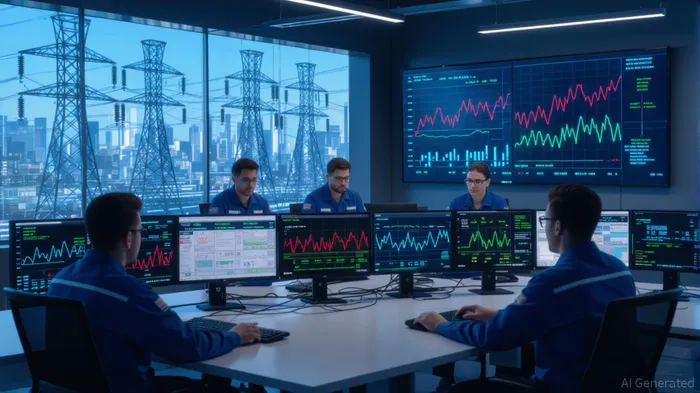 The RTC+B framework redefines how battery energy storage systems (BESS) operate within the grid. By modeling batteries as a single device with a state of charge (SoC), the reform enables dynamic toggling between energy and ancillary service roles. This eliminates the previous constraint where batteries were locked into day-ahead commitments for ancillary services, limiting their flexibility to respond to real-time price signals.
For arbitrage strategies, this means batteries can now capitalize on price differentials across energy and ancillary service markets simultaneously. According to Enverus, the replacement of the Operating Reserve Demand Curve (ORDC) with Ancillary Service Demand Curves (ASDCs) ensures that batteries earn revenue based on real-time scarcity pricing for services like frequency regulation and voltage support. This shift is expected to reduce operational complexity and volatility, but it also demands advanced forecasting tools to manage SoC constraints and redispatch events.
However, the reform introduces operational risks. Shorter duration limits for ancillary services and performance penalties for non-compliance could constrain revenue stacking opportunities. Investors must weigh these trade-offs against the potential for higher returns from real-time market participation.
PPA Economics and Long-Term Contracting
The RTC+B reform is also reshaping the economics of power purchase agreements (PPAs). By enhancing market efficiency, the reform is projected to reduce energy and scarcity prices, which could lower the long-term cost of renewable energy contracts. For developers, this creates a more stable pricing environment but may compress margins in a market where premium pricing for storage-linked PPAs was previously achievable.
A critical factor is the integration of BESS into PPA structures. With batteries now treated as unified assets, developers can design contracts that bundle energy and ancillary service revenues, improving the financial viability of storage projects. However, the reduced volatility in energy prices may diminish the value of storage's ability to arbitrage peak demand periods. Investors should prioritize projects with diversified revenue streams, leveraging both energy and ancillary service markets under the RTC+B framework.
Grid Reliability and Investment Implications
ERCOT's reform is a cornerstone for grid reliability as Texas transitions to a higher renewable energy mix. By enabling real-time co-optimization, the market can respond more swiftly to outages and demand fluctuations, reducing the need for costly emergency actions. For investors, this translates to lower systemic risks and a more predictable regulatory environment.
Yet, the complexity of managing SoC and redispatch events under RTC+B requires significant operational expertise. As noted by GridBeyond, storage operators without advanced optimization tools may struggle to maximize asset utilization. This creates a competitive advantage for firms with proprietary software and data analytics capabilities.
Strategic Recommendations for 2026
For 2026, investors should focus on three key areas:
1. Technology-Driven Storage Projects: Prioritize assets with AI-driven forecasting and SoC management systems to navigate the dynamic RTC+B environment.
2. Hybrid PPA Structures: Design contracts that integrate energy, ancillary services, and capacity payments to hedge against price compression according to market analysis.
3. Regulatory Engagement: Monitor ERCOT's implementation of ASDCs and SoC constraints, as iterative rule changes could further refine market dynamics.
The RTC+B reform is not without risks, but its potential to unlock billions in savings and enhance grid resilience makes it a transformative force for Texas energy markets. Investors who adapt swiftly to its nuances will be well-positioned to capitalize on the opportunities it creates.







Comentarios
Aún no hay comentarios